

Review: DJI Avata 360
By combining FPV agility with full 360-degree recording, DJI's newest drone is a system built less around traditional framing and more around creative freedom.
Instead of composing a single image, you’re collecting fragments of a scene to shape later. It’s a subtle shift, but a meaningful one and it places DJI firmly alongside emerging “shoot first, edit later” systems like the Antigravity A1.

Design and build
The Avata 360 retains the compact, ducted design of the Avata series, complete with integrated propeller guards and a solid, slightly heavier frame.
The dual fisheye lenses are the defining feature - always watching, always recording. They feel like two open eyes taking in everything at once.

But, they’re also exposed and I would imagine quite fragile. As with most 360 systems, lens protection becomes part of your workflow, especially when flying close or in tight environments.
Compared to the lighter Antigravity A1, DJI has opted for a more robust cinewhoop-style build. It feels safer in chaotic flight scenarios, but the trade-off is weight and regulatory complexity in some regions (around 455g).
The included carry bag deserves a mention. Everything locks into place perfectly, making it ideal for fast-moving shoots. DJI continues to absolutely nail this side of the ecosystem, these are still some of the best drone bags available.
Camera and image quality
Firstly, it’s important to note that the Avata 360 is not designed for photographers, it’s aimed at videographers. If you’re looking for a drone for stills then there’s plenty of other options available.

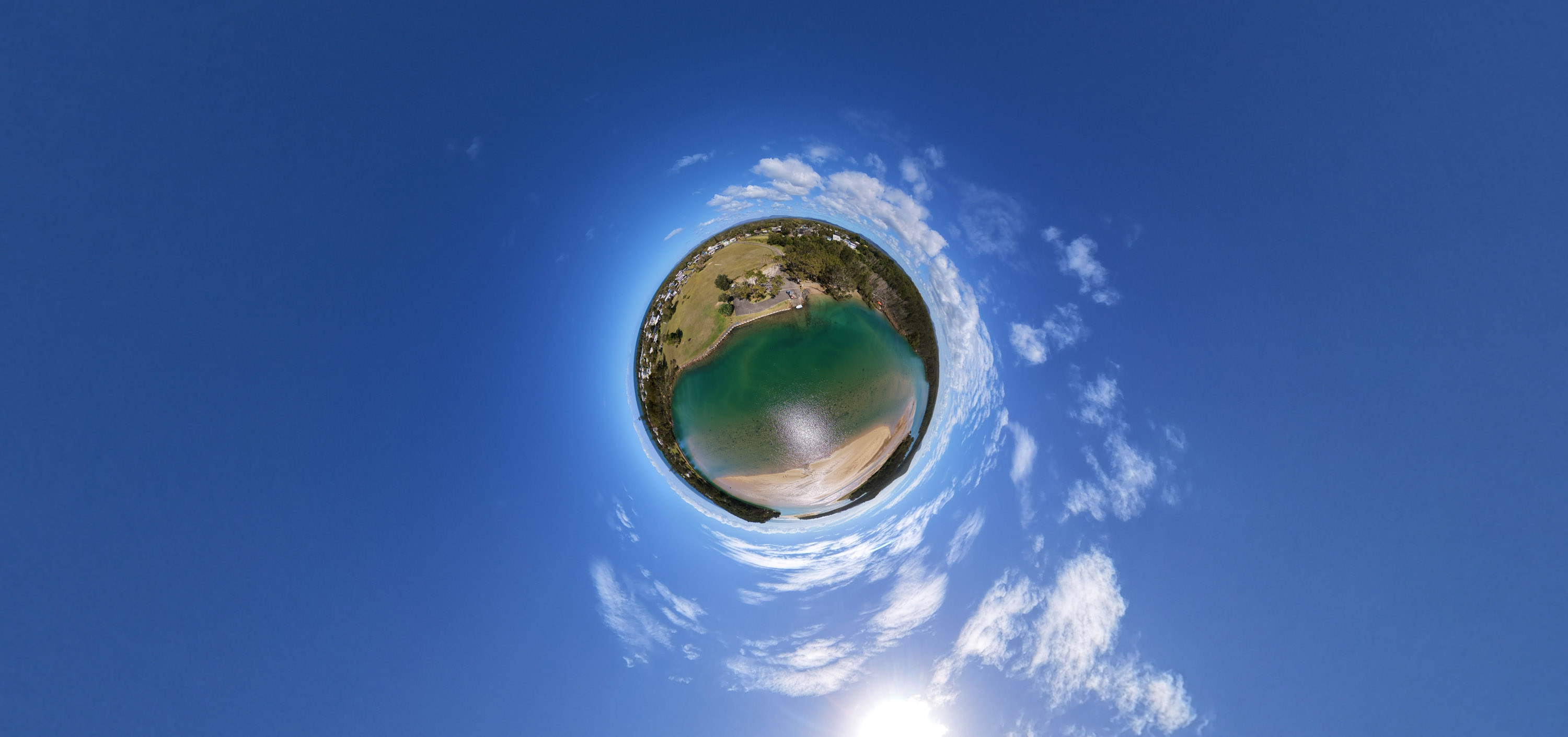
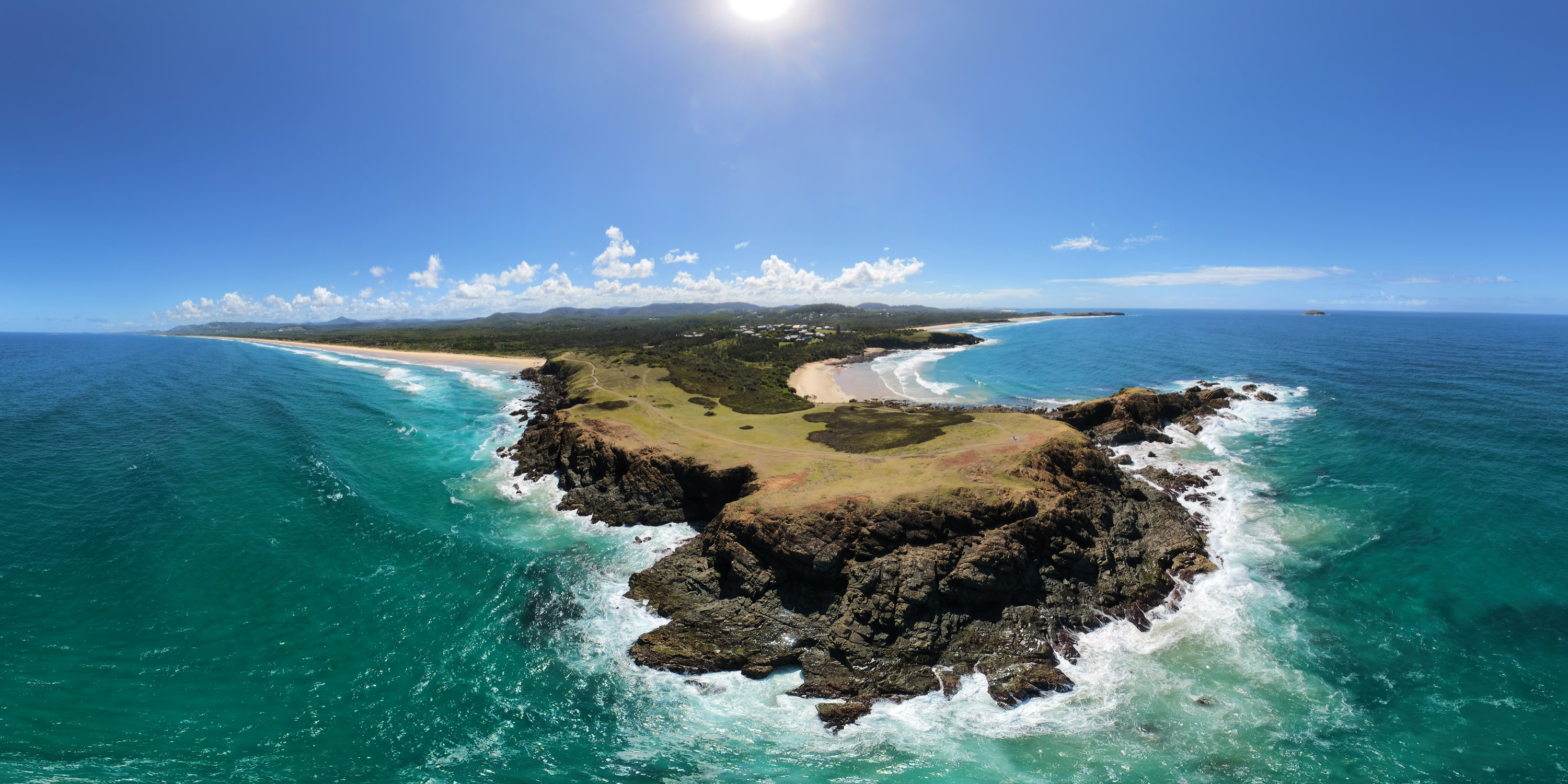
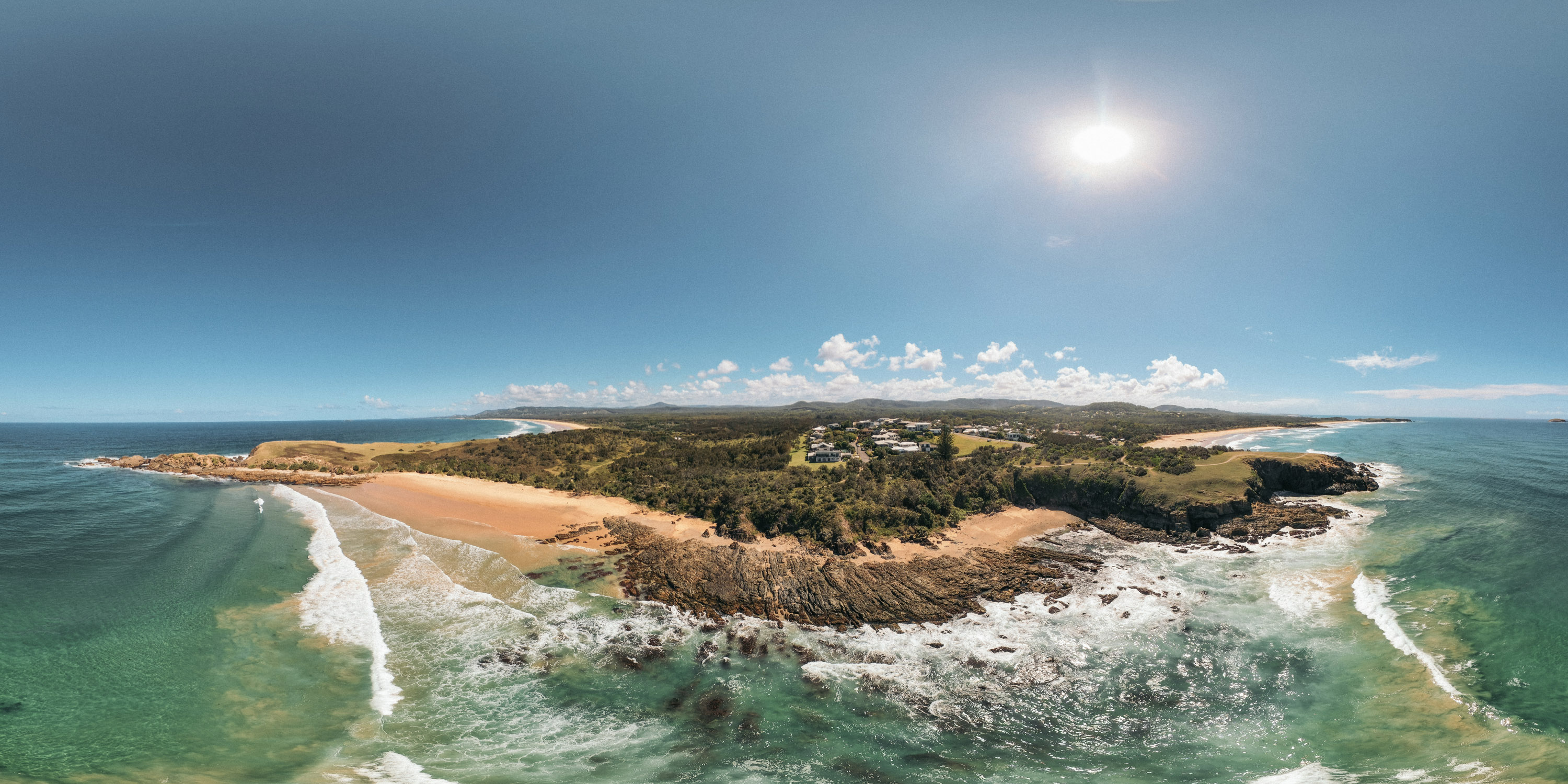
The Avata 360 captures 8K spherical video, allowing multiple compositions to be extracted from a single flight. It’s quite a liberating way to shoot. Rather than aiming, you’re gathering, casting a wide net across the scene and deciding later what matters. It excels at ultra-wide perspectives and creative compositions that would otherwise be difficult to achieve.
But there are compromises. Once reframed, footage typically resolves closer to 4K or below, lacking the sharpness of DJI’s traditional camera drones.
Stitching artefacts can appear, and the cinewhoop design can introduce slight wobble, particularly in wind. Low-light performance is limited, with noticeable noise and reduced dynamic range.
There’s also no optical zoom, only digital which further impacts the image quality once cropping in.
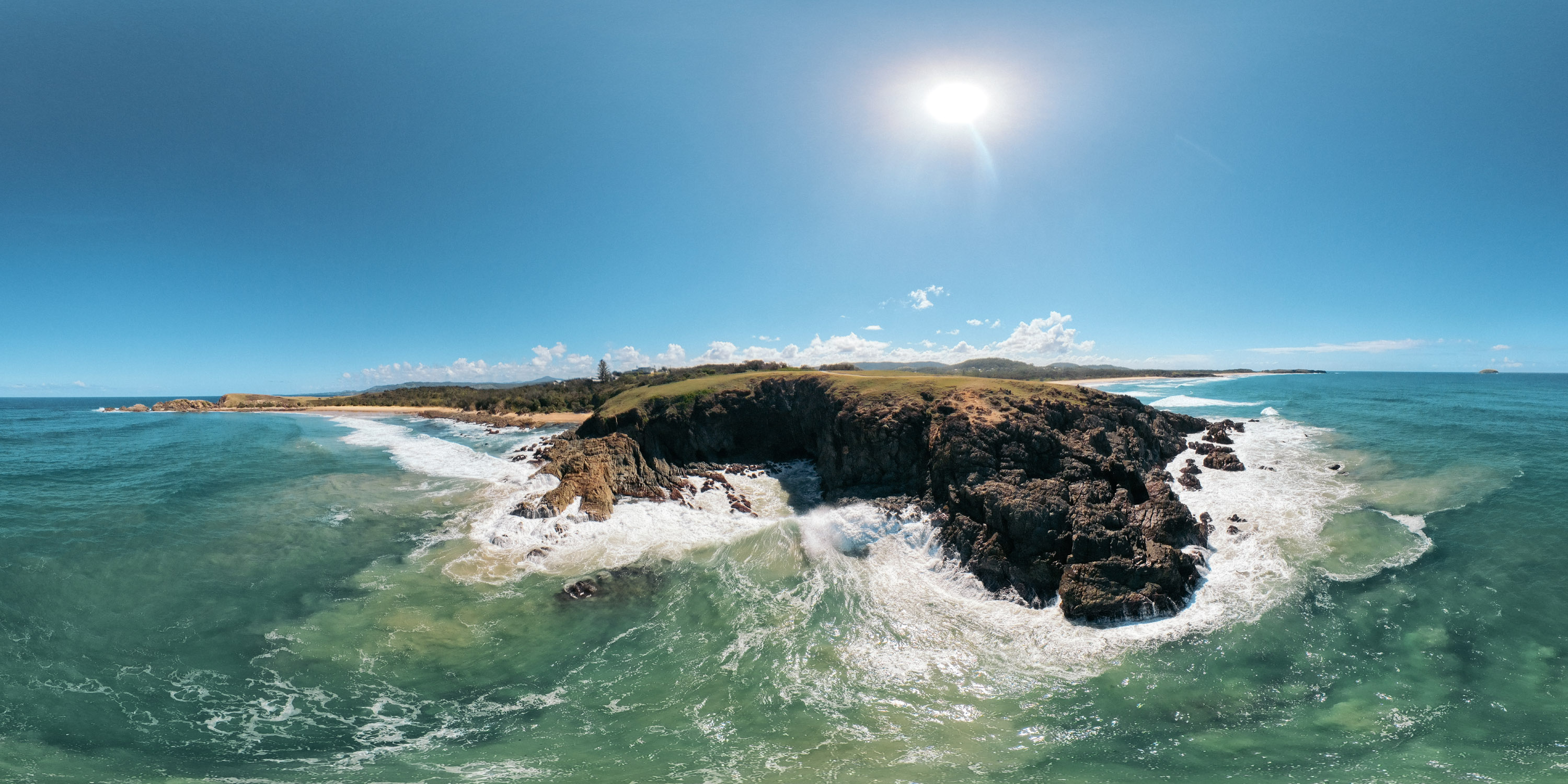

Against rivals like the Antigravity A1, DJI leans into consistency, ecosystem integration, and accessibility. While competitors may offer lighter bodies or more streamlined post workflows, DJI’s strength remains how tightly everything works together from capture to goggles to editing pipeline. It feels as though the Avata 360 isn’t about ultimate image fidelity, instead it’s about flexibility and experience.
Flight performance
In the air, the Avata 360 feels solid. It’s responsive, intuitive, and well-balanced offering a mix of cinematic control and FPV freedom. There’s a fluidity to how it moves, more like drawing through space than hovering above it. That sense of motion becomes part of the final image, especially when reframing footage later.
While the Avata 360 can be used in more traditional control setups, it really makes sense when paired with DJI’s FPV ecosystem, goggles and motion controllers. Across the Avata range, DJI offers multiple combo kits, typically bundling the drone with immersive FPV goggles and the RC Motion controller.
Depending on the package, you’ll find variations such as Goggles 3, Goggles 2, or the lighter Integra system, paired with motion controllers like the RC Motion 2 or 3.
In practice, the motion controller is what makes the system feel so accessible. Instead of traditional sticks, you steer the drone with wrist movement, almost like pointing your way through space. It feels intuitive, almost game-like, and removes much of the intimidation factor usually associated with FPV flying.
The goggles complete the experience. With a low-latency live feed, you’re essentially inside the drone’s perspective. Higher-end models like Goggles 3 add features such as real-world passthrough viewing, allowing you to briefly see your surroundings without removing them, something that genuinely improves safety and awareness in the field.
One big drawback however is battery life. Real-world flight time sits between 16 and 20 minutes, depending on conditions. If this is your primary creative tool, multiple batteries are essential.
I feel I can rely on my trusty DJI Mavic 3 Pro to get the job done when on assignments and flying great distances to reach my shot, I don’t think I would rely on the Avata 360 the same.
Features and workflow
Setup is classic DJI, fast, intuitive and almost impossible to get wrong. Pairing goggles, controller, and drone takes minutes. The motion controller feels natural immediately, and even firmware updates were surprisingly smooth in testing, despite my poor internet conditions at the time of setting it up.
Once airborne, everything just works. But the real shift happens after landing. Editing becomes a significant part of the creative process. Stitching, reframing, and refining footage takes time.
Compared to traditional drones, it’s a slower, more deliberate workflow.
This is where DJI still trails slightly behind competitors like the Antigravity A1, which is often praised for a more streamlined post-production experience. DJI’s system is powerful, but not yet the most refined in this space. For some, this is friction. For others, it’s creative control.
The wrap-up
If you’re after quick, polished aerial footage straight out of camera, drones like the DJI Avata 2 or the Mini and Mavic series remain the more practical choice, while the Antigravity A1 may appeal more to those prioritising portability and lighter regulatory constraints.
If you shoot primarily stills as I do, the Avata 360 isn’t ideal. But if your interest lies in shaping footage after the moment, reframing, rethinking, and reinterpreting scenes, this drone opens up a very different kind of workflow.
It suits filmmakers, multi-platform creators, and FPV pilots looking to push their visual language beyond fixed framing. In that sense, the DJI Avata 360 feels less like a refinement and more like a shift in direction.
It doesn’t deliver the sharpest image, nor the fastest post-production workflow, and it asks more of you in both capture and editing. But in return, it offers pure immersion and flexibility.
The FPV goggles and motion controller turn flying into instinct, while the 360 capture turns shooting into endless possibility, and together they create a system that feels less like operating a drone and more like moving through space itself.
Competitors like the Antigravity A1 are clearly pushing in the same direction, each with their own strengths, but DJI’s advantage remains its ecosystem that is tight, polished and deeply integrated.
Would I go out and purchase the Avata 360 for my photography? No, not when my DJI Mavic 3 Pro does everything I need, however for fun the 360 would keep my creative juices flowing and that could be beneficial from time-to-time.
The results
Build quality ★★★
A robust cinewhoop-style frame with integrated prop guards makes it feel durable and safe in tighter flight scenarios, though the exposed dual lenses require careful handling.
Ease of use ★★★★
Fast setup, intuitive controls and a motion controller that makes FPV flying feel natural even for beginners.
Flight Stability ★★★
In the air it’s smooth, responsive, and well-balanced, delivering a fluid, controlled flying experience despite minor wobble in wind.
Camera/Image Quality ★★1/2
The 8K 360 capture offers creative flexibility, but reframed footage loses sharpness, with some stitching artefacts and weaker low-light performance. Not a photographer's drone.
Value for Money ★★ 1/2
It’s less about pure image quality or efficiency and more about creative freedom, making it worthwhile for filmmakers and FPV enthusiasts, but harder to justify for traditional drone users.