

The minimalist landscape: The art of less (Part one)
When people talk about minimal landscape photography, they often refer to it as a genre within the subject or set style. But I think it’s so much more than this; it is an art of refining composition down to the simplest elements that still express a complex story.
We often start building a photograph by selecting a subject, defining its presence in the frame, but what if we first defined the presence of the space left, the space in between, the space around?
The art of minimalism photography gives importance to space in the frame, the isolation it provides to the subject to present it in a clean, uncluttered photograph, then emphasising serenity and calm of the landscape.
For me, minimalism is more than making simple photographs but is also a state of mind while working in the landscape. It rewards a slower and more thoughtful approach—giving real thought to what we are really trying to say with a photograph, rather than trying to capture the landscape in its entirety.
Lots of people think minimalism is best achieved by the isolation of one subject held within a floating frame of negative space. It’s true, this approach will make a minimal photograph, but we have to be careful not to make a simple photograph with little else to say.
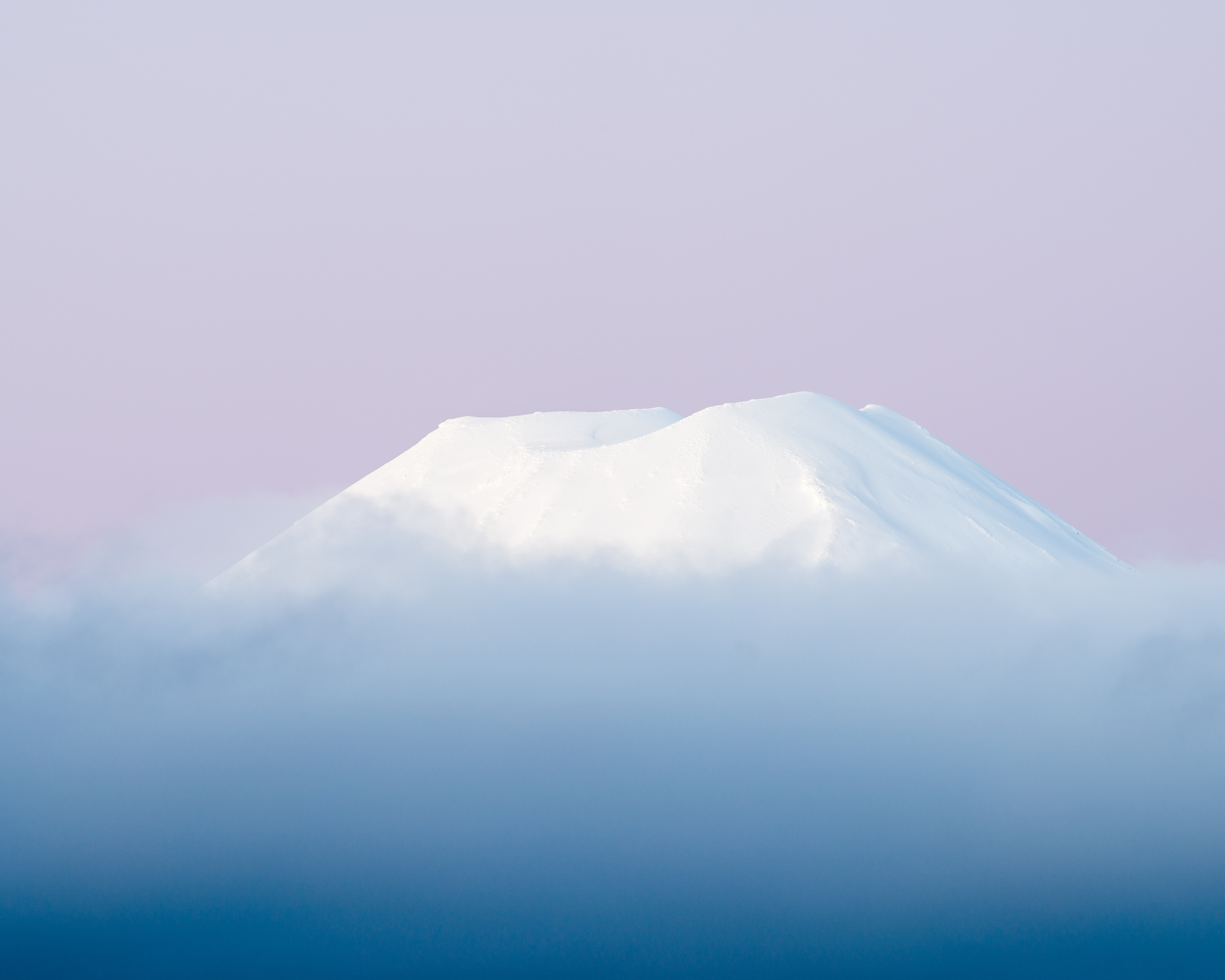
Bringing in more to make less
When you work with a second or a third element in the frame, this is when you can create a photograph that allows us the tools to communicate something deeper. We can start to speak by using the space between the elements, the way they each talk to each other inside the frame.
The greatest minimalist photographs will have more than can be seen in just a quick impression; they will welcome you back for a second study.
Even if you do not wish to be a minimalist photographer, you can still learn so much by approaching the building of a photograph by stripping down the landscape to its most essential elements—the ones that matter to you, the ones you wish to communicate to the viewer—leaving out anything that does not add to the message you are trying to convey.
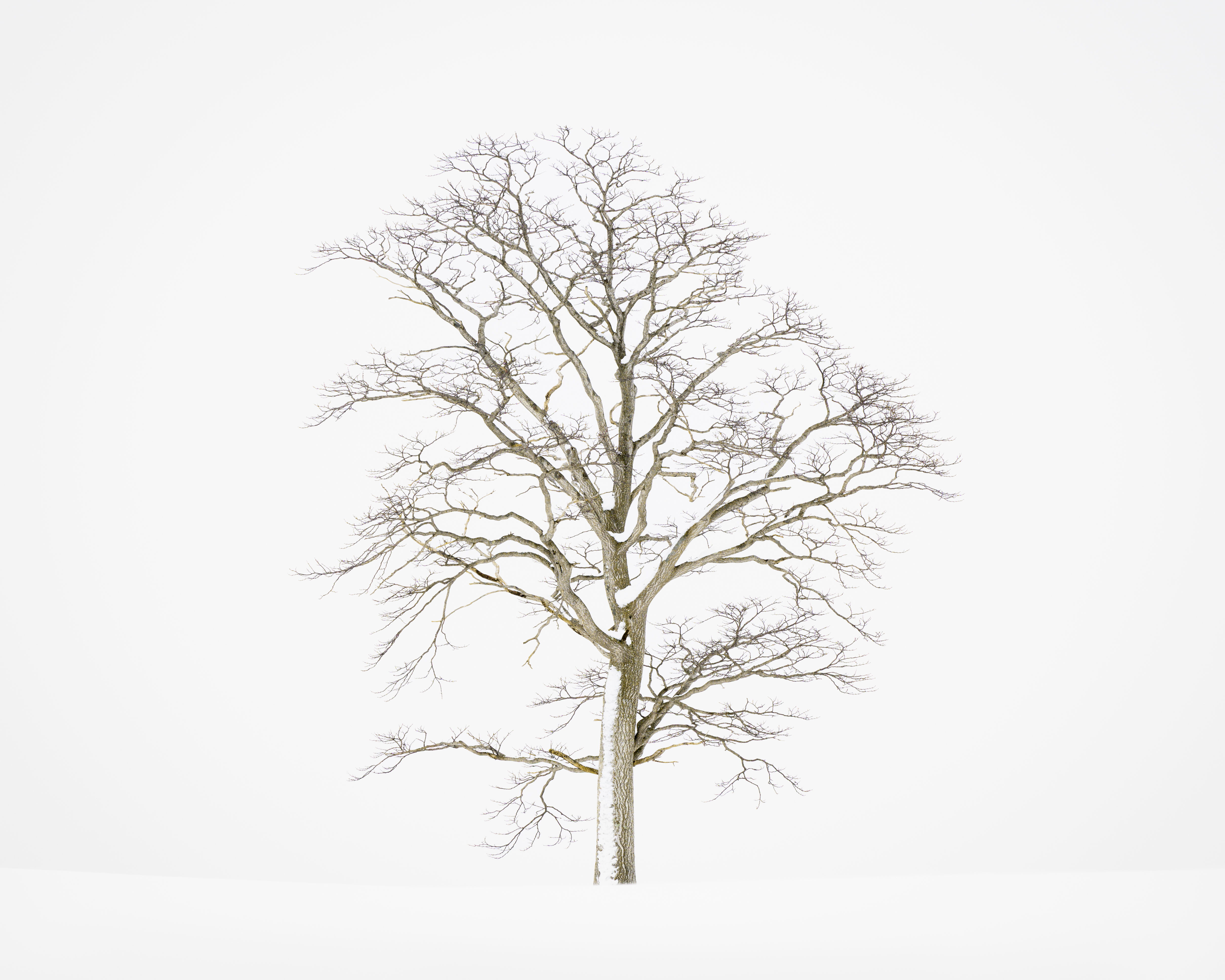
I live in New Zealand, a country famed for its untamed wilderness, and my local landscapes are some of the most visually complex anywhere on earth. It is a place that celebrates nature’s beauty through its many colours, tones, shapes, and textures, but that very richness so often makes it incredibly difficult to create photographs that feel clean and uncluttered.
Take our wild rainforests in Fiordland and the West Coast—these are some of the busiest, most visually dense environments imaginable. If your approach is to capture the grand vista with a wide-angle lens, it is often impossible to reduce what you see into anything resembling a minimalist photograph. Every frame is full, every corner competing for attention.
This is when the real work begins. Creating minimal photographs in complex landscapes comes down to the deliberate isolation of a subject and the disciplined removal of everything else.
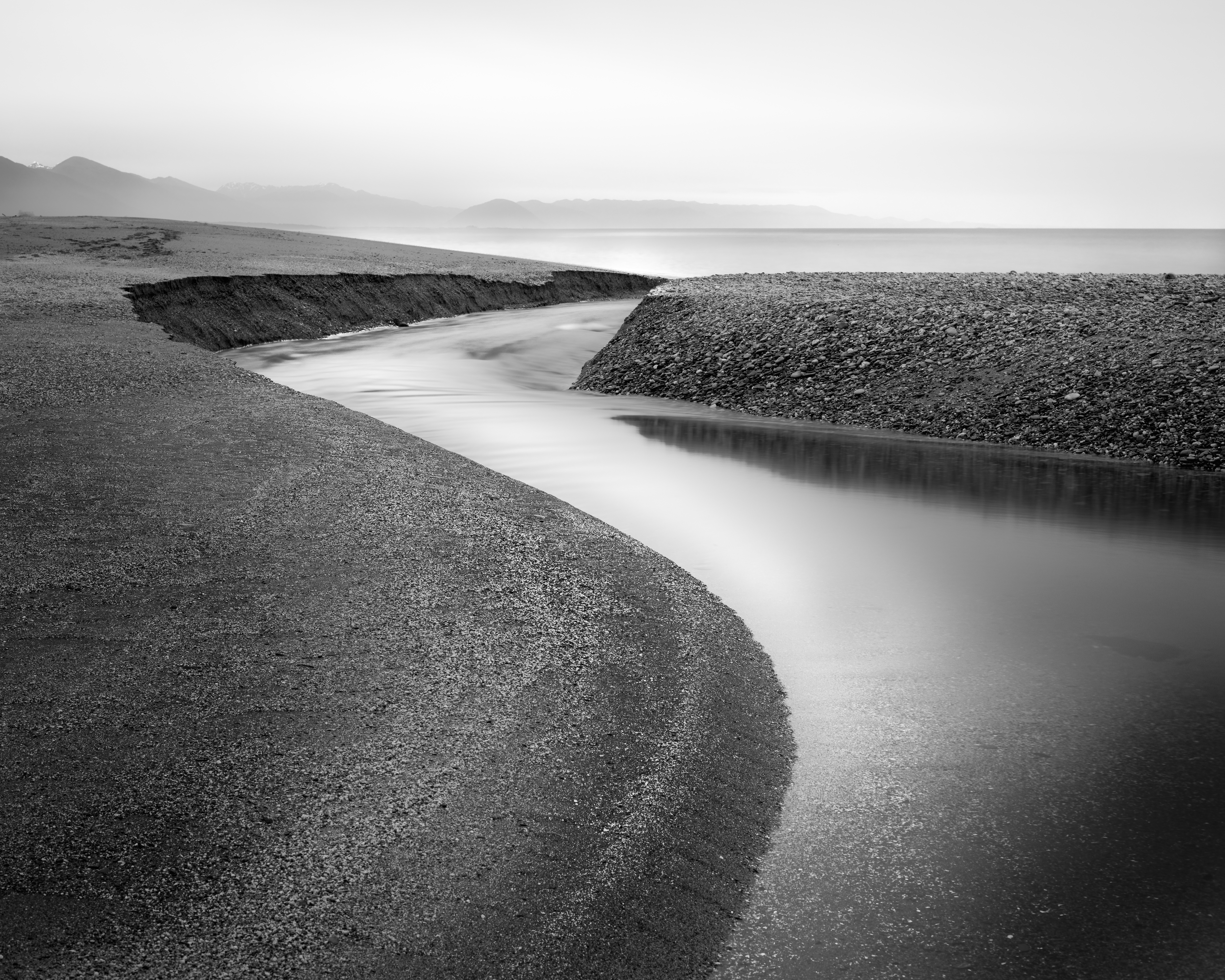
It forces you to think carefully about lens choice and about where you stand to separate your subject from what surrounds it. A painter has the luxury of choosing what to include; as a photographer, we must choose what to leave out.
Mastering this in New Zealand landscape has taught me that if you can find stillness and simplicity here, you can find it anywhere. And the process of learning to do so will fundamentally change the way you approach every photograph you make.
The search for visual harmony
For the past two years, I have been visiting Japan to photograph the minimal beauty of winter in Hokkaido—a landscape blanketed in deep snow, reduced to the most elemental palette of white, grey, and the occasional dark silhouette of a tree.
On the surface, it could not feel more different from the density of a New Zealand landscape that demands that you carve simplicity out of complexity. Hokkaido in winter seems to offer it to you freely; the snow softens everything, erases texture, and wraps the world in a quiet that feels almost sacred.
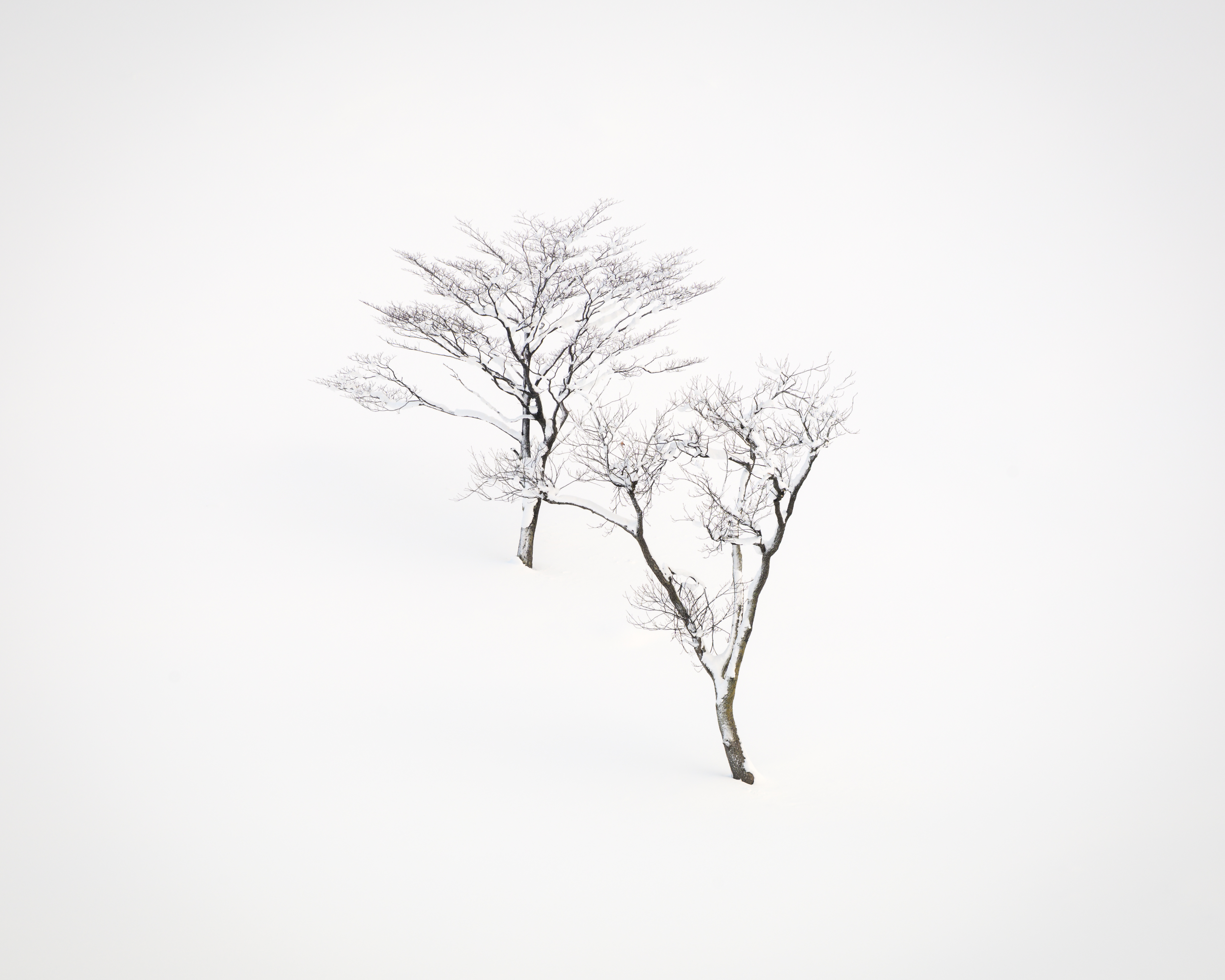
But here is what I have come to understand: a simple landscape does not automatically make a simple photograph.
The very openness of these snowscapes presents its own set of challenges. This is not an untouched wilderness—it is a land crisscrossed with roads, powerlines, barns, and fences, all of which demand careful composition.
And when you reduce a landscape down to so few elements, every single detail carries enormous weight. The placement of a lone tree, the curve of a snow-covered road, a single set of footprints crossing an open field—each becomes the whole story. There is no complexity to hide behind, and no room for distraction.
I think the Japanese understand this philosophy more deeply than anyone. Their relationship with minimalism extends far beyond photography—it is visually embedded within the landscape in architecture and garden design.
It is an approach to life built on the idea that reducing what you own gives greater importance to each thing you keep, that considered placement creates harmony, and that harmony is only destroyed by tension between objects.
But I also learned to be careful not to confuse minimalism with perfection. When everything is too controlled, a photograph can feel sterile—something generated rather than experienced. It is the imperfections—the slight lean of a snow-laden branch, the uneven edge of a frozen pond—that give a minimal photograph its soul.
So how do you begin to apply these ideas in practice, wherever you happen to be? The first thing I would encourage any photographer to do is resist the instinct to reach for the wide-angle lens.
Leave your wide-angle at home
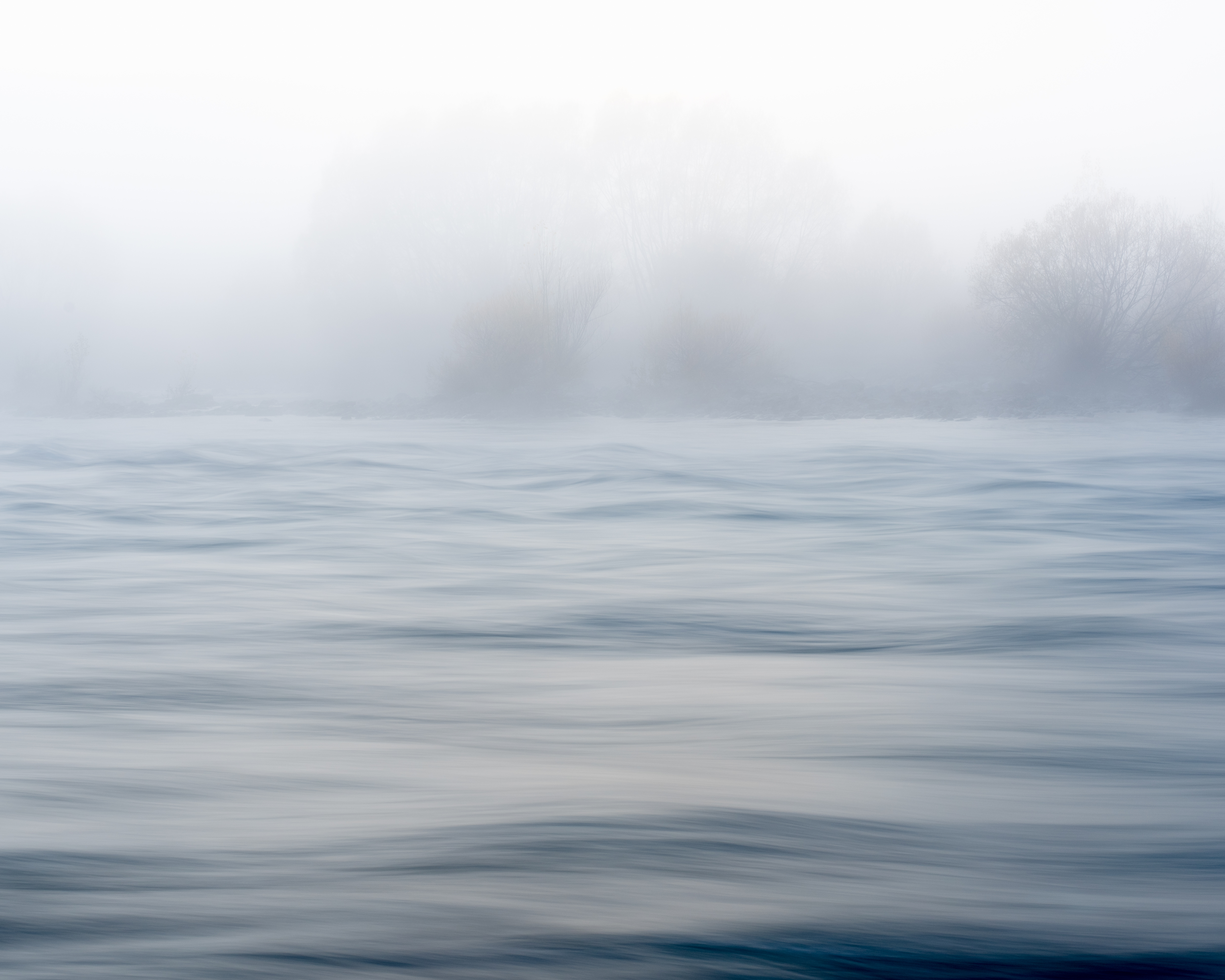
There is something deeply ingrained in landscape photography culture that says a wider lens means a grander photograph. But wide does not mean minimal.
When I’m working with groups on workshops, I notice the same pattern again and again: the 14mm or 16mm is almost always the first lens on the camera, and with it comes a frame so full of information that isolating any single subject becomes nearly impossible.
At the other extreme, a very long telephoto pulled tight around a subject can certainly isolate it, but it can also remove all sense of the surrounding space, which is the very thing that gives a minimalist photograph its power.
The most interesting creative territory often sits between those two extremes. A 50mm, a 70mm, perhaps a 100mm—these focal lengths allow you to be selective about what enters the frame without losing the sense of environment that gives your subject context.
Combined with thoughtful positioning—moving closer, stepping back, changing your height, shifting your angle—a mid-range lens gives you more creative control over the balance between subject and space than almost anything else in your kit.
The sea and sky
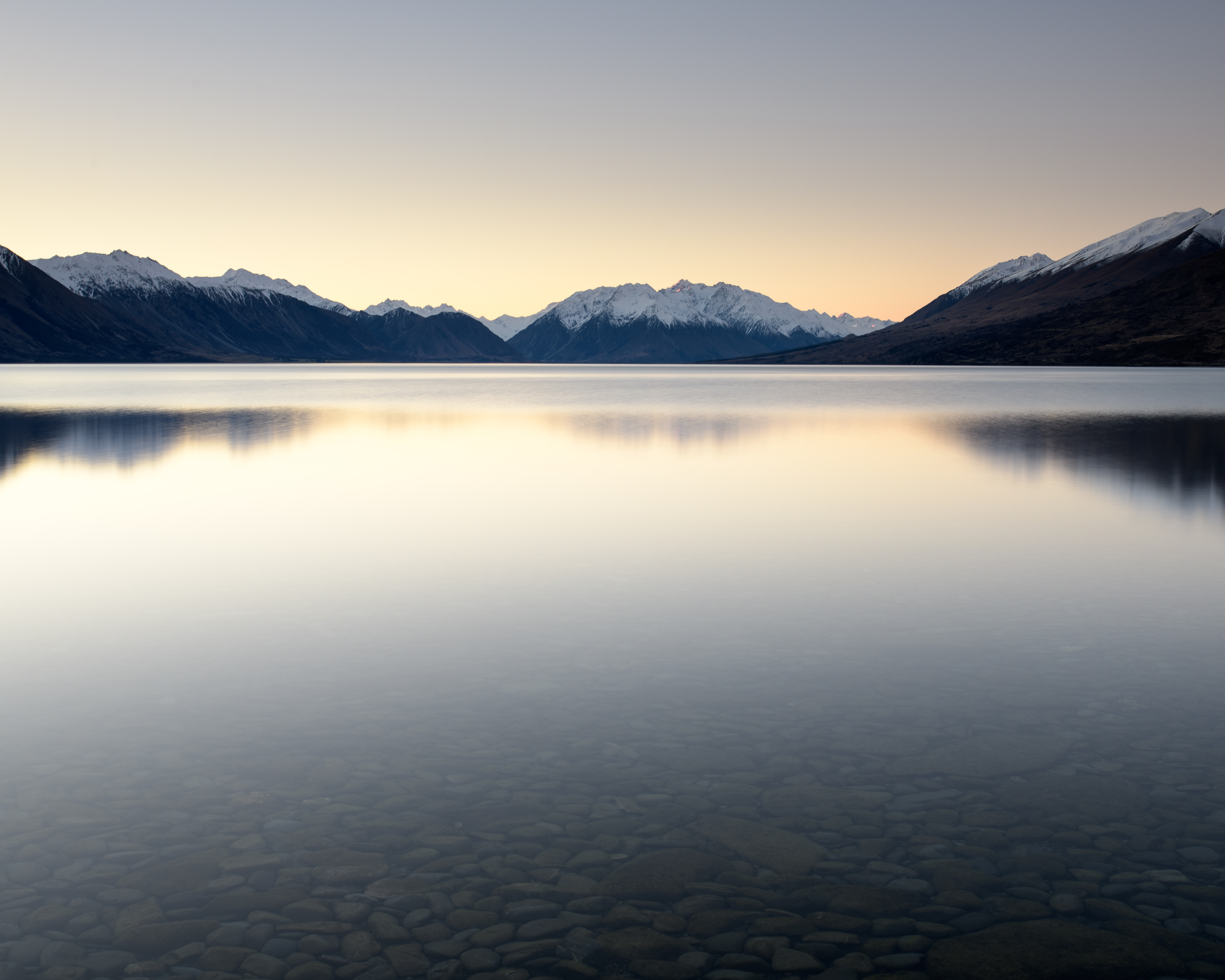
In every landscape, no matter how complex, there are two natural canvases that offer simplicity: the sky and water. A sky, especially one that is clear, graduated, or softly overcast, provides an instant area of calm that can anchor even the most cluttered foreground. Water—whether a still lake, a slow river, or the open sea—offers the same gift.
Learning to use these natural elements as deliberate background, rather than simply as incidental parts of the scene, is one of the most powerful tools available to the minimalist photographer.
Look out for part two next week.