

Desert island lenses: What the pros use (Part two)
This is the second part of our two part series on the lenses the pros would take to a desert island. You can see part one, from last week, here.
James Dorey – Macro
Canon MP-E65mm f/2.8 1-5x Macro

James Dorey owes his career direction to the purchase of a secondhand Canon 100mm macro lens; “I didn’t plan on getting into insect sciences but after spending a year photographing wasps and native bees in my backyard I became hooked.”
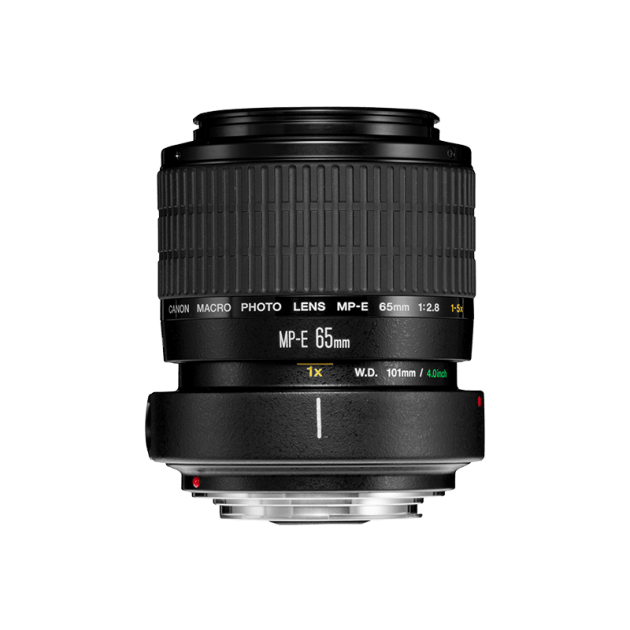
Nowadays the Wollongong-based entomologist uses the Canon MP-E65mm lens to capture most of his unique imagery. “While an ordinary macro lens typically focuses from infinity down to 1x magnification, the Canon MP-E65mm lens starts at 1x magnification and focuses down to 5x magnification (a 1:1 to 5:1 magnification ratio). It is really the only lens you can use if your subject is as small as 2mm.”
When photographing live subjects in the field James uses “a lot of light” from an external flash as well as a smallish aperture (usually f9 to f11) to achieve a modest depth-of-field.
When photographing dead specimens however, James uses a technique called focus-stacking, where he will literally capture anywhere from 50 to 200 images while moving the focus across the subject; these photos are then compiled in Photoshop to make an image that James describes as “otherworldly”.
James’s advice to anyone using the lens is to get good at lighting macro subjects, and to start exploring the lower magnifications first before exploring the 5x magnification setting.
www.jamesdoreyphotography.com.au
James Simmons – Wedding
Canon RF 50mm f1.2L USM

Like most photographers, James Simmons had a “Nifty Fifty” (50mm f1.8) lens in his student days but he upgraded to the Canon EF 50mm f1.2 when he started shooting weddings in what he describes as a love-hate relationship.
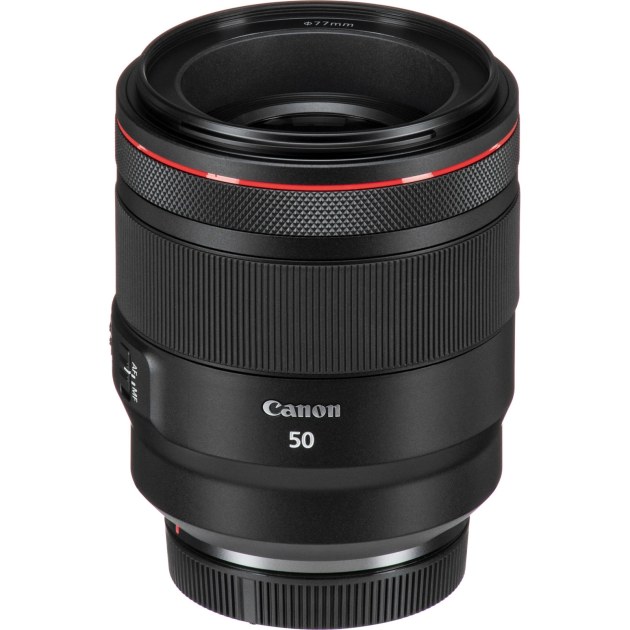
New price for the Canon RF 50mm f1.2 is about $3600. The Canon EF 50mm f1.2 lens is $1900 new, or about $1200 secondhand.
“I loved the results at f1.2 but nailing the focus was always a challenge with the SLR cameras; you’d take 10 photos and hopefully one might be sharp.”
Nowadays the Perth-based wedding photographer uses mirrorless cameras, and he describes his new Canon RF 50mm f1.2 lens as both a beast, and a bit of a game changer.
“The 50mm works really well at the distance I like to work at with couples; you can direct, you can banter, and yet you are not too far away if you need to fix the hair or the dress. The working distance is great but at f1.2 you can also get a really dreamy feel.”
James is frequently using the lens at f1.2 for intimate portraits, but he will also stop the lens down to f4 or f5.6 for the more traditional group photos.
He adds, “The lens also gets a lot of use in low light, particularly when I get to a reception only to find it is entirely lit by candlelight!”
www.jamessimmonsphotography.com.au
Sam Ferris – Street
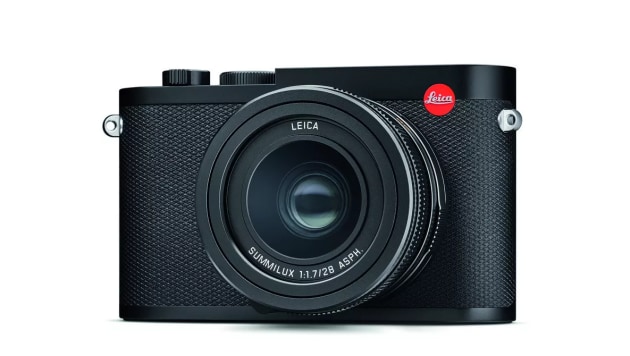
Summilux 28mm f1.7 ASPH (Leica Q2)
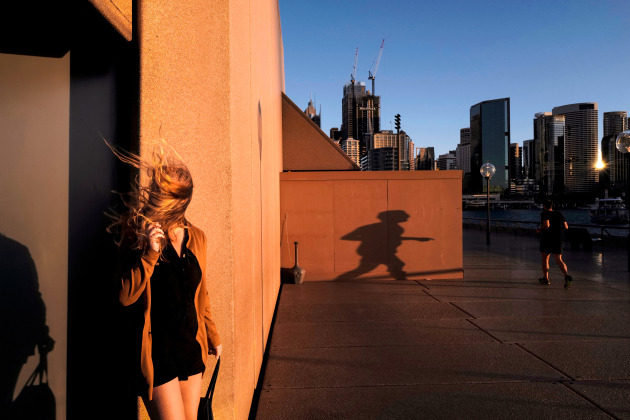
Sam Ferris is drawn to the energy of concrete, chaos, and a million faces in motion. For him, the perfect lens to capture this chaos is a 28mm f1.7, albeit permanently attached to a Leica Q2 full-frame, compact camera. Sam would prefer, of course, that the island you dropped him on was Manhattan!
A high school English teacher by day, Sam discovered street photography by accident when he moved to Sydney in 2008.
“I was making photos with a small Canon compact and sharing them with my family on Flickr. What I didn’t realise was that total strangers could also see these photos, and soon they were describing my images as street photography”.
Since then, Sam has become one of Australia’s leading street photographers, though he still sees himself as a student of the craft.
He’s known for working close with his 28mm:
“Purists might swear by a 35mm or 50mm, but I think 28mm forces you to engage with what’s in front of you. That closeness brings out the humanity, the tension, the spark that makes a photo come alive.”
He’s also quick to remind people that great photos don’t rely on expensive gear: “I’ve taken shots I love on my phone. Street photography is really about how you see the world and how you choose to interpret it.”
And his advice for beginners? “Be kind to yourself. You’ll take a thousand ordinary photos for every one that might work, but those rare frames are worth every step. Street photography rewards patience, persistence, and the simple joy of looking.”
Mark Watson – Sport
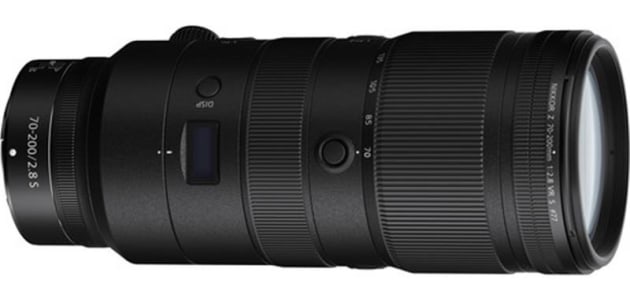
Nikon Z 70-200mm f/2.8 VR S Lens
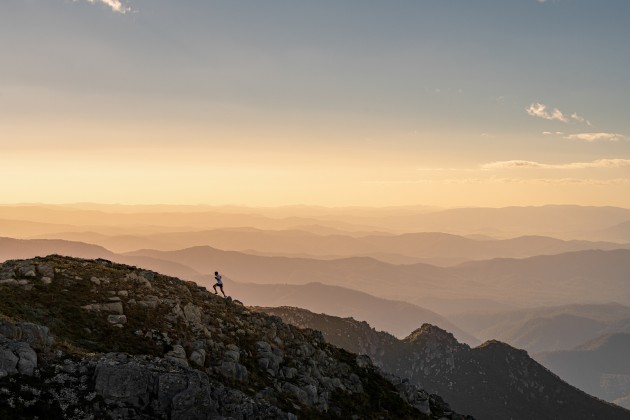
While many sports photographers shoot with 600mm lenses from the relative safety of a sideline, Mark Watson jokes he has spent “half his life shit-scared or just trying to survive – it was a bonus if I could get the camera out and get a shot”.
An extreme sports photographer, Mark has spent 30 years photographing everything from hang-gliding and motor cross to surfing and mountaineering.
“I’ve been on a boat shooting big wave surfing when it has capsized, and I’ve been on mountains when I’ve been told ‘we are in a no-fall zone’ – one wrong step and you die!”
After completing a degree in biological and forensic photography (and spending one month working in a hospital) Mark realised his true passion was adventure sports, photographing “big landscapes, little people” for the likes of Red Bull and North Face.
He describes the Nikon 70-200mm f2.8 as his go-to lens for many years; “it’s bombproof, it’s reliable and it gives results, they are the three things that I need and what my clients pay me for.
People think that as a sports photographer you will be walking about with a 600 or an 800mm, but in my alternative sport world I am often trying to portray the environment; you want to be able to see the background.”
Mark’s advice for anyone getting into sports photography is “find your passion and become the best at that, rather than replicating what everyone else is doing. Oh, and get sharp photos!”
John Gollings – Architecture
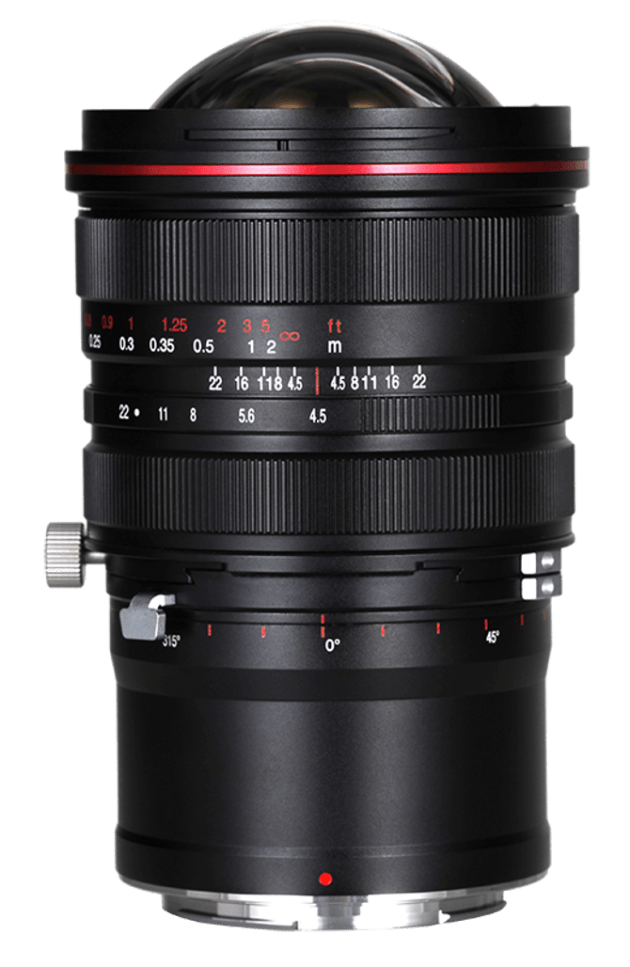
Laowa 15mm f4.5 Zero-D Shift
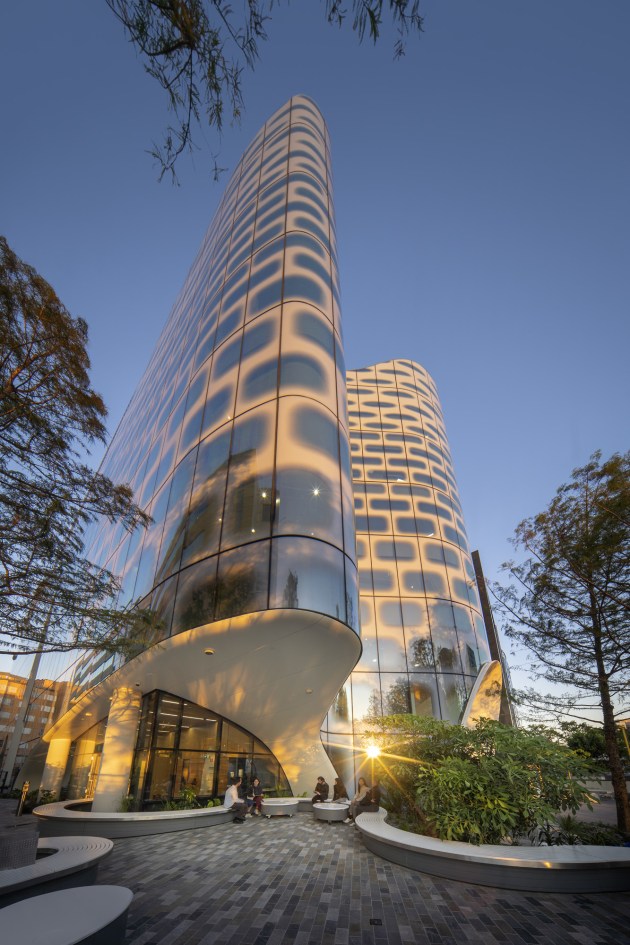
John Gollings has had a career most photographers only dream of. After studying architecture at the University of Melbourne in the late 1960s, a friend (Rennie Ellis) suggested he should try fashion and advertising photography, and soon John was shooting Marlboro Man campaigns, advertising for big banks and fashion work in Milan.
By the end of the 1970s though, John decided to commit to architecture photography – “no-one wants a 12-month old fashion photograph, but I realised my architecture work was a valuable part of the national estate and it had an ongoing life.”
John has since photographed thousands of architectural projects around Australia, and every Khmer temple in Cambodia, Thailand and Laos.
While a lot of this work was shot on large format cameras, John now shoots the majority of his work using a Laowa 15mm f4.5 Zero-D Shift lens on a Nikon Z9.
“I use the Laowa 15mm Shift lens because it is significantly wider than Nikon and Canon PC lenses, and you can attach a polarising filter to the rear of the lens; it is also pin sharp and relatively affordable compared to other shift lenses.”
(Shift and Perspective Control lenses are designed to move parallel to the sensor to help maintain geometry when photographing architectural structures.)
John’s advice to anyone using a shift lens for the first time is to learn about perspective, and then start exploring the shift functions on the lens.
And he recommends learning about “entasis” – “when using the 15mm Shift, lean the camera back just the slightest amount so that the final image does not look over corrected!”