

Dark Seas: Ten years of returning to Tasmania’s wild edge
What began as a landscape photography exercise has become a more personal project for Tasmanian photographer Nick Green, whose new book DARK SEAS captures a decade spent returning to the coastline of tukana / Tasman Peninsula in southern Tasmania.
For ten years, Green has revisited these wild coastal locations, often alone and in challenging conditions. Over time, the project shifted from simply documenting the landscape to becoming a way to slow down, gain perspective and reconnect with nature during difficult periods in his life.
The result is DARK SEAS, a 256-page fine art photography book featuring 152 black-and-white photographs and an introduction by environmentalist Bob Brown.
The series explores not only the character of the Tasman Peninsula coastline, but also the connection people can develop with wild places and the role nature can play in providing space for reflection and renewal.
We spoke with Nick about patience, isolation, monochrome imagery and the process behind DARK SEAS.
AP: You mention that this project began as a landscape photography exercise but evolved into something more personal. At what point did you realise this?
Nick Green: I don't think there was one defining moment. Looking back, it happened gradually.
Over the years I found myself returning to the same places again and again, often not because I thought I would make a better photograph than what I already had, but because I enjoyed being immersed in these places and learning their different moods. I think a big part of me simply needed to be there.
Those trips became a way of slowing down and finding perspective during some difficult periods in my life. I realised the photographs weren't just about documenting a coastline; they had become a record of a relationship with a place that had quietly helped me through some of my hardest years.
The project stopped being about what the landscape looked like and became about what it gave back and how it made me feel.
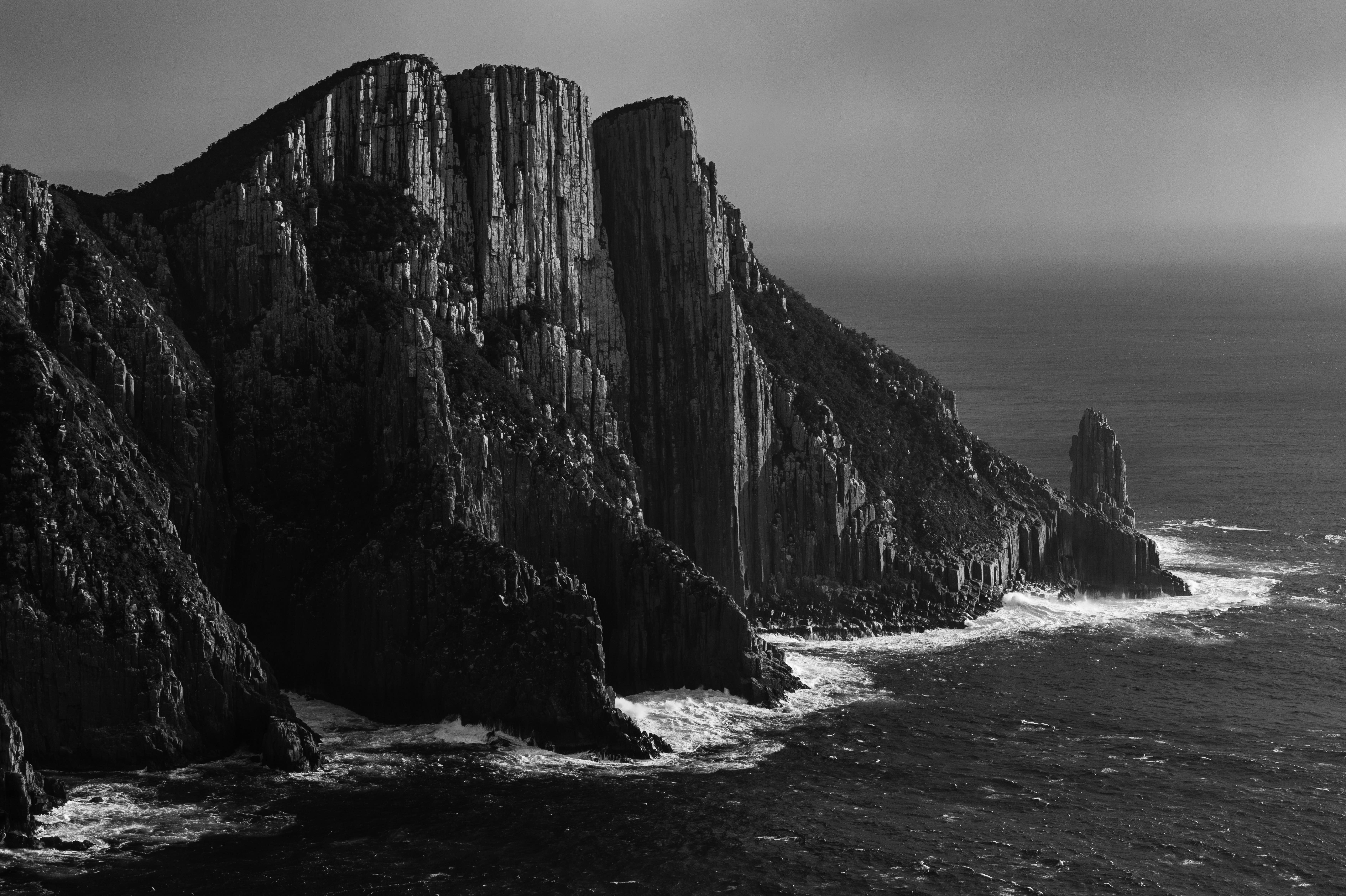
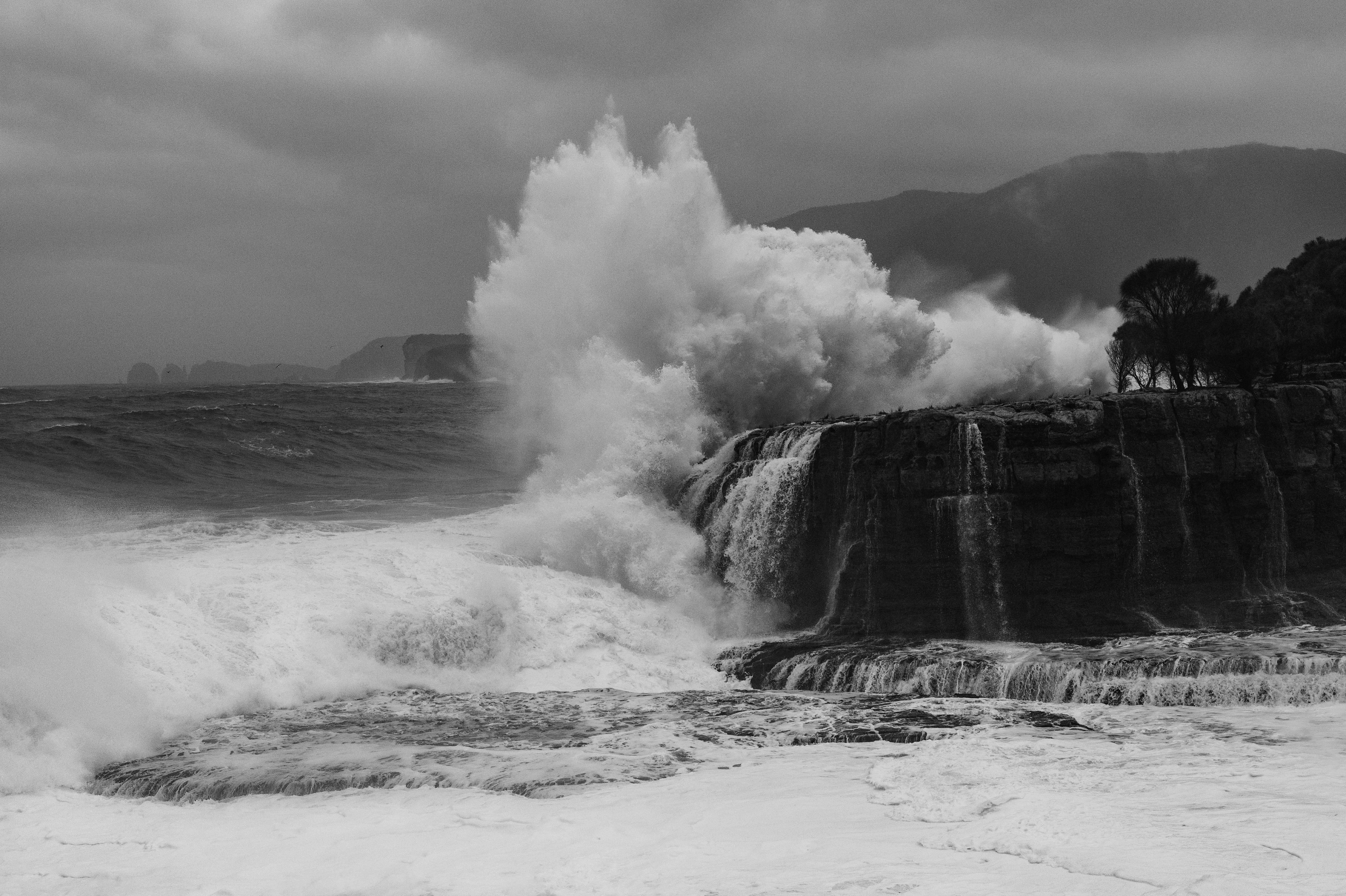
AP: You've spent a decade returning to the Tasman Peninsula, often in harsh conditions and alone. How has revisiting the same locations changed both your photography and the way you see those landscapes?
NG: Returning to the same places has taught me patience more than anything.
When you revisit a location hundreds of times, you stop looking for the obvious photographs. You begin to notice subtle changes in weather, tides, swell and light that you would never see during a single visit.

Some trips end without taking a single frame because it is simply not happening that day. Other times you miss the moment, but you learn something important for the next visit.
I find it fascinating how much information humans take on board without even realising it.
We have this ability to store knowledge subconsciously, and that helps us make decisions in the future.
A lot of people have asked about the danger involved in reaching some of the locations photographed in the book, particularly those made from the water or from cliff edges with large surf.
But that danger is relative to the amount of lived experience you have in a place.
It comes from spending years learning safe access and exit points, understanding where you need to be and when you need to be there. That knowledge only comes from returning to a place repeatedly.
AP: The book has resonated strongly with audiences around themes of mental health and disconnection. Were you surprised that people connected so deeply with those ideas?
NG: For much of my photography career, people have mainly responded to the surfing side of my work, which has been fantastic. It is something I am still incredibly passionate about.
But one of the most rewarding parts of this project has been the conversations since the exhibition opened. They have almost always been about something much deeper.
People have shared stories about grief, burnout, anxiety, depression and the importance of having somewhere they can go to simply breathe.
Complete strangers have told me about places that helped them through difficult periods in their own lives.
If these photographs can encourage someone to spend more time outside, reconnect with nature or simply slow down for a while, then they have achieved far more than I ever expected.
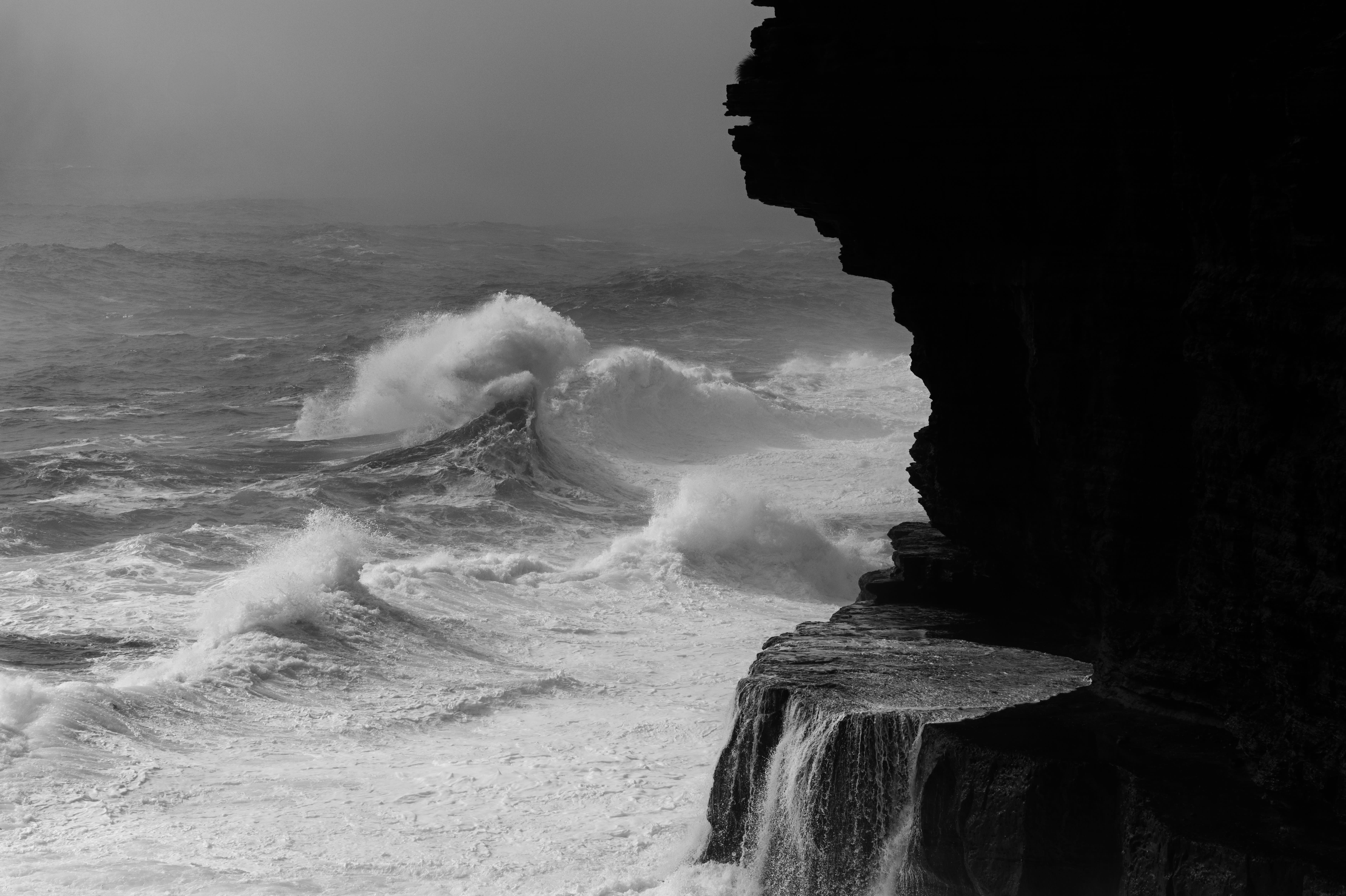
AP: The photographs are all black and white. What led you to that decision?
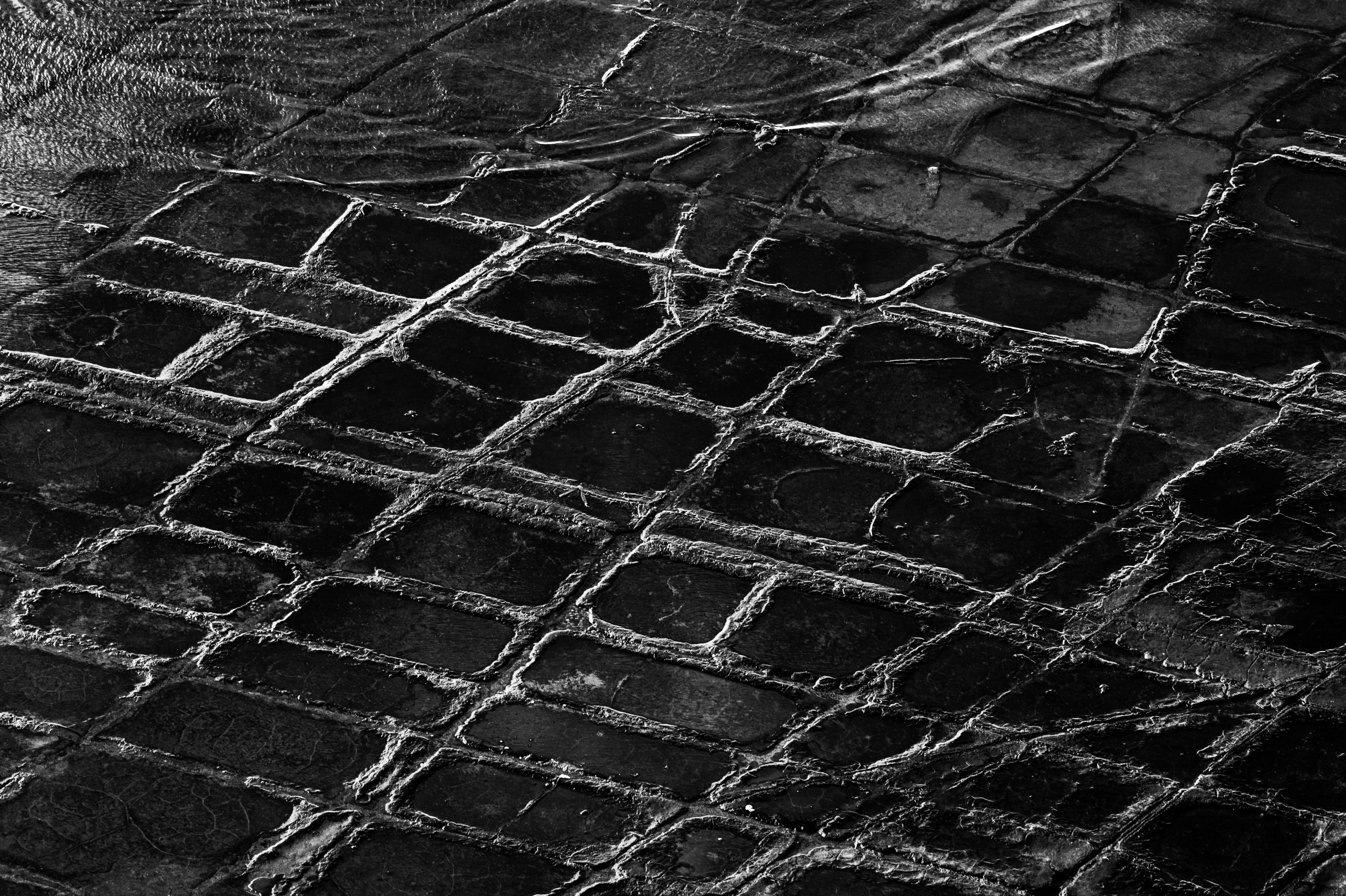
Black and white strips the landscape back to its essentials and removes the distraction of colour.
The Tasman Peninsula is obviously an incredibly beautiful place, but I was not interested in making colourful postcards. I wanted people to notice the texture of the cliffs, the movement of the ocean, the weight of the weather and the feeling of isolation.
Removing colour also creates a sense of timelessness. Many of these photographs could have been made yesterday or 50 years ago, which felt appropriate for a landscape shaped over millions of years.
More importantly, black and white leaves more room for emotion. It encourages people to respond to the atmosphere of an image rather than simply admiring the colours.
AP: After spending ten years immersed in this project, what do you hope readers take away when they close the book?
NG: More than anything, I hope they feel inspired to spend more time in wild places.
We live in a world that is increasingly fast, noisy and dominated by screens. Wilderness asks something different of us. It asks us to slow down, pay attention and remember that we are part of something much larger than ourselves.
This coastline has given me far more than photographs. It gave me perspective during some of the hardest years of my life and reminded me that simply being outside can be profoundly restorative.
I have tried to be vulnerable with my own internal struggles in an attempt to hopefully allow others to feel less alone in their own.
If someone closes the book and decides to leave their phone at home, walk along a beach, sit quietly in a forest or reconnect with a place that makes them feel grounded, then I will feel like the project has succeeded.
I also hope it reminds people that these places are not guaranteed. They are precious, increasingly vulnerable and worth protecting.
AP: Do you have a standout or favourite image from the series?
NG: That is probably the hardest question because every photograph represents a different memory or experience.
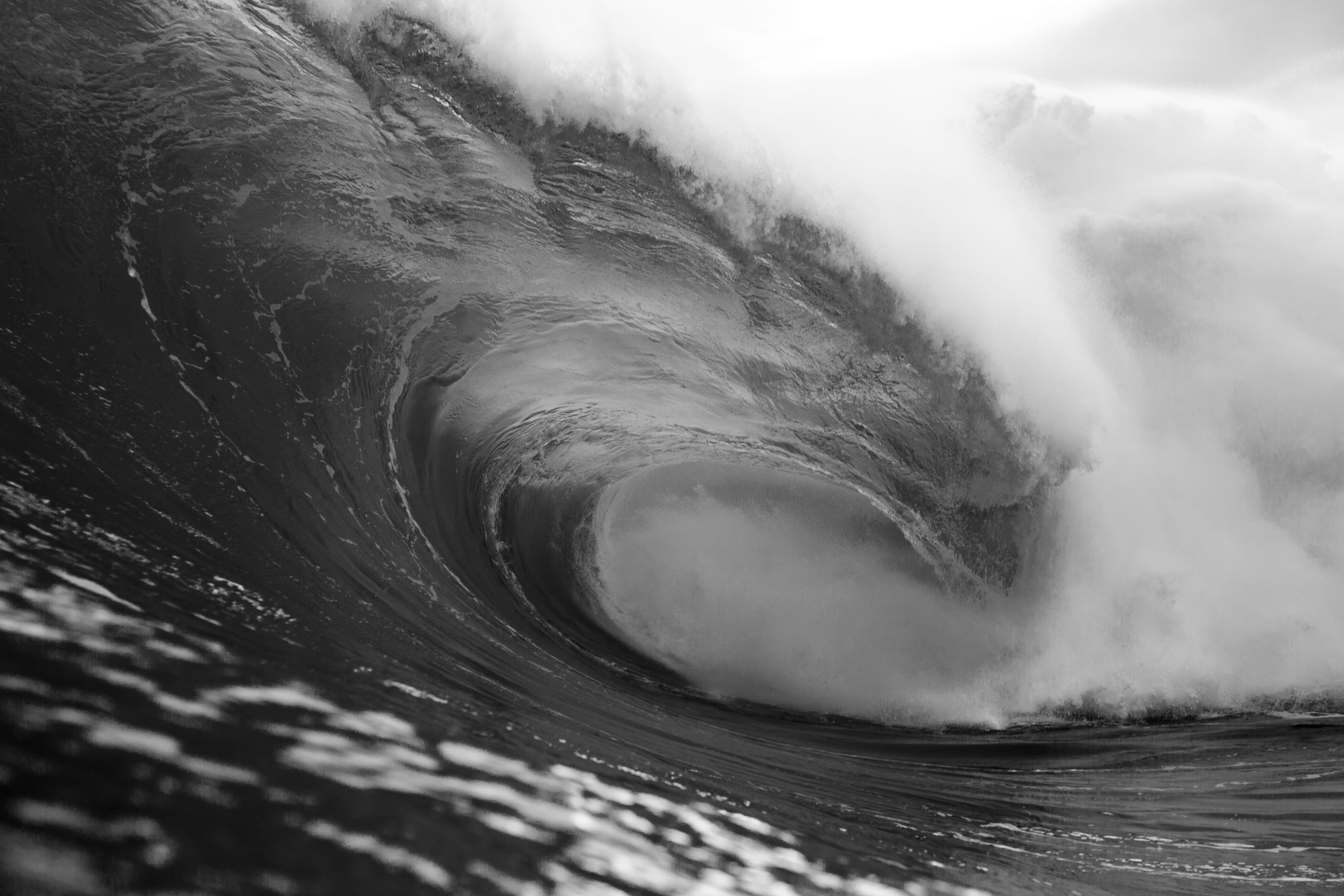
But if I had to choose one, it would be the image below, which was the very last photograph I made before sending DARK SEAS to print, and in many ways it feels like the culmination of the entire project.
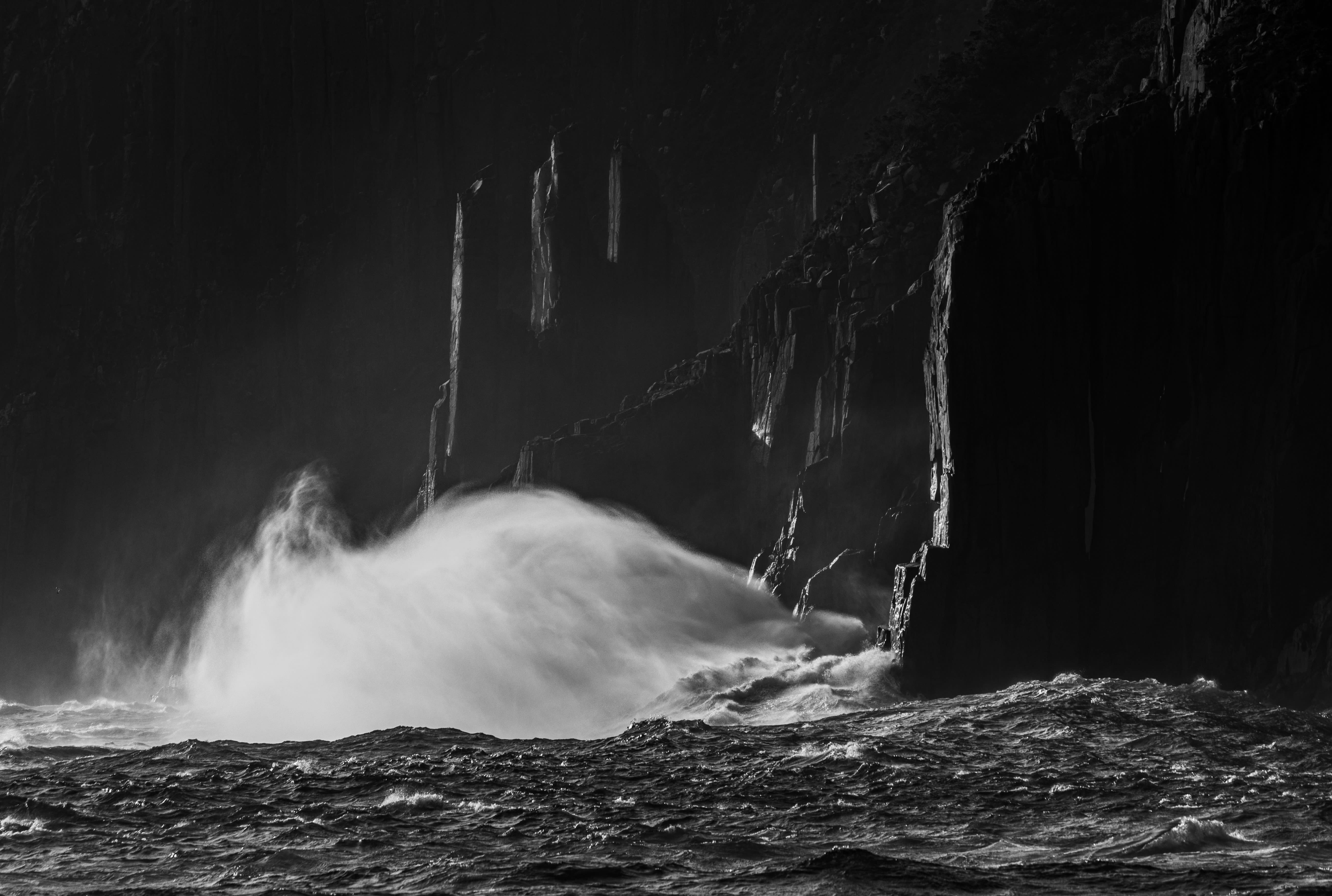
It brought together a decade of returning to this coastline; everything I had learnt about the landscape, the weather, the ocean, my technical approach and the patience that comes from spending years waiting for these moments.
To capture it, I spent four days alone camping on an island during a large southerly swell, waiting for the conditions to align. I knew the swell would build each day, but I also needed the afternoon light to arrive at exactly the right moment as the ocean reached its peak.
When everything finally came together, it lasted only a matter of seconds.
What I love most about the image is that it is not really about the wave itself. It is about the time behind it.
The thousands of hours spent walking cliffs, studying weather charts, returning after failed attempts and slowly building a relationship with a place. For me, that photograph represents what DARK SEAS has always been about: not chasing a single image, but committing yourself to a landscape long enough for it to reveal something extraordinary.
“This work exists because I kept returning. And because the land kept allowing me to.” – Nick Green
