

Tilt-Shift Lenses: Seeing the world without fixing it later
Tilt-shift movements are not new. They have been part of large format photography for decades, where photographers could physically move the lens to control perspective and focus with precision.
The downside was always practicality. Large format cameras are slow, heavy, and not something you take out casually. As a result, tilt-shift work stayed fairly niche, mostly in architecture and studio photography.
Modern tilt-shift lenses changed that. They bring those same movements into a compact 35mm system that you can carry anywhere. For me, that also changed everything. What used to be a specialist tool is now something I reach for regularly.
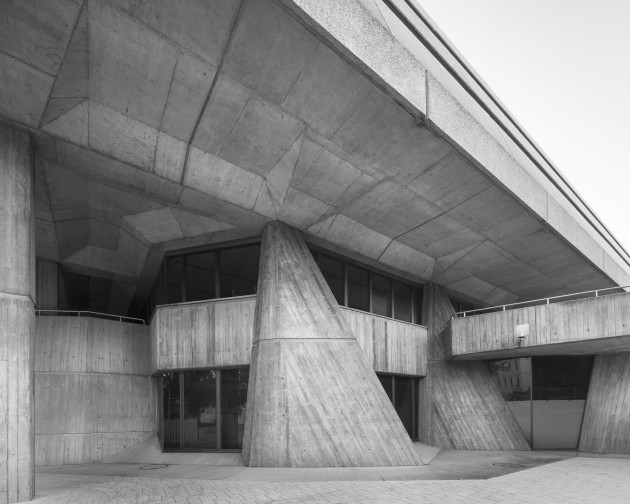
When I first picked up a DSLR, I was shooting with a Canon 10–22mm, which gave me roughly a 16–35mm full frame equivalent. Like many photographers starting out, I leaned heavily on wide angles to fit everything in. It worked well enough, until I started noticing their limitations.
The wider I went, the more distortion I saw, especially when pointing the camera upward. Buildings started leaning backwards and vertical lines began to converge. Software like Lightroom and Photoshop can fix this, but it comes at a cost. You lose image area and resolution, and you spend a lot of time correcting files afterwards.
At some point I realised I did not want to fix the image later. I wanted to get it right in camera. That is what led me to tilt-shift lenses.

What is a tilt-shift lens?
Tilt-shift lenses do two separate things. They allow you to shift the lens and they allow you to tilt it. These movements work independently of each other, which is what makes them so powerful.
Normally, when photographing tall buildings, you tilt the camera upward. That causes vertical lines to converge, which makes buildings look like they are falling backwards.
The shift function solves this problem.
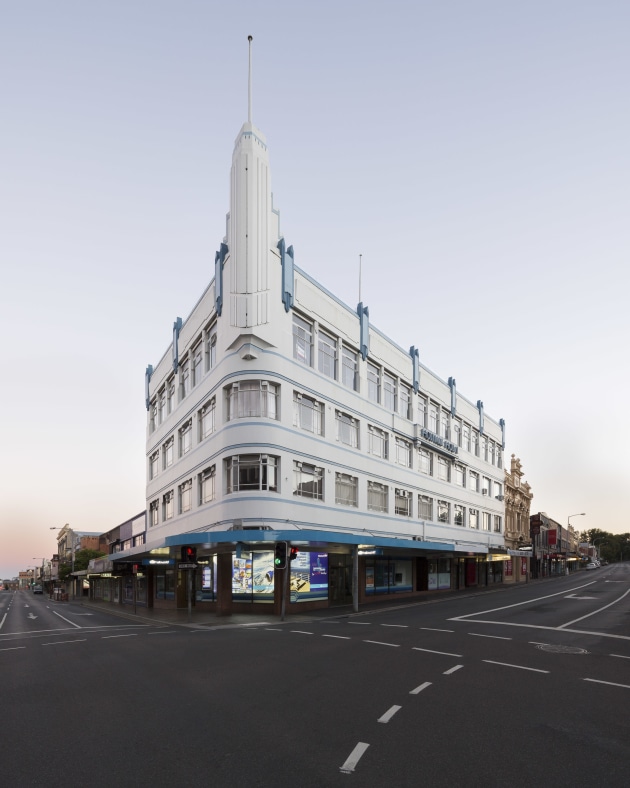
Instead of tilting the camera, you keep the camera level and shift the lens upward. You are effectively moving the framing without changing perspective.
The result is simple. Vertical lines stay vertical and the scene looks far closer to what your eye actually sees. It’s one of those tools that makes you wonder why you ever relied on software to fix it.
Tilt is where things become more creative.
Instead of relying purely on aperture to control depth of field, tilt changes the angle of the focus plane itself. This means you are no longer limited to a flat plane of focus parallel to the sensor, and you can angle that plane through the scene.
Sometimes this is technical, such as keeping foreground and background elements sharp without extreme apertures. Other times it is creative, producing selective focus effects or the miniature look that tilt-shift lenses are often known for. Used carefully, it becomes a way of directing attention inside the frame rather than just controlling blur.
Fit more in without going wider
One of the most common assumptions is that you need an ultra-wide lens to fit more into a scene. In practice, I rarely find that true.
Ultra-wide lenses change the character of a scene. A 16mm look is very different to a 24mm look, for example. It stretches space in a way that can feel unnatural depending on the subject.
With tilt-shift, I prefer staying at a more natural focal length and moving the frame instead of going wider. Because you are shifting the lens rather than moving the camera, you can also create seamless panoramas from a fixed position. This avoids parallax issues and makes stitching far cleaner.

The result is high resolution files that are ideal for large prints or heavy cropping. Another advantage is the ability to remove distractions in camera.
Because you can shift the lens vertically or horizontally, you can often avoid reflections, tripod shadows, or unwanted elements without cropping or cloning them later.
It changes how you approach composition. Instead of thinking about fixing problems later, you start designing them out of the frame while shooting.

Why not just fix it in software?
You absolutely can fix perspective and distortion in software, and for occasional use it works well. But there are trade-offs.
To correct perspective digitally, you usually need to shoot wider than necessary. That means cropping later and losing resolution. It can also introduce distortions that need further correction.
Tilt-shift lenses avoid that workflow entirely. You capture the corrected image at full resolution from the start. And while I still use Lightroom’s perspective tools, it’s only for minor adjustments rather than major corrections.
Popular Tilt-Shift Lenses on the Market
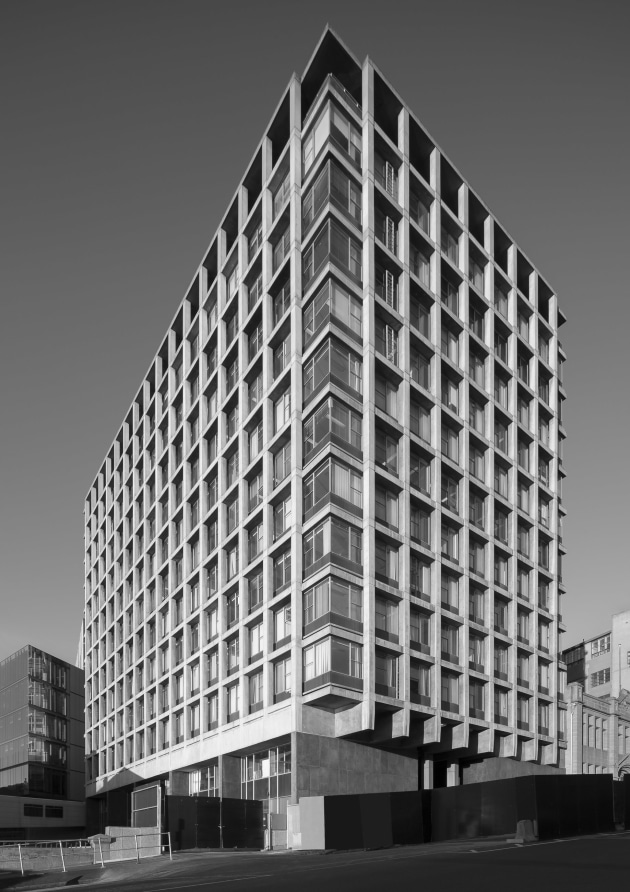
Tilt-shift lenses remain a niche but highly valued tool for architecture, interiors, landscape and product photography. While Canon helped popularise the category, recent years have seen strong competition from Laowa, Fujifilm and newer budget entrants.
Canon TS-E 24mm f/3.5L II
Often considered the benchmark architectural tilt-shift lens, the 24mm focal length strikes an ideal balance between wide coverage and natural perspective. It remains one of the most widely used lenses for professional architecture and real estate photography.
Canon TS-E 17mm f/4L
A favourite for photographing tall buildings and tight interiors, this ultra-wide lens offers dramatic coverage while allowing perspective correction in-camera.
Canon TS-E 50mm f/2.8L Macro
Combining tilt-shift movements with close-focus capability, the 50mm has become popular for product, food and commercial photography.
Nikon PC NIKKOR 19mm f/4E ED
Nikon’s flagship perspective-control lens is widely regarded as one of the sharpest tilt-shift options available, particularly for architecture and interiors. It remains a favourite among Nikon professionals.
Laowa 15mm f/4.5 Zero-D Shift
The widest shift lens currently available, offering extreme perspective control for architecture and interiors. Unlike traditional tilt-shift designs, it provides shift movement only.
Laowa 35mm f/2.8 Zero-D Tilt-Shift
A versatile modern option that combines tilt, shift and 0.5x macro capability. Recent reviews have highlighted it as one of the strongest all-round tilt-shift lenses currently available.
Fujifilm GF 30mm f/5.6 T/S
Designed for Fujifilm’s medium-format GFX system, the GF 30mm delivers exceptional image quality and extensive movements, making it a premium choice for architectural specialists.
TTArtisan TS 17mm f/4 ASPH
One of the newest and most affordable entrants, offering both tilt and shift functions across multiple mirrorless mounts. It has quickly become an attractive option for photographers wanting to experiment with tilt-shift techniques without the premium price tag.

The learning curve and why it is worth it
There is no denying that using these lenses feels a little unusual at first. Between shift movements, tilt adjustments, rotation, and manual focus, there is more going on than a standard lens. But it becomes intuitive quickly.
Once you understand what each movement is doing, it stops feeling technical and starts feeling natural.
These days I often shoot handheld using live view and focus peaking. What once felt slow now feels deliberate rather than restrictive.
Tilt-shift lenses are not essential for every photographer, but they do offer something quite unique. They allow you to solve perspective and focus issues optically rather than relying on software.
For me, that has changed how I work. Less time fixing images later, and more time focusing on the moment in front of the camera. They have also changed how I think about composition. Instead of treating the lens as a fixed view, I now think of it as something I can actively shape. And once you get used to that, it is hard to go back. ❂