

Keeping it constant: Understanding continuous lighting (Part one)
Many years ago, back before I owned studio flash lights, a friend suggested I use his video light to make his portrait for a political poster. Everything was going fine until I moved the light – and it exploded with a huge bang.
Not only did it scare the proverbial out of us, but shards of hot glass burnt my friend’s carpet. He got a new carpet on insurance and went on to have a very successful career in New Zealand politics, while I walked away with a very healthy respect for video lights.
At the time, lights used in the film, television and video industries were extremely expensive, very delicate and they generated so much heat that they would sometimes melt props and even start fires.
Over recent years though, LED lights have become the new standard for film and television lighting, and aside from being far more robust and a lot cooler to work with, these lights are also more affordable; a good entry-level LED light now costs as little as $400.
But why, as a photographer, am I talking about video lights and constant (aka continuous) lighting? For one thing, like a lot of professional photographers, some of my clients now want me to capture video as well as photos for them, so constant lighting has become an essential part of my kit.
But constant lights can also do things that your flash can’t, which is why many photographers are now turning to constant LED lights for their creative photography.

Flash vs Constant Lights
As most of you know, a flash creates an exceptionally short pulse of light that is synchronised to your camera’s shutter and it is perfect for freezing motion. The problem with flash though, is that it can be difficult for photographers to anticipate what effect a flash will have on a subject.
To solve this problem most studio flashes do have a modelling light built in to help you pre-visualise how the flash will illuminate the subject, but modelling lights are not very bright.

By comparison, a good LED light can be many times brighter than a modelling light, and that makes it easier to see how the light is working with your subject. What you see is what you get!
The other big advantage with constant light though, is that it lets you get creative with shutter speeds. With a bright LED light you can easily make photos handheld using a fast shutter speed, but if you dim the light down (or lower your ISO) you can also use slow shutter speeds to capture motion blur.
Most photographers will use a tripod to make these photos, but some photographers will often shoot handheld with slow shutter speeds to get even more creative effect.
Form and Function
If you visit a camera shop’s website and search for “continuous lighting” you’ll discover there are dozens, if not hundreds of LED lights available, from $30 pocket sized lights through to $12,000 LED lights that can illuminate a small stadium. The first thing you should appreciate when exploring the options though, is that LED lights come in many different shapes and forms.
One older, more common type of LED lighting are LED Light Panels; these use hundreds of traditional LEDs mounted onto a large flat panel to create a relatively bright, soft light. LED panels are popular with videographers, but because they don’t easily accept light modifiers they are not very useful for photographers.

That being said, small battery powered LED panels can be very useful for macro photography. Not only can they illuminate a subject or provide fill light in outdoor macro situations, but the continuous light also makes it easy to focus on tiny subjects.
A new take on light panels are flexible LED panel lights that have LEDs woven into a fabric. Being flexible allows these panels to wrap inwards towards a subject, or outwards to broaden the light on a scene.
Flexible panels come in a variety of sizes and their slim, lightweight form makes them ideal for use in small studio spaces.
Another lighting type that uses conventional LEDs are light tubes and light wands. Tubes and wands are useful in a studio for adding slices of colour to a setting, but many landscape photographers also use LED wands to add light and colour to their nightscapes and astro photos.
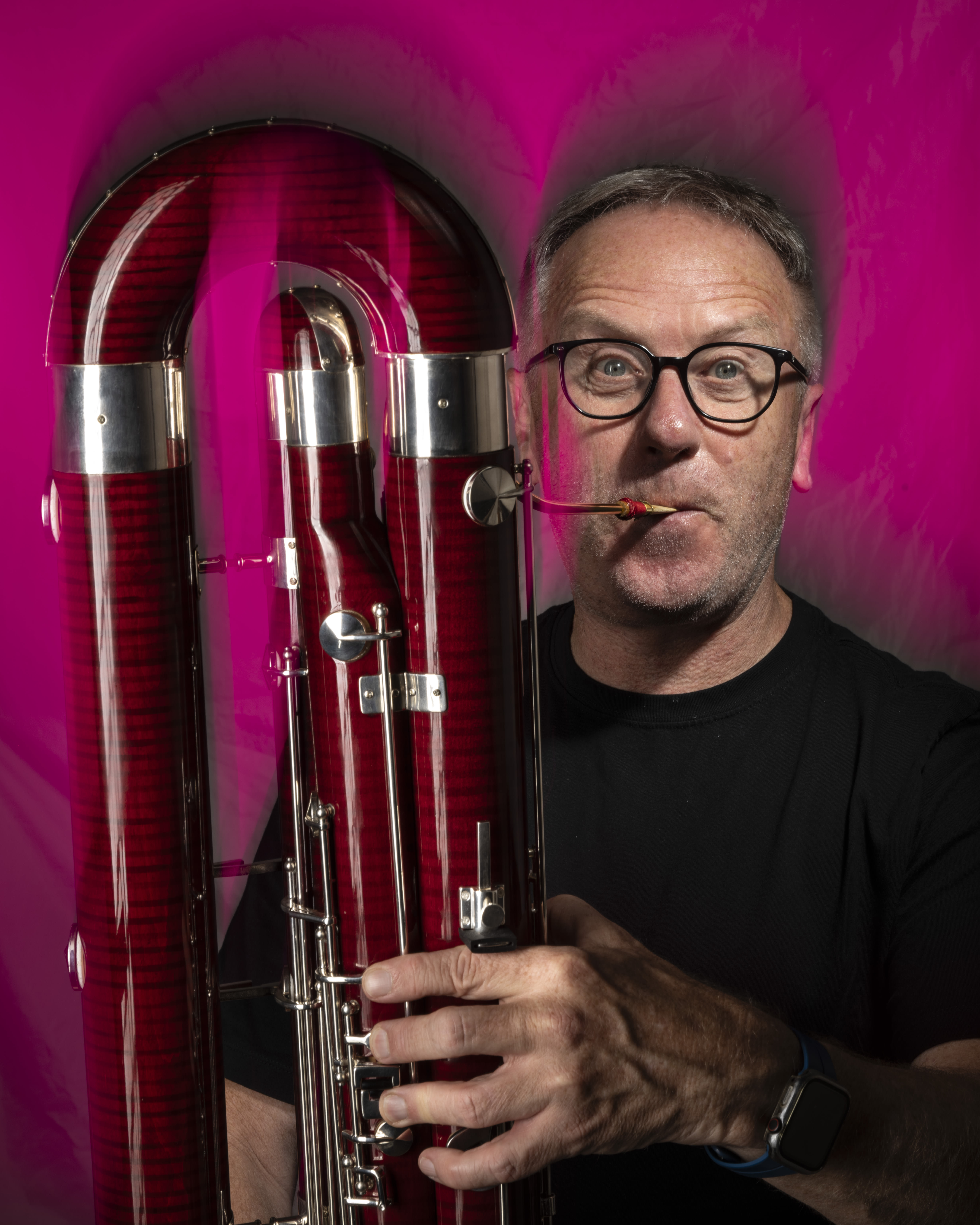
Perhaps the most useful LED light for photographers though, are monolight style LED lights that are very similar in their styling to monolight flash units. These monolights use a COB (Chip On Board) light technology that is basically a small 8cm-wide silicone wafer packed with thousands of tiny LEDs.
Not only is the light exceptionally bright but the small form factor of the head means that modifiers can be used with these lights, including various reflectors, umbrellas and soft boxes. Many monolight style LED lights also accept the ubiquitous Bowens range of modifiers.
Look out for part two next week.