Five overlooked ways to strengthen your Photographer of the Year entry

Comments Comments

With entries now open for our flagship photo competition Photographer of the Year presented by Ted's cameras, many photographers are already sorting through hard drives, refining edits and deciding which images deserve a place in their submission.

Most advice we've given in the past focuses on the basics: choosing your sharpest images, follow the category guidelines and submitting before the deadline. Of course these things are important, but there are a few lesser-known ways to make your entry stronger.

Here are five tips that are easy to overlook.

People category winner, Lodi Pertovt, The faces of Iraq. Based on the Gold Coast, Lodi Pertovt is a travel and portrait photographer who also teaches English Literature and Social Studies. He describes his powerful People category-winning series The Faces of Iraq as deeply personal.“Each photo captures small but significant details that tell the story of people who risk being forgotten or misunderstood,” he says.

1. View your images as a collection, not individually

It is natural to judge photos one at a time, but it's not how the judges experience them during the selection process.

Create a folder with your 20 or 30 strongest images and view them as thumbnails. Patterns quickly emerge. You may discover you have chosen several images with almost identical compositions, colours or subjects.

A varied selection often makes a stronger impression than a group of technically similar photographs, and building a coherent portfolio is key in this competition. Check out our article on it here. 

Travel category winner, Fiona Bowring, Accidental mirrors
Travel category, Winner, Fiona Bowring, Accidental mirrors. Canberra-based photographer Fiona Bowring’s quirky series Accidental Mirrors is the result of a bunch of visits to galleries in Australia and the UK. The series includes a self-portrait taken with the help of a gallery bench and a self-timer.

2. Revisit the images you nearly deleted

Not every successful competition image grabs your attention immediately, and some photographs need time before their strengths become obvious.

An image that seemed unremarkable six months ago may now reveal subtle storytelling, atmosphere or emotion that you overlooked while concentrating on technical perfection.

Before you finalise your entry, spend some a bit of time looking through older folders. You might be surprised by what catches your eye.
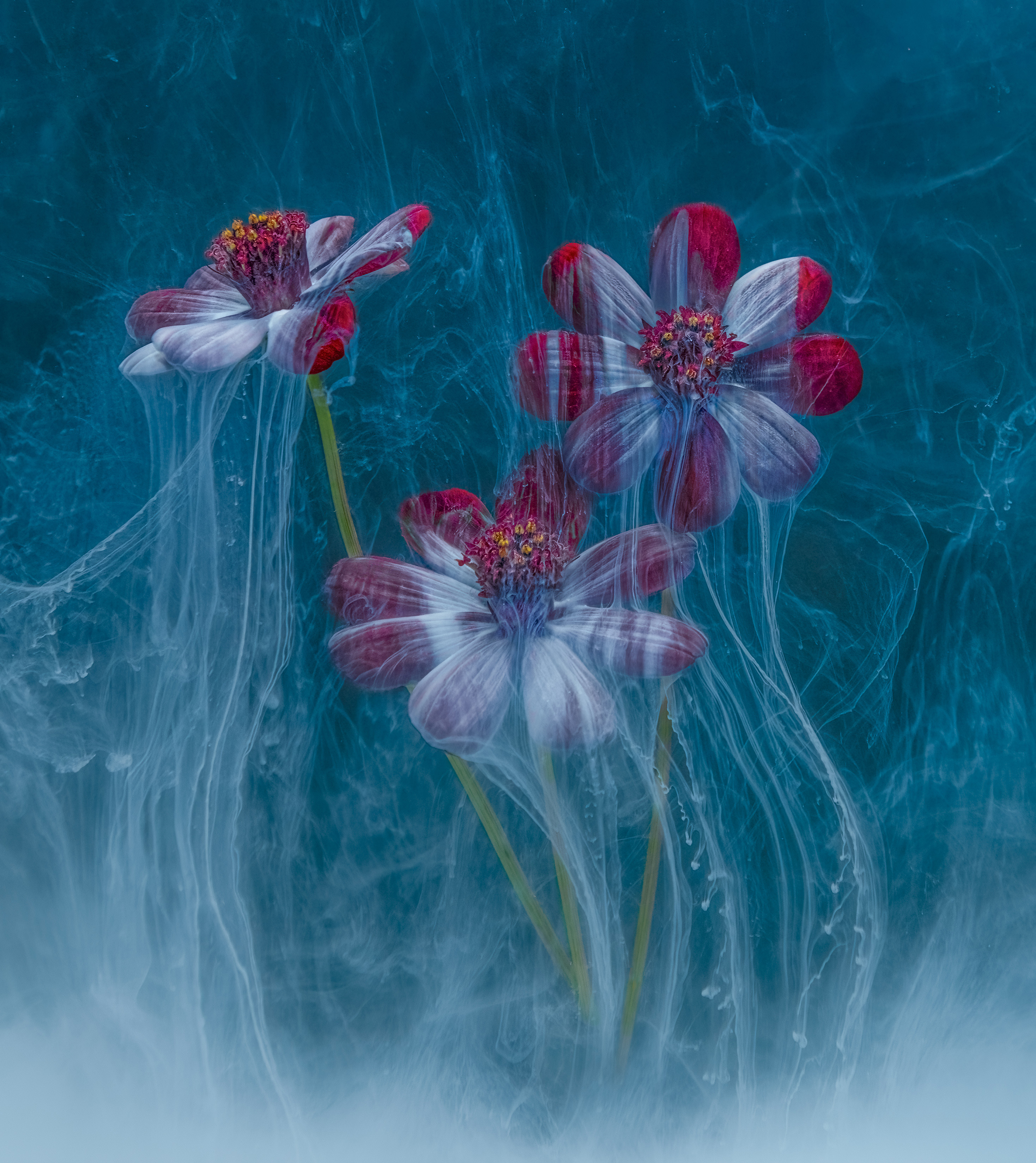
Creative category winner, Sue Joy, Dancing in water. Submerged floral photography comes with many considerations, from equipment and lighting to the mediums used and all the small details in between.“The choice of flowers is also important, as some don’t work as well as others,” Sue explains. “I grew the flowers featured in this image specifically for the project. Be prepared for a few failed attempts, but when you finally capture an image you’re truly happy with, every bit of effort is worthwhile.”
Creative category winner, Sue Joy, Dancing in water. Although Photographer of the Year is primarily a portfolio competition, it does have single image categories, including Creative, which has few restrictions on image editing. Submerged floral photography like that of 2025 winner Sue Joy's shot comes with many considerations, from equipment and lighting to the mediums used and all the small details in between.“The choice of flowers is also important, as some don’t work as well as others,” Sue explains. “I grew the flowers featured in this image specifically for the project. Be prepared for a few failed attempts, but when you finally capture an image you’re truly happy with, every bit of effort is worthwhile.”

3. Print your finalists

You do not need large, expensive prints to evaluate your work.

Even a handful of inexpensive 6x4-inch prints spread across a table can reveal things you might miss on a screen. Cropping issues, heavy-handed editing and distracting backgrounds often become much easier to spot in print.

It is also easier to compare images side by side than constantly switching between files on a monitor.

Landscape category, Runner-up, Paul Collis, Uluru in monochrome. Paul's series was captured in May 2025, on his first visit to the iconic site. “I challenged myself to move beyond the familiar reds, and capture something quieter: Uluru’s strength and stillness,” he explains.

4. Ask for targeted feedback

Ok, I think we've shared this point before, but it's worth reiterating. While sharing your work with friends or fellow photographers can be valuable, you should avoid asking, "What do you think?"

Instead, ask specific questions such as:

  • Which image would you remove?
  • Which photograph holds your attention the longest?
  • Does one image feel noticeably weaker than the others?

Focused questions usually lead to more useful feedback than general opinions.
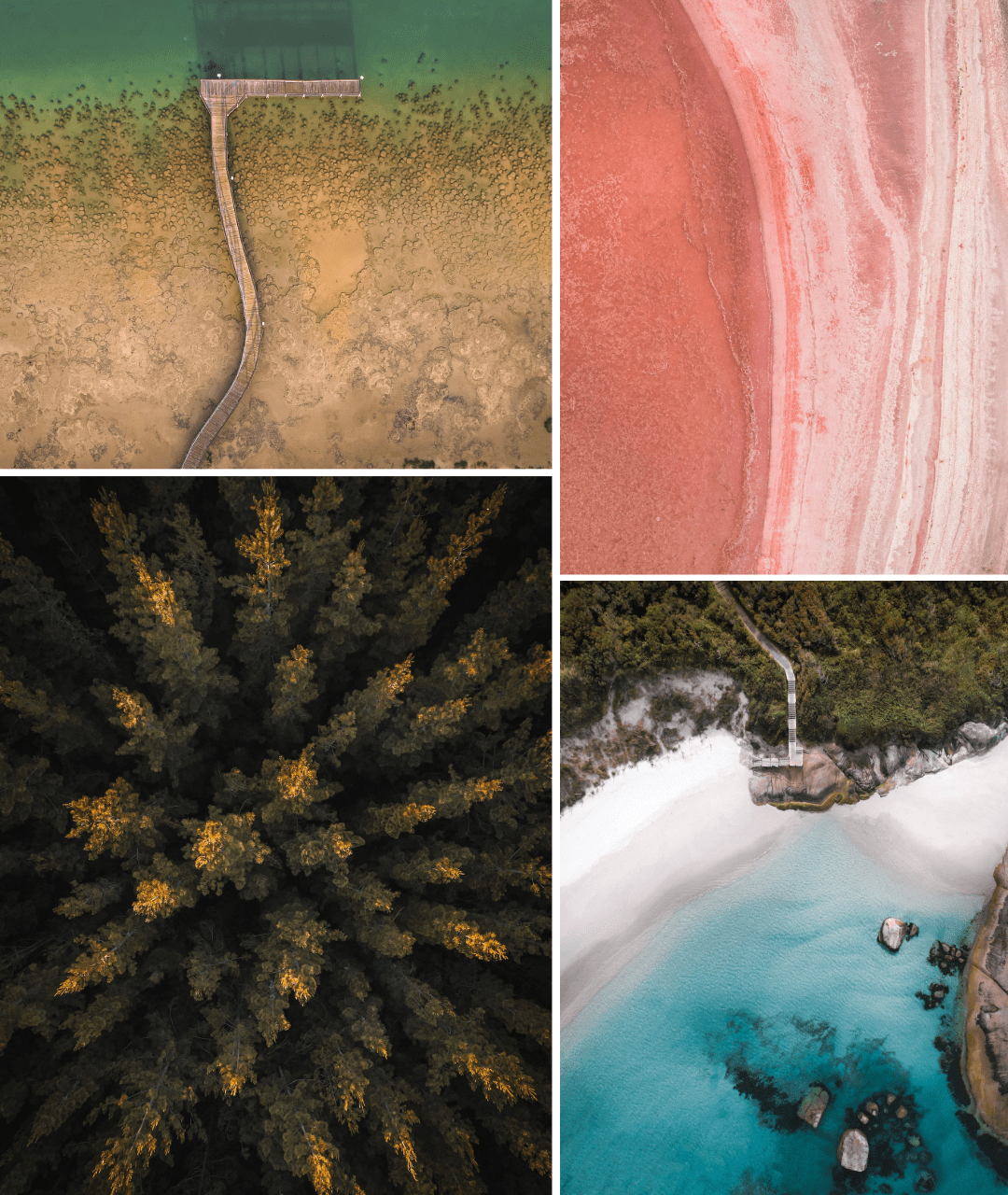
Aerial category, Runner-up, Rachel Jane Panekoek, Southwest textures. Rather than entering four images that tie together visually, Rachel says she sought to showcase four completely different landscapes, while still keeping them tied together through the connection of sharing the same region in south Western Australia. Her series includes images of Cranbrook Pink Lake, Lake Clifton Thrombolites, Greens Pool and Dwellingup Forest – providing viewers with a mini tour of the region from above.

5. Give yourself time before submitting

One of the easiest mistakes to make before a competition deadline is continuing to edit an image simply because there is still time.

Extra contrast, more saturation and another round of sharpening can quickly take a good image too far.

Once you think an image is finished, leave it for a day or two before making any final adjustments. Looking at it with fresh eyes often confirms that it needed fewer changes than you first thought.

Competition success rarely comes down to one editing tweak. More often, it comes from careful image selection, thoughtful presentation and knowing when to stop. A fresh look before you hit submit could make all the difference.

Photographer of the Year is open for entries now. 

comments powered by Disqus