Astronomy Photographer of the Year shortlist revealed
The shortlist for the 2026 ZWO Astronomy Photographer of the Year competition features images of nebulae, the Milky Way, meteor showers and other unique astronomical events.
Run by the Royal Observatory Greenwich and in association with BBC Sky at Night Magazine , the competition attracted almost 4,000 entries from amateur and professional photographers in 66 countries.
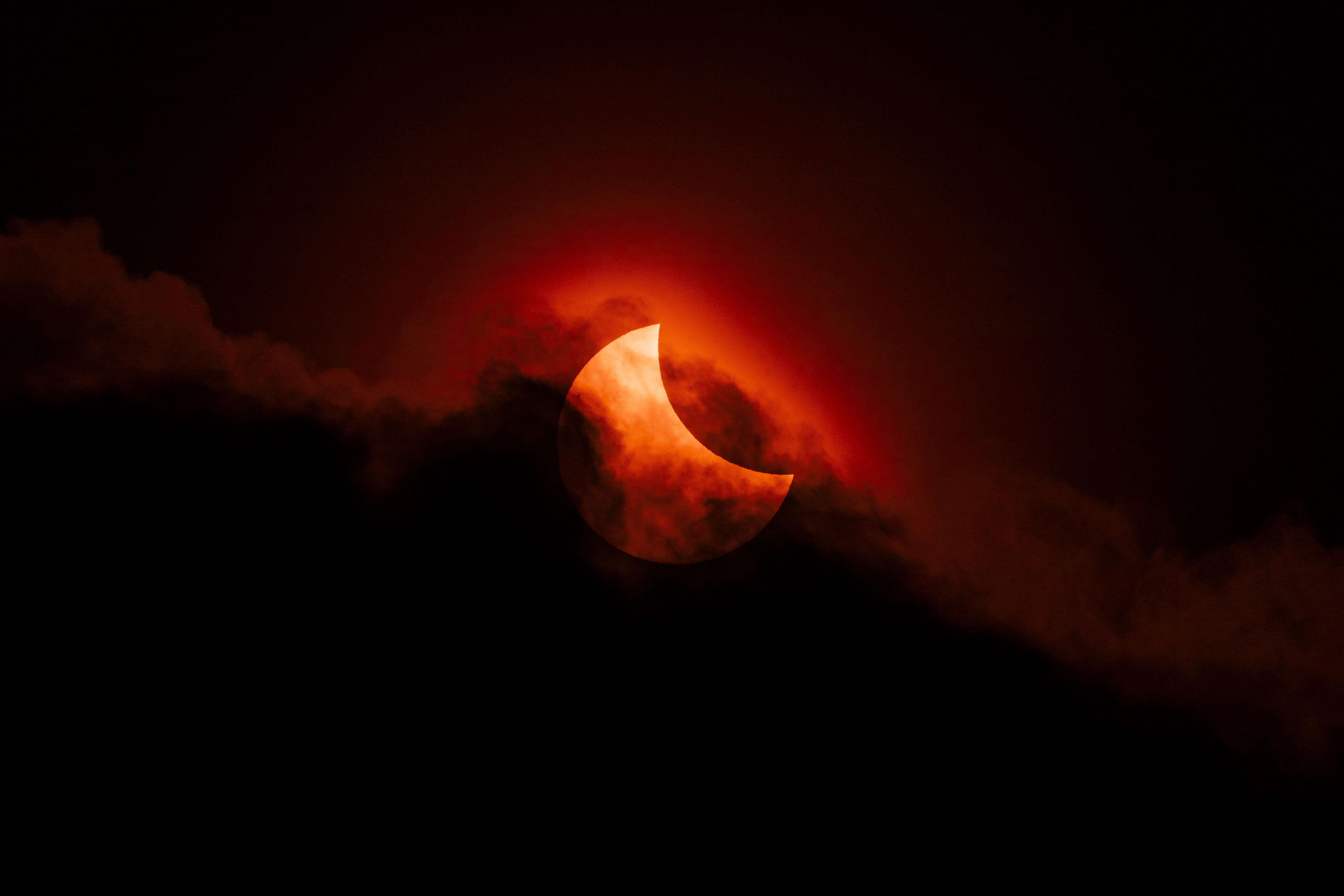
Moody Partial Solar Eclipse © James McBeath (UK). Here, the partial solar eclipse of 2025 was shot through fast-moving clouds on what was a beautiful spring morning. James McBeath spent several hours in a local park tracking the eclipse with his camera, showing many passers-by what he was doing and giving them a good view of the eclipse. McBeath ended up with hundreds of shots, but this one, with the clouds framing the Sun perfectly, immediately caught his eye. Taken with a Sony ILCE-7 camera, Canon EF 300 mm USM lens with 2x teleconverter, Sky-Watcher Star Adventurer Mini mount, Pig Iron 720-nm R-72 Infrared filter, 600 mm f/18, ISO 100, 1/3,200-second exposure.
Other shortlisted images include the first full Moon of 2026 above the Paris skyline, and a photograph of cherry blossom trees along Japan’s Funakawa River.
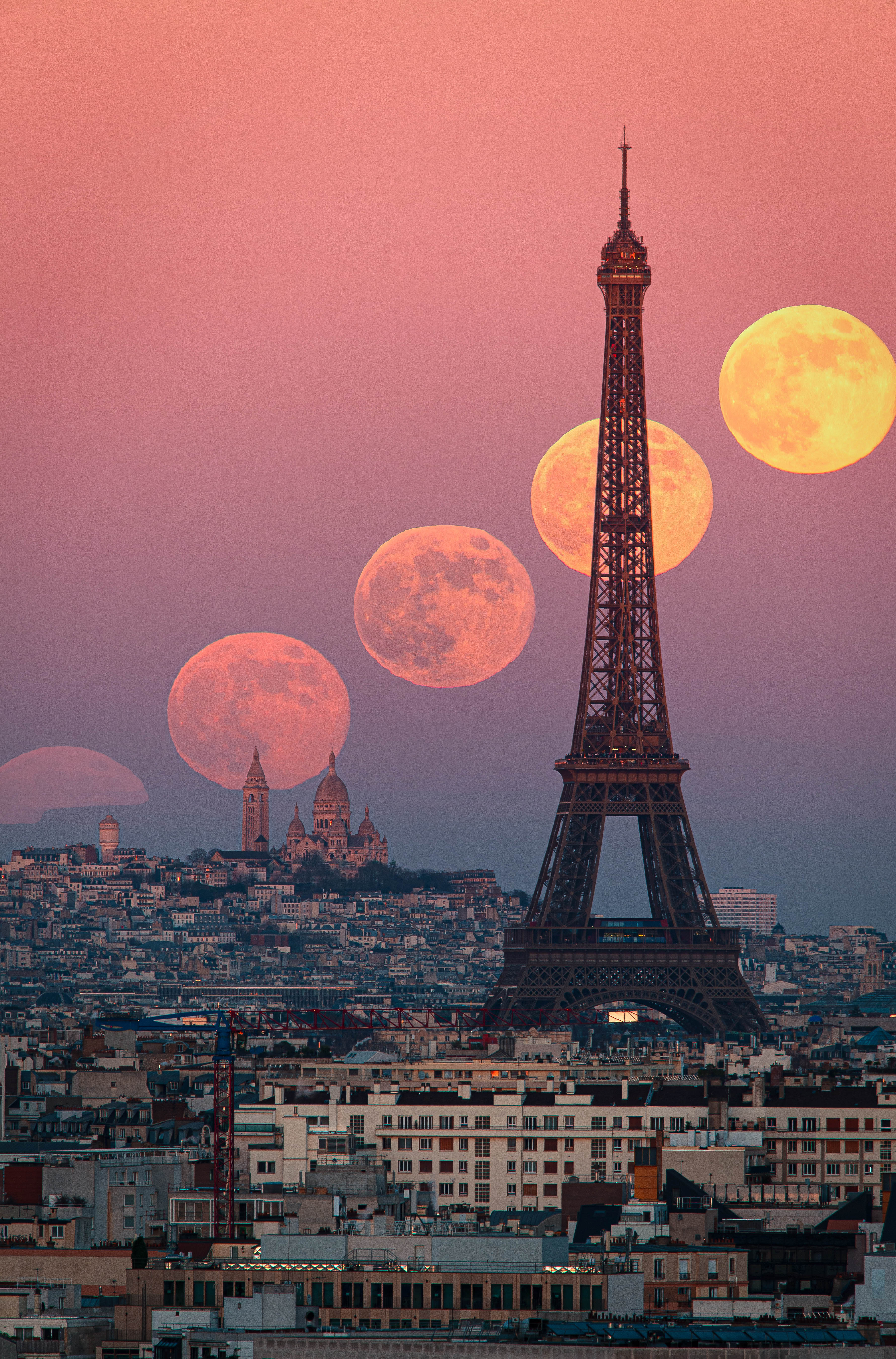
Supermoon Path Over Paris at Sunset © Martin Giraud (France). Martin Giraud chose to photograph the first Full Moon of the year over the Paris skyline. The Eiffel Tower was 6.3 km (3.9 miles) away from their position, and the Sacré-Cœur Basilica was 11.1 km (6.9 miles) away. This explains why the Moon appears so large in the frame. The location offered the perfect alignment between the buildings and the rising Moon. The Moon rose just before sunset, allowing Giraud to capture the vivid colours and Belt of Venus [a pinkish band of light visible at twilight] in the background. Taken with a Canon EOS 6D camera, Sigma 150-600 mm lens, 500 mm f/8, ISO 100, 1/60-second exposure.
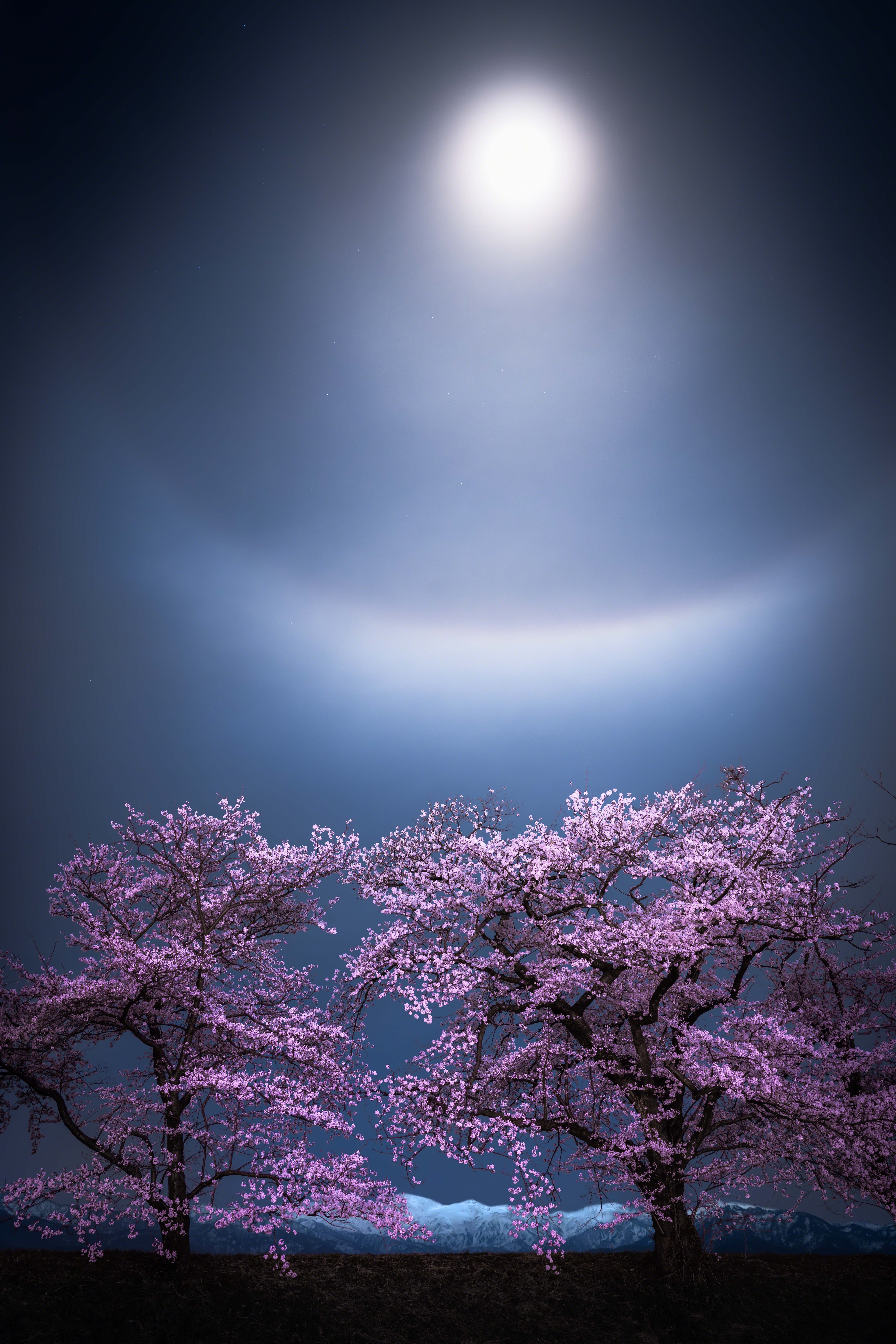
Setsu-getsu-ka © Takanobu Kurosaki (Japan) ‘Setsu-getsu-ka’ is a traditional Japanese expression that means ‘snow, moon and flowers’. This photograph captures that trio at the Funakawa River by framing Mount Asahi – Asahi’s symbolic peak – and cherry blossom trees under a lunar halo and a rare, faint tangent arc [optical phenomena caused by the refraction of moonlight through ice crystals in clouds]. The blossoms last for only about 10 days, making their synchronisation with the snow-capped mountain and these atmospheric optics a once-in-a-season miracle. To emphasise the fragility of the scene, Takanobu Kurosaki captured this as a single exposure rather than a composite. Taken with a Sony ILCE-7RM5 camera, Sony FE 24–105 mm f/4 G OSS lens, 29 mm f/4, ISO 800, 6-second exposure.
Now in its 18th year, the competition is judged by a panel drawn from the fields of art and astronomy. Awards will be presented across nine categories, alongside two special prizes and the overall competition winner.
The winners will be announced on 17 September, with the winning images going on display at the National Maritime Museum in London from 18 September as part of an exhibition featuring a selection of shortlisted photographs.
You can see a selection of the shortlisted shots below.
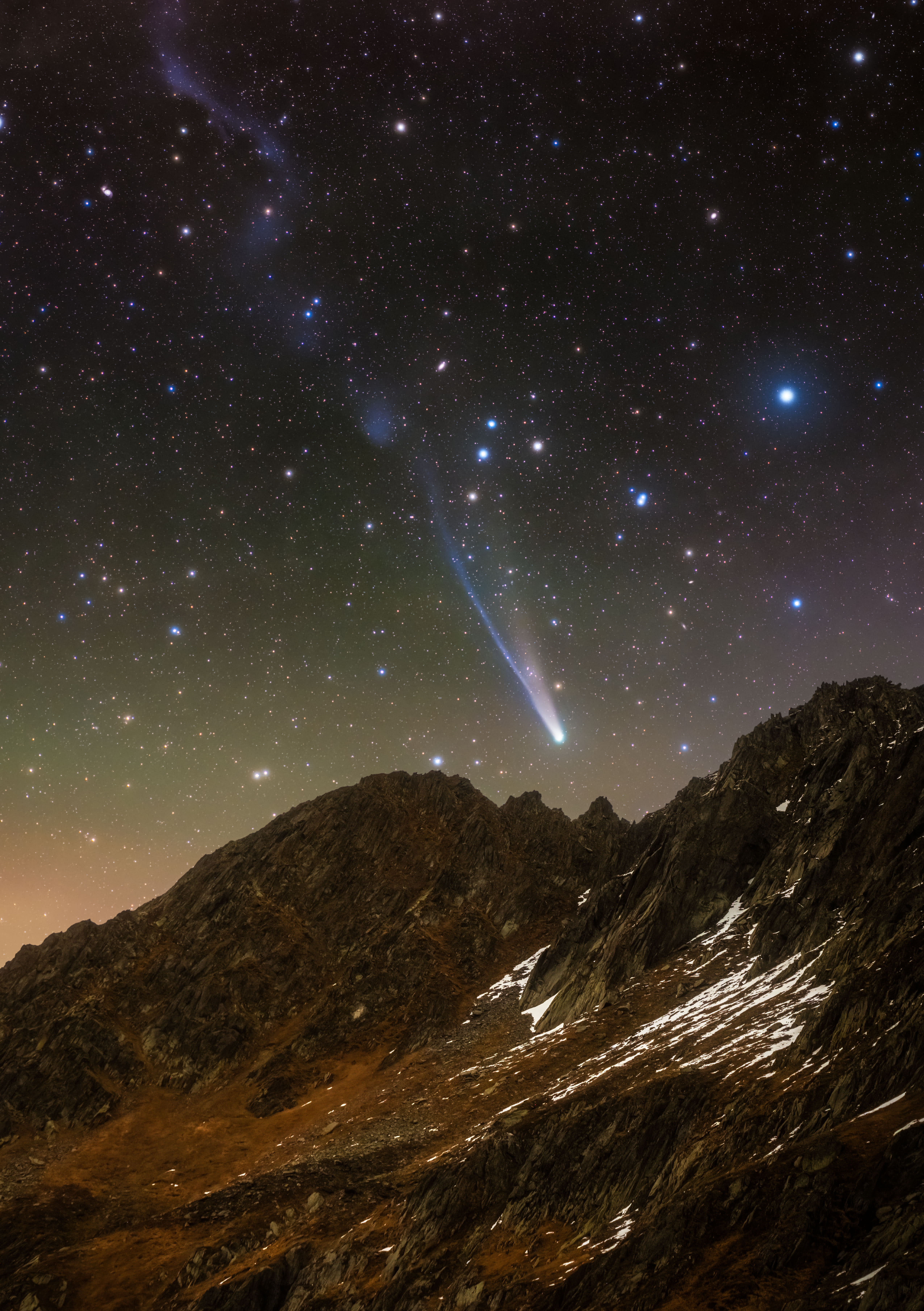
Comet C/2025 A6 (Lemmon) Over the Swiss Alps © Jakob Sahner (Germany). This photograph shows Comet C/2025 A6 (Lemmon) in the early hours of the morning. Jakob Sahner drove deep into the Swiss Alps to make the most of the last clear night before the new Moon cycle. The landscape was breathtaking and made a perfect foreground for the comet. Taken with a Nikon Z 7 camera, Move Shoot Move Nomad star tracker, TTArtisans AF 85 mm f/1.8 lens, 85 mm f/2.2, ISO 800, Foreground: 120-second exposure; Sky: 38 x 30-second exposures.
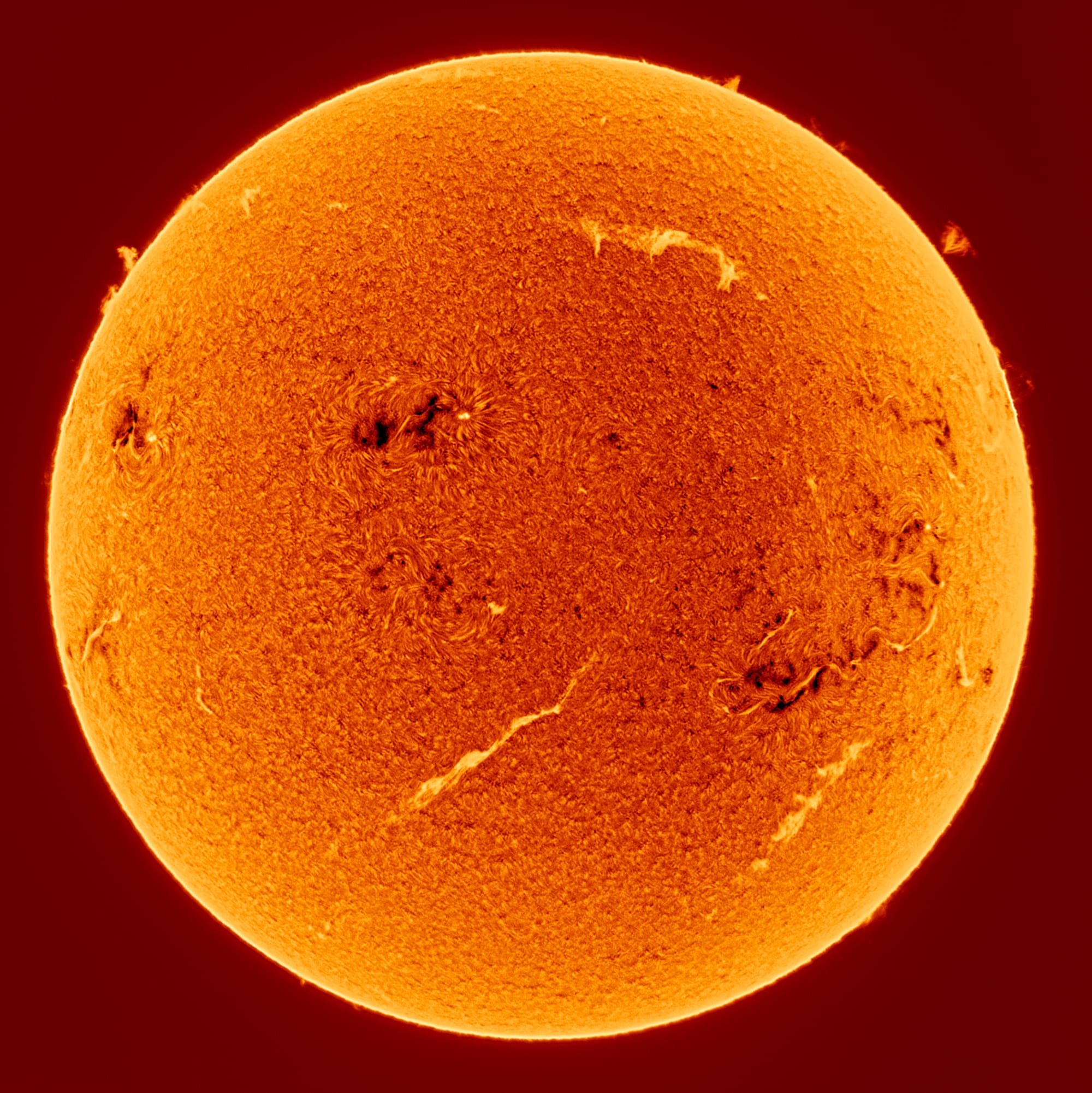
Dancing Flames © 与晨 林, aged 14 (China). This high-resolution H-alpha image of the Sun’s chromosphere was captured from the photographer’s home in decent seeing conditions. It reveals intricate surface details, including sunspots, solar flares, filaments and prominences along the solar limb. Taken with an Acuter Elite Phoenix 40 H-Alpha solar telescope, ZWO AM5 mount, ToupTek G3M678M camera, 400 mm f/10, 1,000 x 10-millisecond exposures.
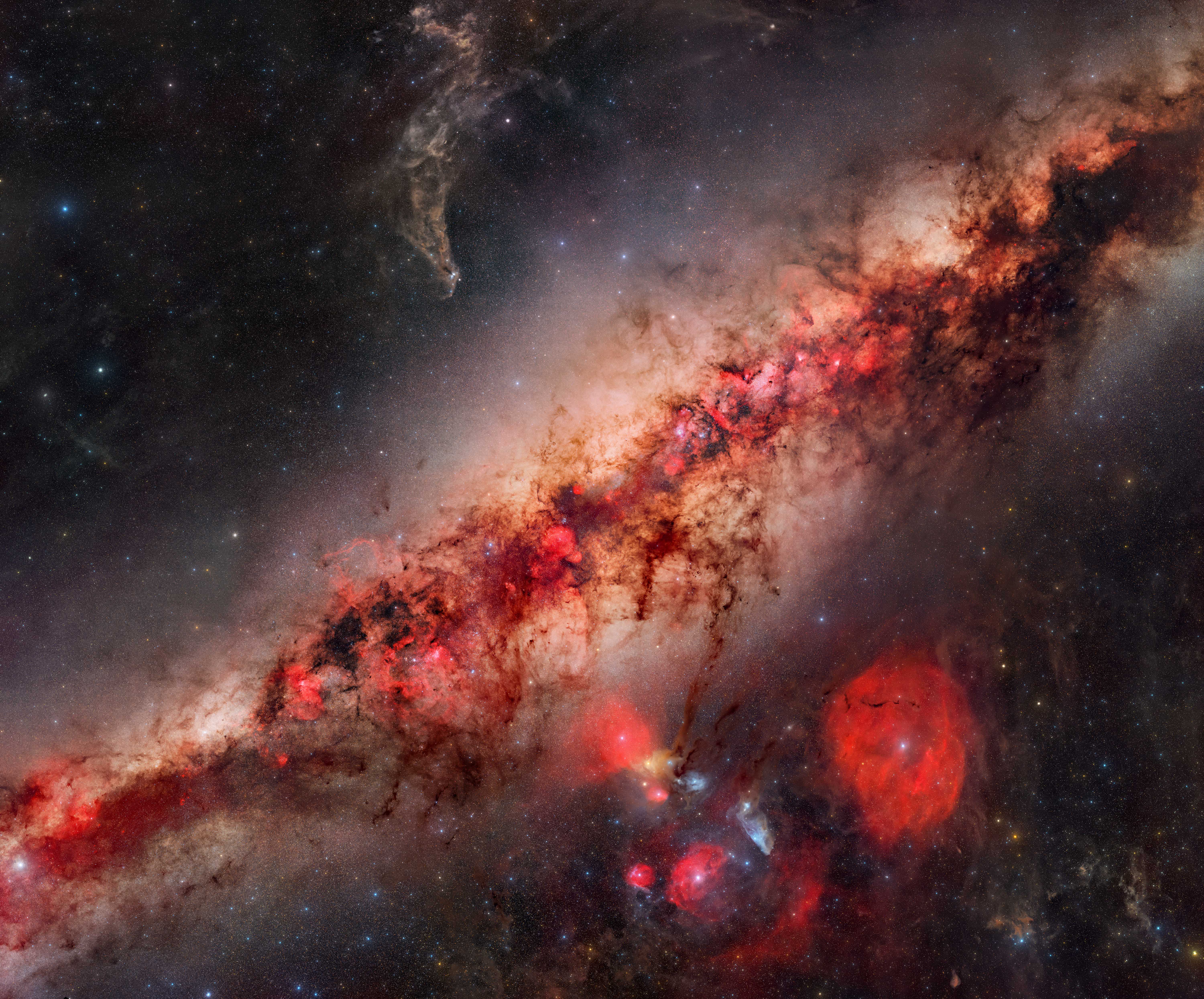
A Deep Look Into the Milky Way's Core © Jakob Sahner (Germany). This Milky Way mosaic was captured using two cameras – one for RGB colour and one for H-alpha – to record as much detail and structure as possible. The project nearly fell apart when unexpected Newton’s rings (an optical phenomenon that can occur when working with filters) appeared in many of the panels after stacking. Jakob Sahner considered abandoning the entire dataset, but eventually found a way to correct most of it and preserve the image. In the end, it became a roughly 750-megapixel mosaic. Taken with a Sony Alpha 7 III and Nikon Z 6 cameras, Samyang 135 mm f/2 lens, Sky-Watcher Star Adventurer GTi mount, 135 mm f/2, ISO 1600, 1,950 x 90-second H-alpha exposures, 2,182 x 90-second RGB exposures.
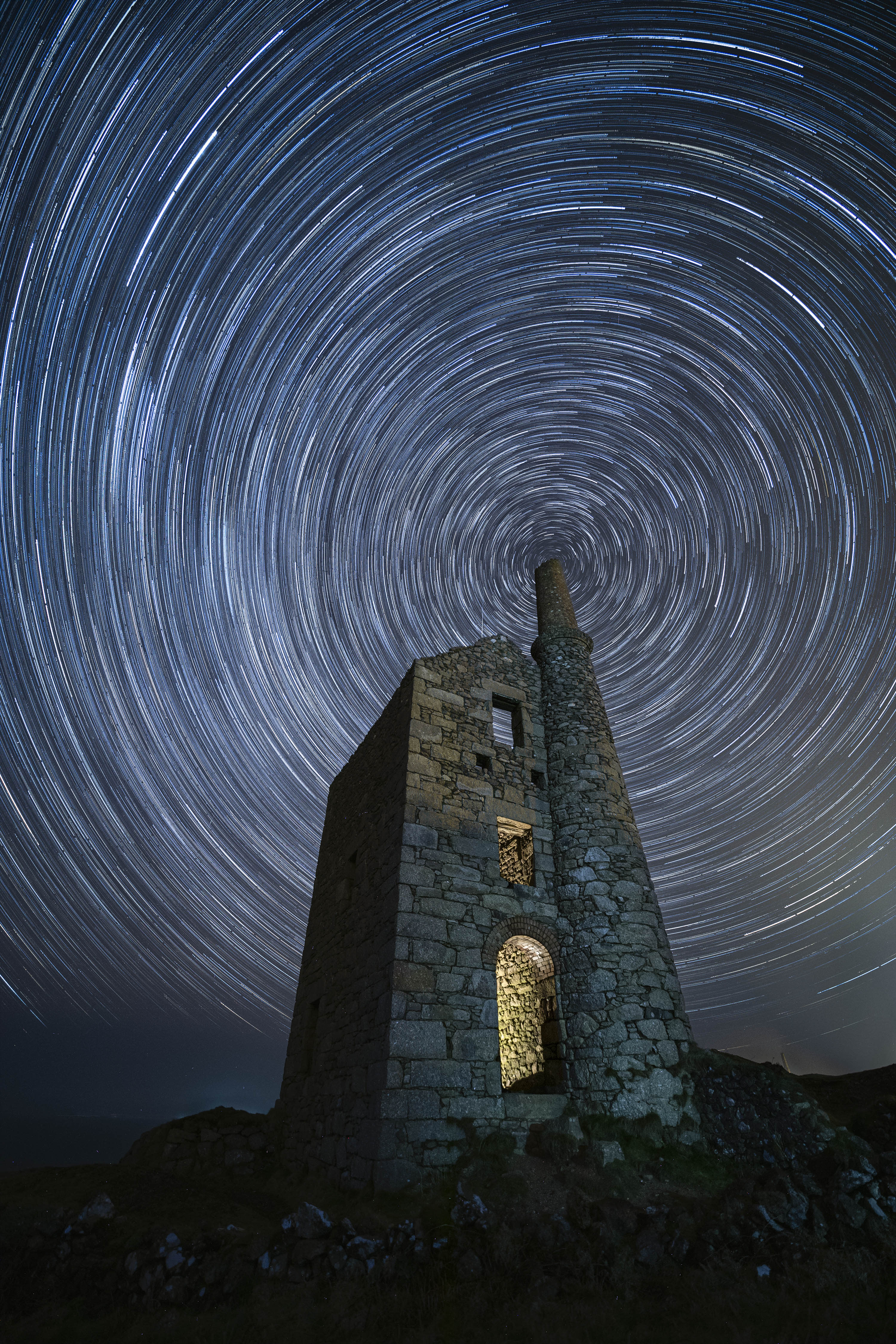
Vortex © Jennifer Rogers (UK). This image of a star trail aligned with the chimney of the former tin mine Wheal Owles in Cornwall was taken on a cold night in February. Jennifer Rogers took time to position Polaris directly above the chimney in the composition. Taken with a Canon EOS 5D Mark IV camera, 14 mm f/2.8, ISO 1600, Foreground: 1 x 60-second exposure; Star trail: 72 x 60-second exposures.
The Crimson Vortex and Sapphire Blossoms of Andromeda © Chuhong Yu and Zuoming Wang (Both China).
Taken with a Sky Rover 130 mm APO Pro telescope, ScorpioAstro 50-mm LRGB and 7-nm H-alpha and OIII filters, Sky-Watcher AZ-EQ6 PRO mount, QHYCCD QHY600PH-M SBFL (short back focal length) camera, 910 mm f/7, 111 hours and 25 minutes total exposure.
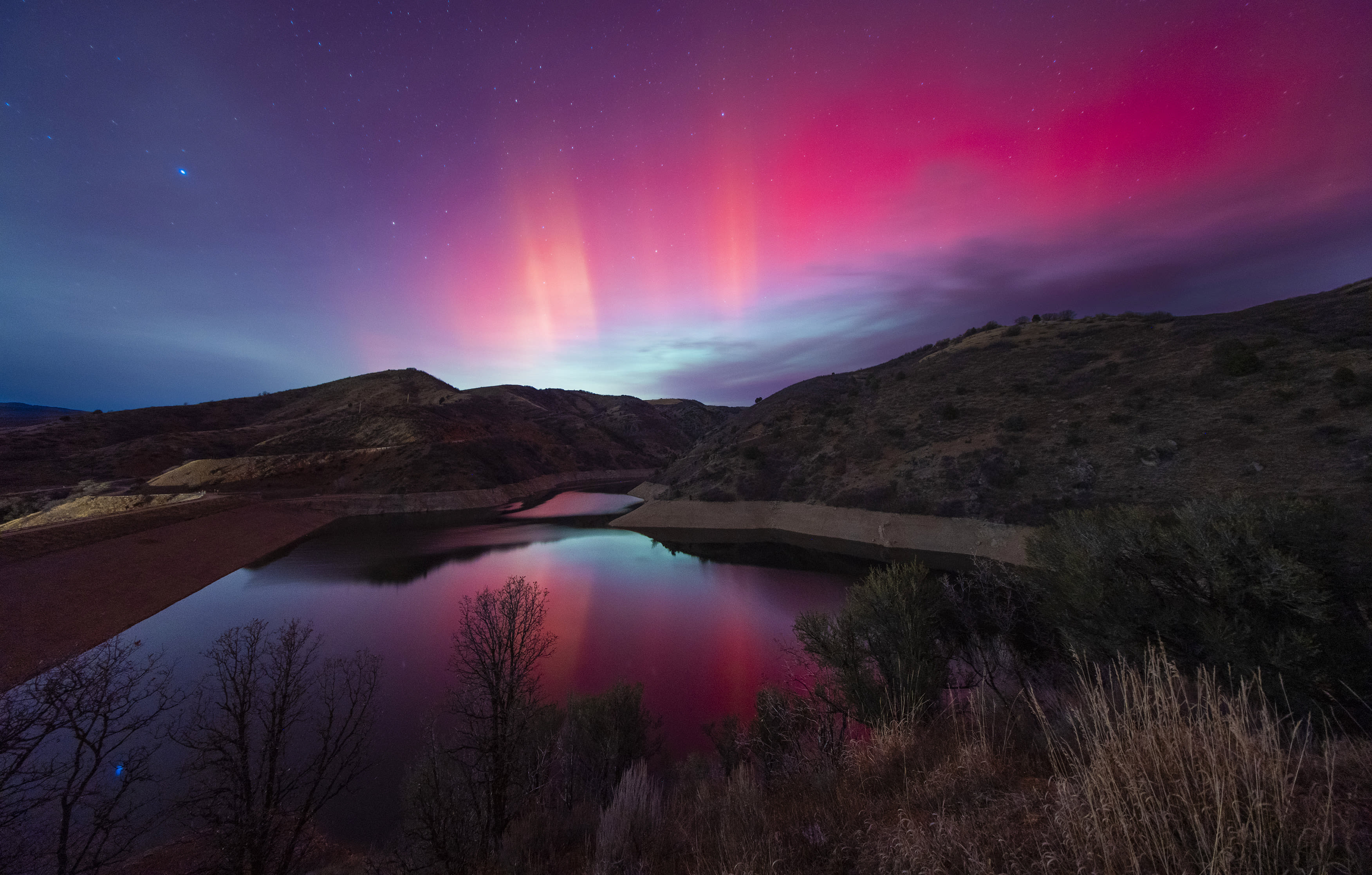
Aurora Over Causey Reservoir © Samuel Morse (USA). This stunning aurora shot is a straightforward single-frame image with no compositing or other alterations. The colour balance was pushed slightly towards blue to enhance vibrancy and create colours that complemented the red in the sky. Taken with a Sony ILCE-7M4 camera, tripod, Laowa AF 10 mm f/2.8 Zero-D lens, 10 mm f/2.8, ISO 1600, 30-second exposure.
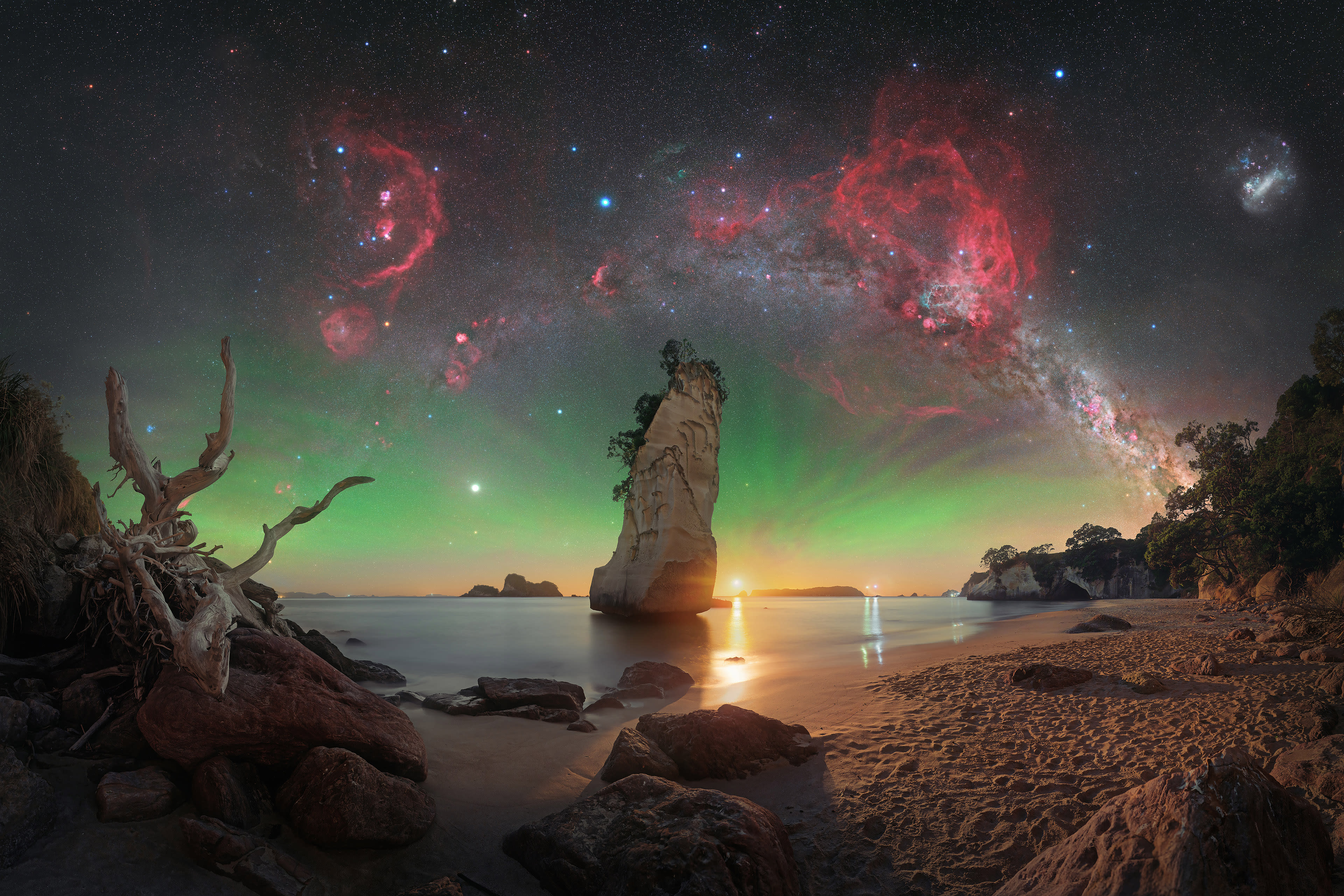
Te Hoho Rock Moonrise © Evan McKay (Aotearoa/New Zealand). On this particular night, Evan McKay had only a small window to capture the sky before the Moon started to rise. McKay polar-aligned his mount during twilight and then began shooting the sky panorama from this location. The moonlight provided the best of both worlds and did a fantastic job of lighting up the foreground. To enhance the sky, McKay captured a separate panorama using a dual narrowband filter and blended it in to bring out the nebulae. Taken with a Nikon Z 6a camera, Sky-Watcher EQ6-R Pro mount, Move Shoot Move Nomad star tracker, Sigma 40 mm Art lens, Optolong L-Para filter, 40 mm, Foreground: f/2.8, ISO 800, 30-second exposure; Sky: f/2, ISO 1600, multiple 15-second RGB exposures, multiple 2-minute exposures with filter.