Sony RX10V review: Big reach, one camera
Anyone who’s been into photography for a while, whether as an everyday enthusiast or a professional, can find themselves doing the same things over and over.
Losing the creative spark in this way can leave you stuck in a rut, and going through the motions.
One of the main reasons many of us got into photography in the first place was that it was fun. But when we’re no longer having fun with our cameras, it’s worth mixing things up and trying something new.
For the birds
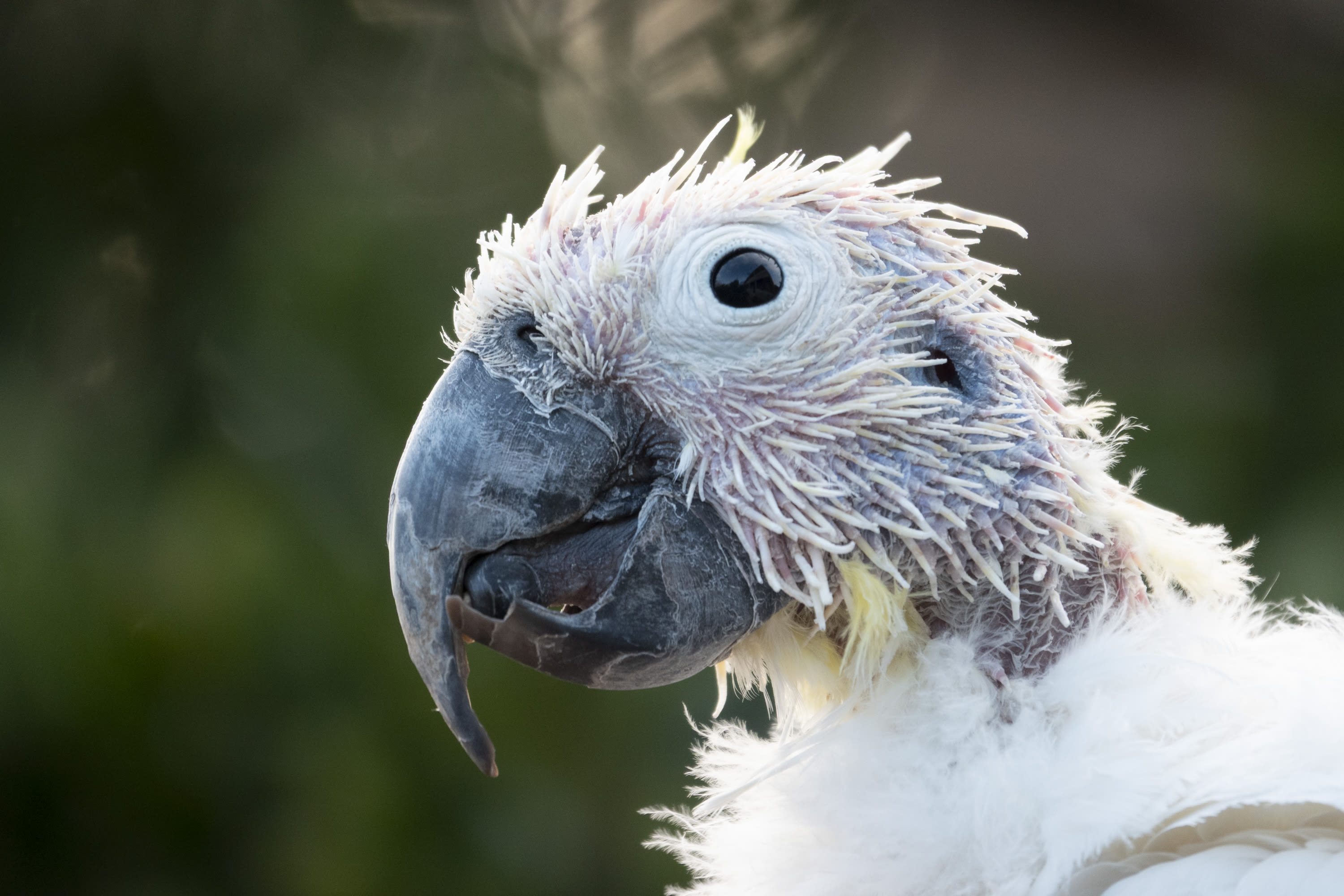
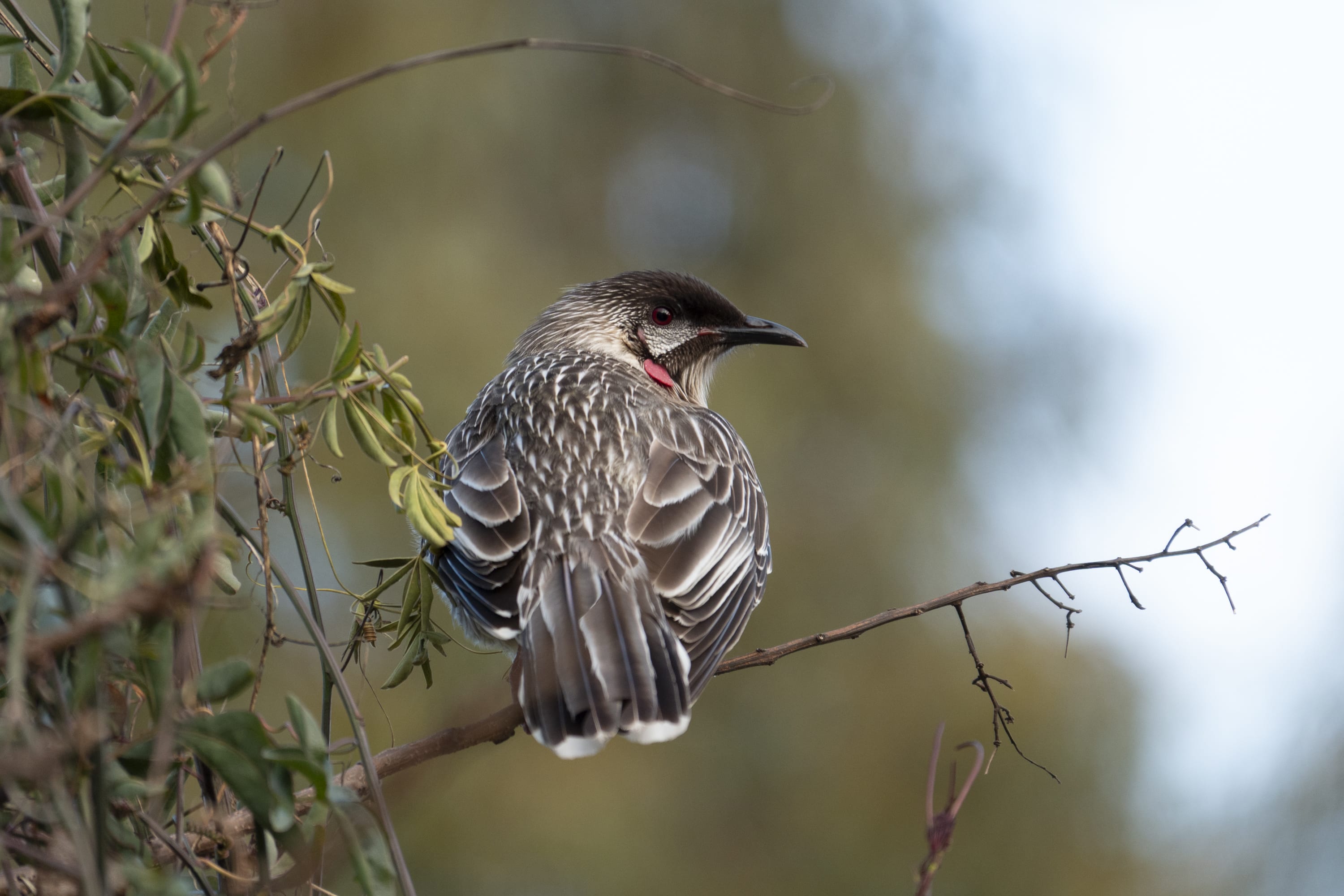
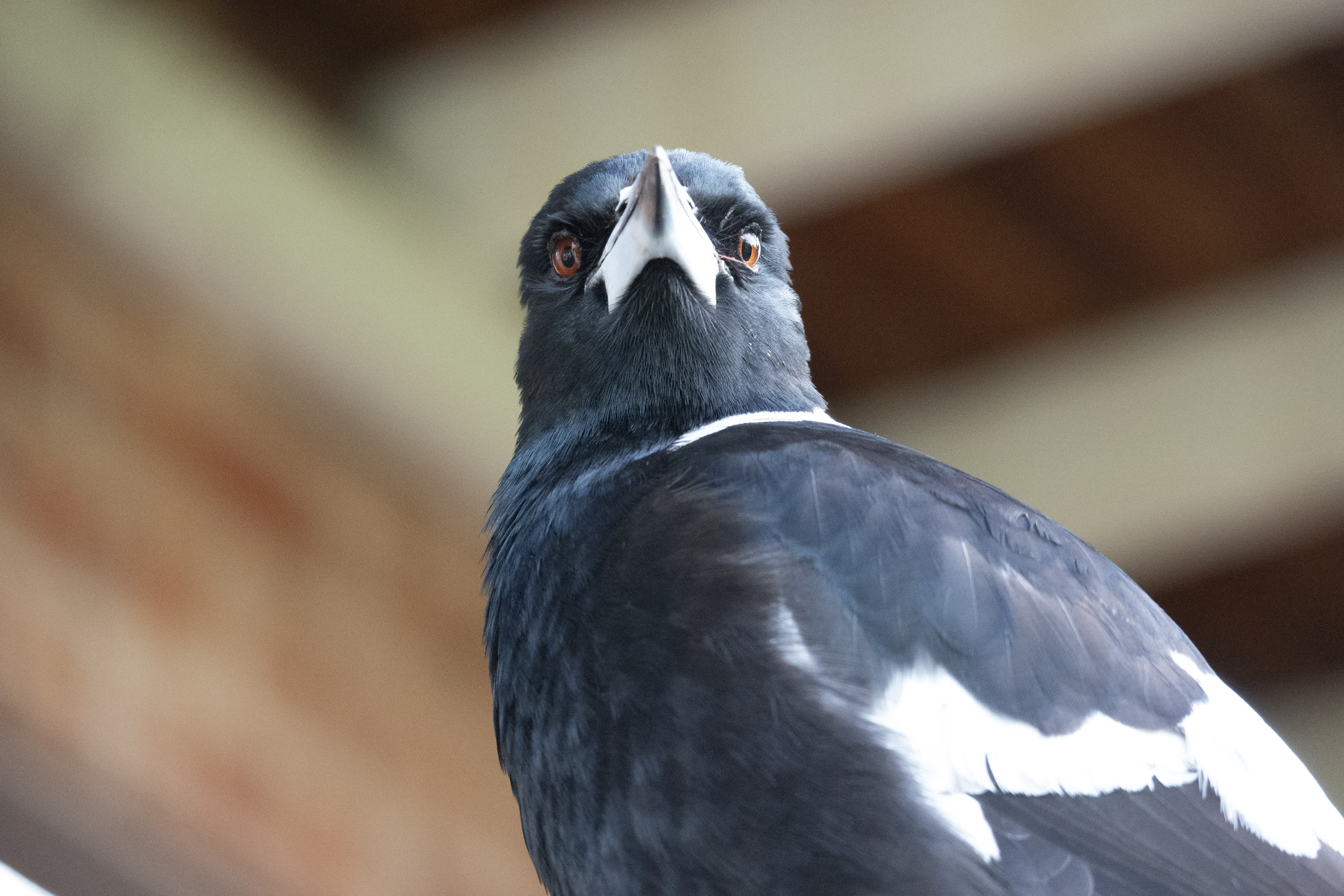
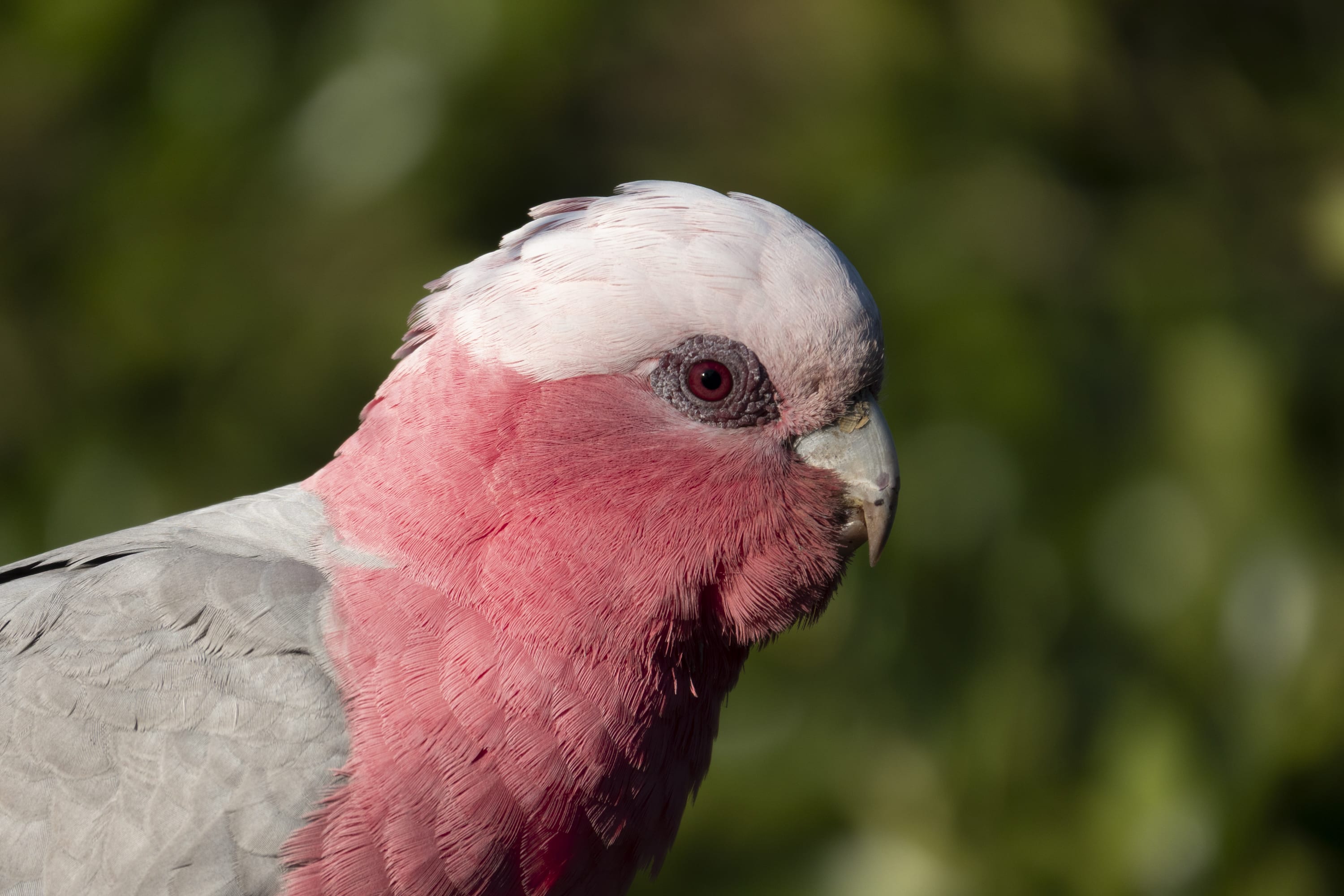
In recent years, I’ve developed a keener interest in birds. Whether it’s an age thing, slowing down and looking around more, or simply appreciating what was always there, I decided I wanted to take better bird photos. They didn’t have to be exotic. Magpies, cockatoos, parrots, sparrows – it didn’t matter.
Unfortunately, attempts with various zoom lenses over the years failed to deliver the reach or sharpness needed to produce those ‘wow’ images, and the idea gradually faded. That was until recently.
I’d known about hybrid bridge cameras that offered impressive zoom ranges, but they seemed to lack other qualities I’d become accustomed to with full-frame cameras, particularly image quality.
That changed in recent months when I started seeing YouTube videos about Sony’s new RX10V bridge camera, launched nine years after the previous RX10 IV.
Early, lukewarm reviews focused on the fact that the V retained the same Zeiss 24-600mm f/2.4-4 lens and 1-inch stacked sensor as its predecessor, while losing the pop-up flash.
Other reviews, however, highlighted how the RX10V’s new AI processor and autofocus system, with 575 phase-detection AF points drawing on Sony’s high-end full-frame cameras, made it a different beast. The image quality also looked impressive, with sharp results and rich colours. Add 30 frames per second shooting, and capturing great action shots seemed a real possibility.
The feature that sold me, though, was the incredible zoom range. The lens has an actual focal length of 9-210mm, which delivers a 35mm-equivalent range of 24-600mm. The reach this camera provides in the field has to be experienced to be believed.

Biting the bullet
After watching videos and reading online reviews for a couple of months before its release in mid-August, I eventually bought the first one off the shelf at Ted’s Cameras in Canberra.
The $3,499 price was eye-watering for a bridge camera with a 1-inch sensor, but I shot some backyard bird photos that same day, and the results suggested it might have been worth it.
Capturing birds in flight will undoubtedly take practice, but that’s a challenge I’m looking forward to.
It’s now been just over a month since the RX10V arrived, and I’ve used it every day since. That’s not something I can say about other cameras I’ve owned, or still own. I’m definitely excited about photography again.


The build
The RX10V also offers dust and moisture resistance, and feels more like a high-end model from Sony’s full-frame Alpha range. The grip is comfortable and well-shaped, providing good balance when zoomed out to 600mm, where the shift in weight becomes noticeable. Button and dial placement is also well considered.
There are a few changes from the RX10 IV, including the removal of the top LCD information screen and built-in flash, although a hot shoe remains for attaching an external flash. The battery has also been upgraded to the NP-FZ100, which provides power for up to 630 shots. A separate charger isn’t included, but the camera offers USB-C and micro-USB ports, along with HDMI and a headphone jack.
The rear controls and displays are well suited to everyday use. As someone who wears multifocals, I particularly appreciate the bright 3.68-million-dot electronic viewfinder and its 120fps refresh rate, which make tracking subjects and reviewing images a pleasure.
The 3-inch, 1.62-million-dot rear LCD is also crisp and easy to see in bright conditions, a welcome change from some other cameras I’ve owned. Its main limitation is that it only tilts upwards rather than fully articulating, which would be useful in some situations.
Professional shooters may also baulk at the single UHS-II SDXC card slot, although they’re probably not the camera’s primary audience.
Finally, Sony’s Creators’ App makes it easy to transfer images to a smartphone or operate the camera remotely. Initial setup was a little frustrating, but once connected, the app worked seamlessly. My only problem now is finding enough space on my phone for the hundreds of images I’ve already downloaded!
The nuts and bolts
Pixel peepers will no doubt wonder how Sony justifies the RX10V’s $3,499 asking price when, for a few hundred dollars more, you can buy a full-frame body such as the A7 V. It’s a fair argument, and one I considered carefully.
I own an A7C, which I bought to downsize, and it fitted the bill. I also had a 70-200mm f/4 lens, but it saw little use because of its limited reach and the lack of opportunities to use it. Buying a bigger lens was cost-prohibitive and went against the idea of downsizing.
When the RX10V arrived, my interest in bridge cameras was rekindled. Sure, it’s expensive, but it seemed to cover a lot of bases, and so far, it has.


Image quality
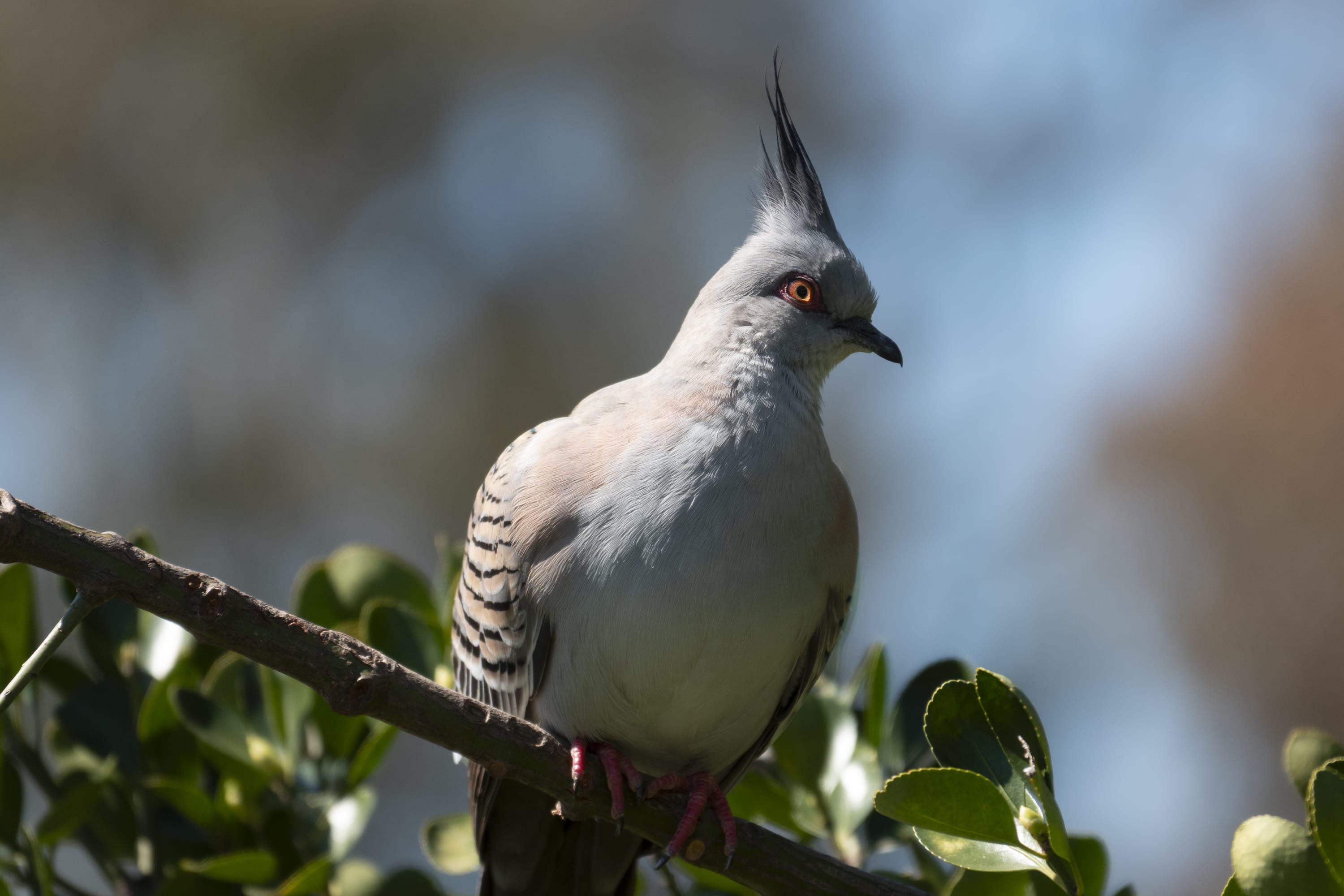
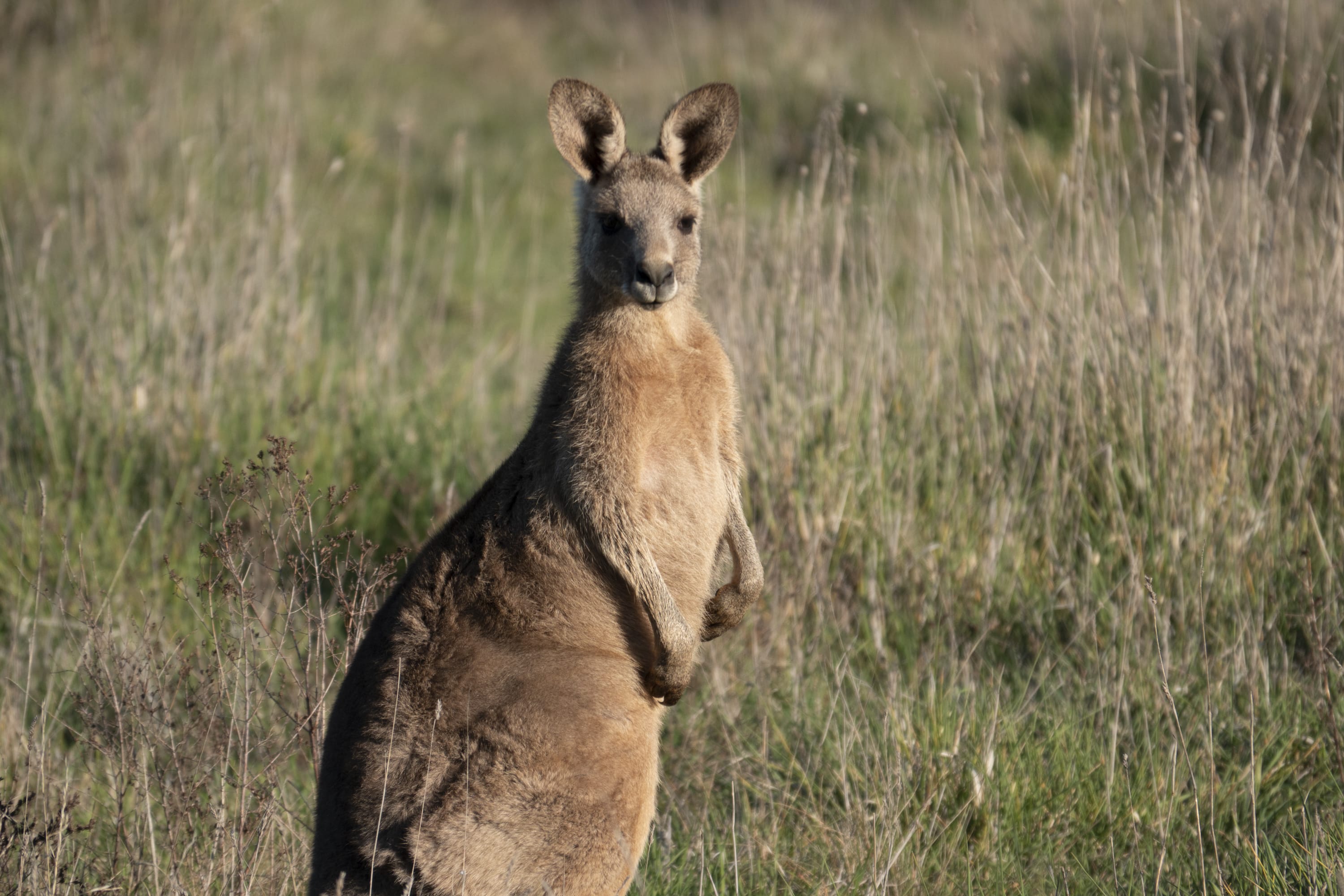
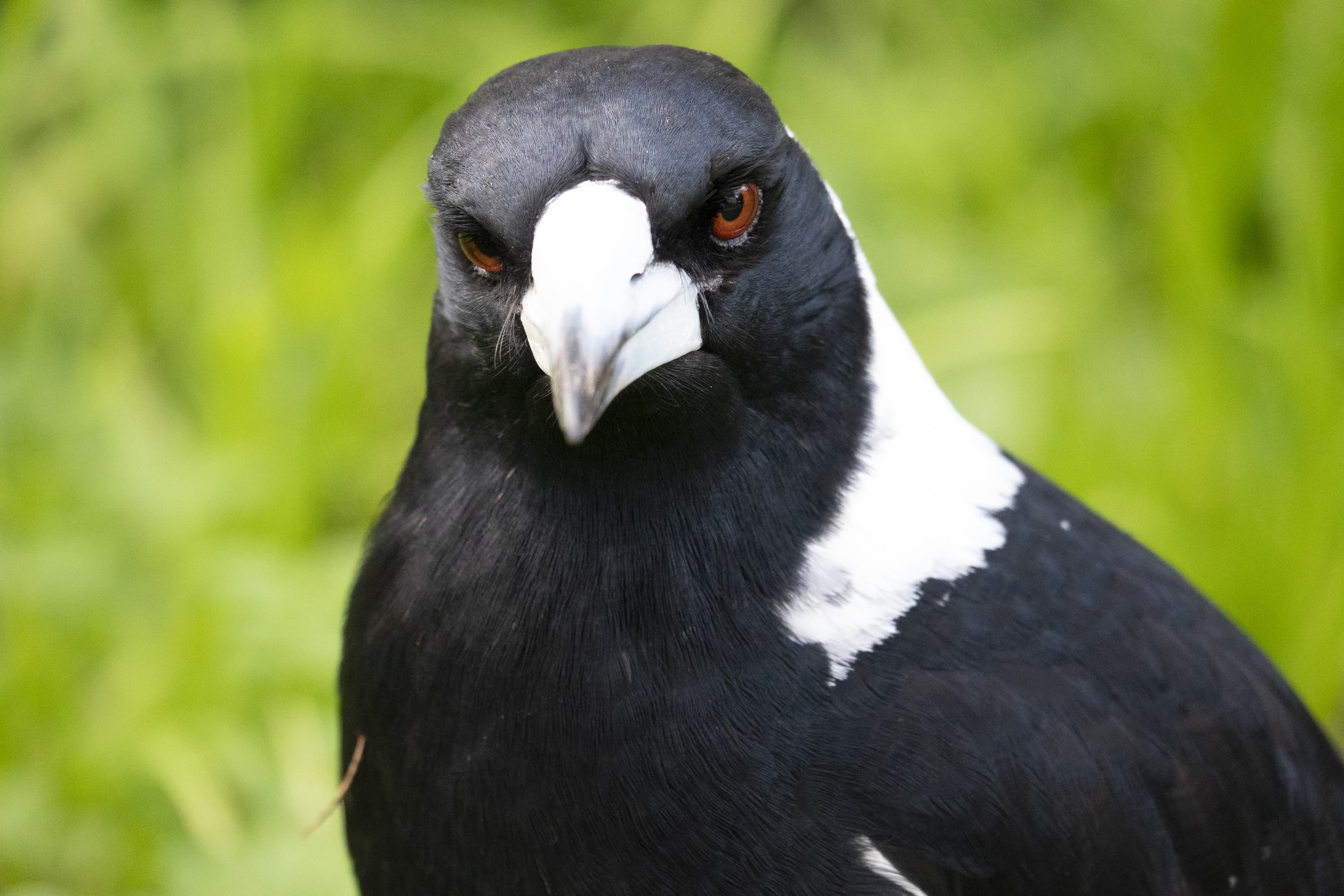
The RX10V may have a relatively small 20.1-megapixel stacked Exmor RS CMOS sensor, but Sony’s BIONZ XR image processor helps it produce impressive results.
I’ve been pleasantly surprised by the images it has produced so far, and I’m confident the proportion of keepers will increase as I become more familiar with the camera.
The advanced autofocus system, with real-time subject recognition for birds, animals and people, works impressively. Setting the camera up for back-button focusing has also helped improve my results.
While I’m yet to make the most of the 30fps burst shooting available via the electronic shutter, it’s reassuring to know it’s there. I know a spot where eagles dive to snatch fish from a lake, and I’m keen to put it to the test when the opportunity arises.
For me, the relatively small sensor hasn’t been a major drawback. It helps make the camera’s remarkable focal range possible, while contributing to a lightweight but impressively solid body.
Video is another area where the RX10V offers plenty, even if I don’t expect to use it often. It can shoot uncropped 4K at 60p, cropped 4K at 120p and Full HD at up to 240p, with S-Log3 also available.
The wrap-up
When I first became interested in a camera like the RX10V, I was excited by the prospect of bringing distant subjects, particularly birds and other wildlife, within reach and capturing sharp images. I also wanted a camera I could grab and take out the door without having to think about carrying extra lenses.
Ultimately, I wanted something I’d use more often, across a variety of situations, and a camera that would encourage me to shoot more and have fun doing it.
So far, it has achieved those goals and then some.
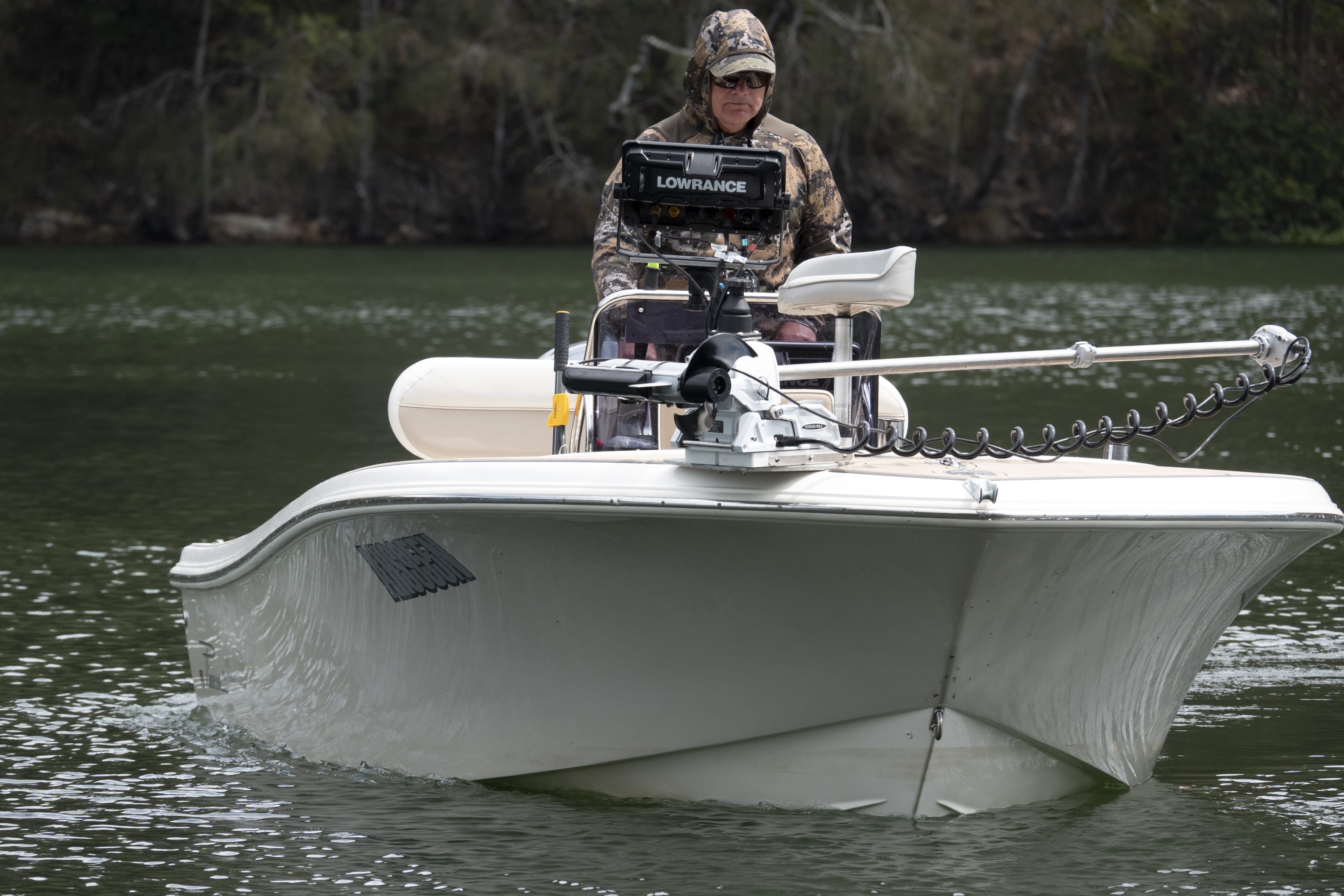
I’ve just returned from a couple of days fishing and boating on the south coast, where the RX10V handled a variety of subjects and demonstrated its versatility.
For birds and wildlife, travel, sport and outdoor photography, the ability to cover such a broad range of focal lengths without carrying a collection of lenses makes the RX10V a compelling option.
Is it an all-in-one? It isn’t perfect, but I don’t think any camera is. For me, the RX10V is definitely the right camera for right now.
Results
More images