Review: Thypoch Voyager 24-50mm f/2.8 lens
The Thypoch Voyager 24-50mm f/2.8 is an interesting proposition. Rather than chasing an enormous zoom range, it focuses on a shorter focal length and a fast aperture, while being relatively affordable for a fast zoom as US$649, which converts to roughly AU$1,000-1,050 depending on the exchange rate.
As Thypoch's first autofocus zoom, it's also an interesting statement of intent from a company that's built its reputation on 'old-school' looking manual focus primes.
Build quality
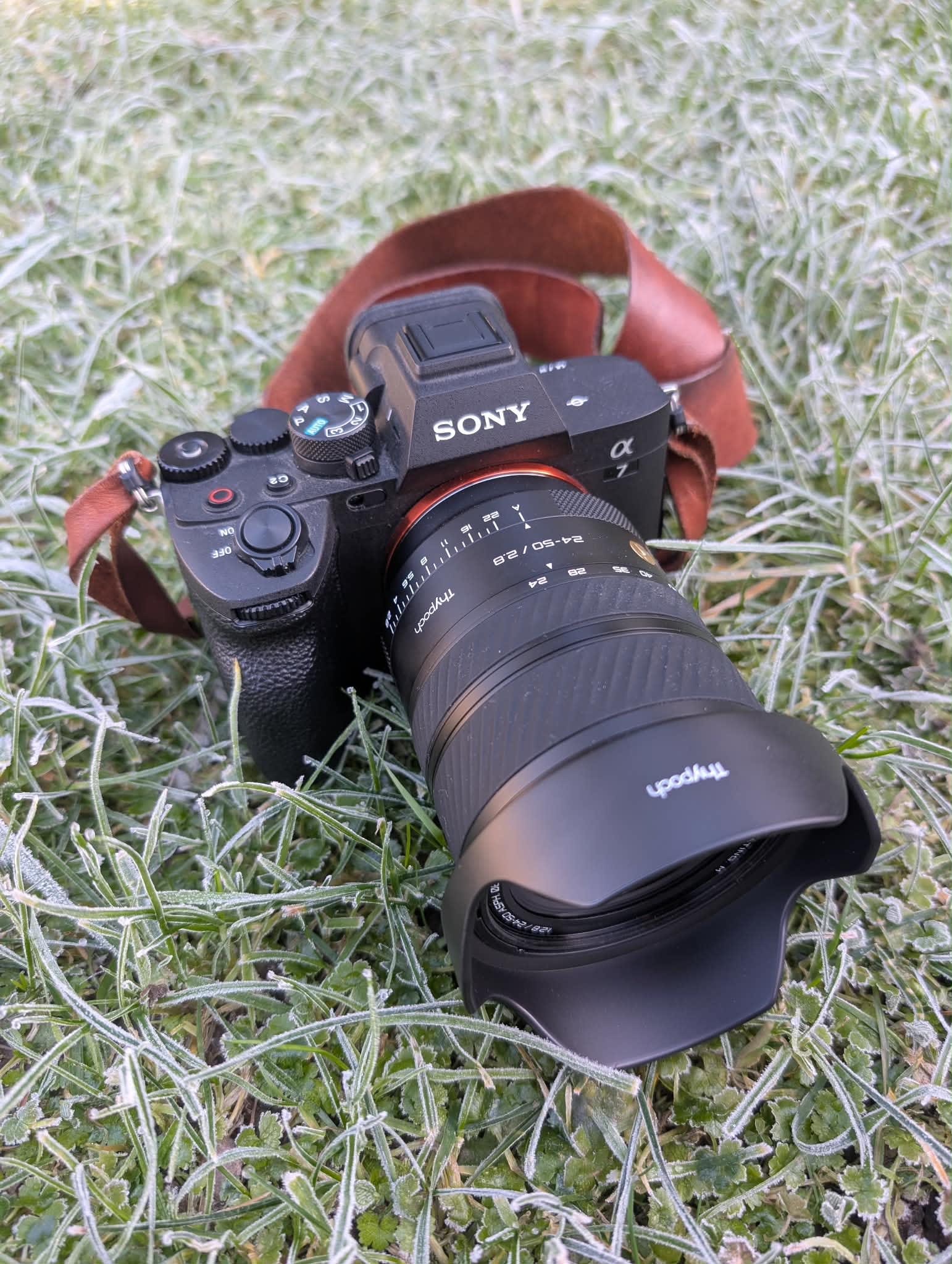
The first thing you notice is just how compact the 24-50mm f/2.8 is, especially when compared to the more common 24-70mm focal length. Mounted on my Sony A7 IV, it feels well balanced, and with the included lens hood reversed fits into a small camera bag easily.
At just over 430g, it's noticeably easier to live with than a traditional 24-70mm f/2.8, and because the lens uses an internal zoom design, its length never changes as you zoom, which is a nice touch.
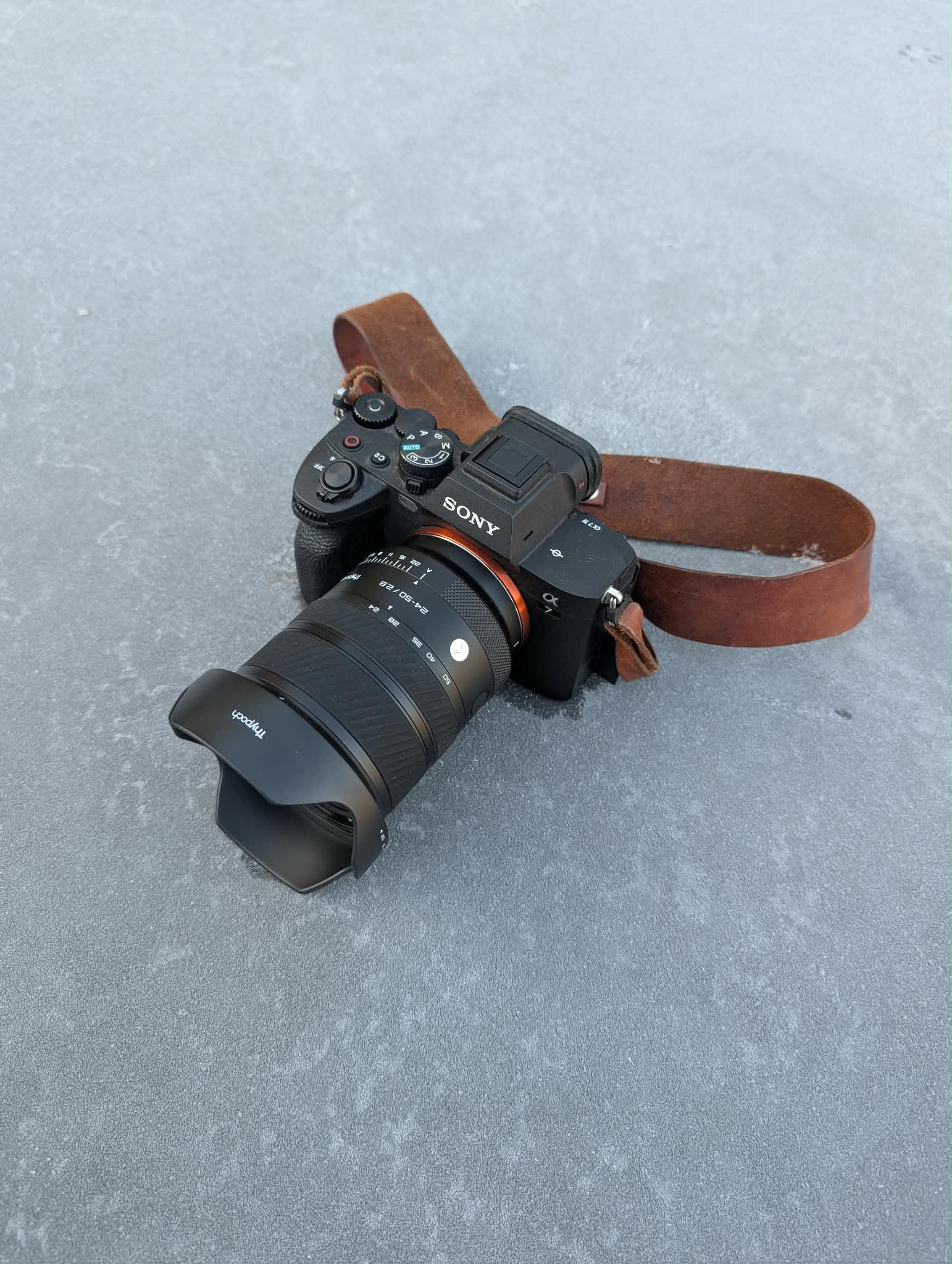
Build quality is also good. While it's not an all-metal lens like some of Thypoch's manual offerings, it still feels solid in the hand.
The aperture ring is especially welcome, and the ability to de-click it instantly makes the lens equally at home shooting stills or video. The zoom ring carries just enough resistance to feel deliberate without becoming stiff, while the focus ring is smooth and pretty nicely damped.


Autofocus
Autofocus is generally very good. It's quick enough for street photography, travel and day-to-day shooting, and kept up well during my testing, although I did find it hunted a little in low light at the extreme ends of the focal length when photographing ice skaters at the rink near my place.
Of course it's not quite at Sony G Master levels of speed or confidence, particularly in more demanding situations, but for the vast majority of photographers it's more than capable.
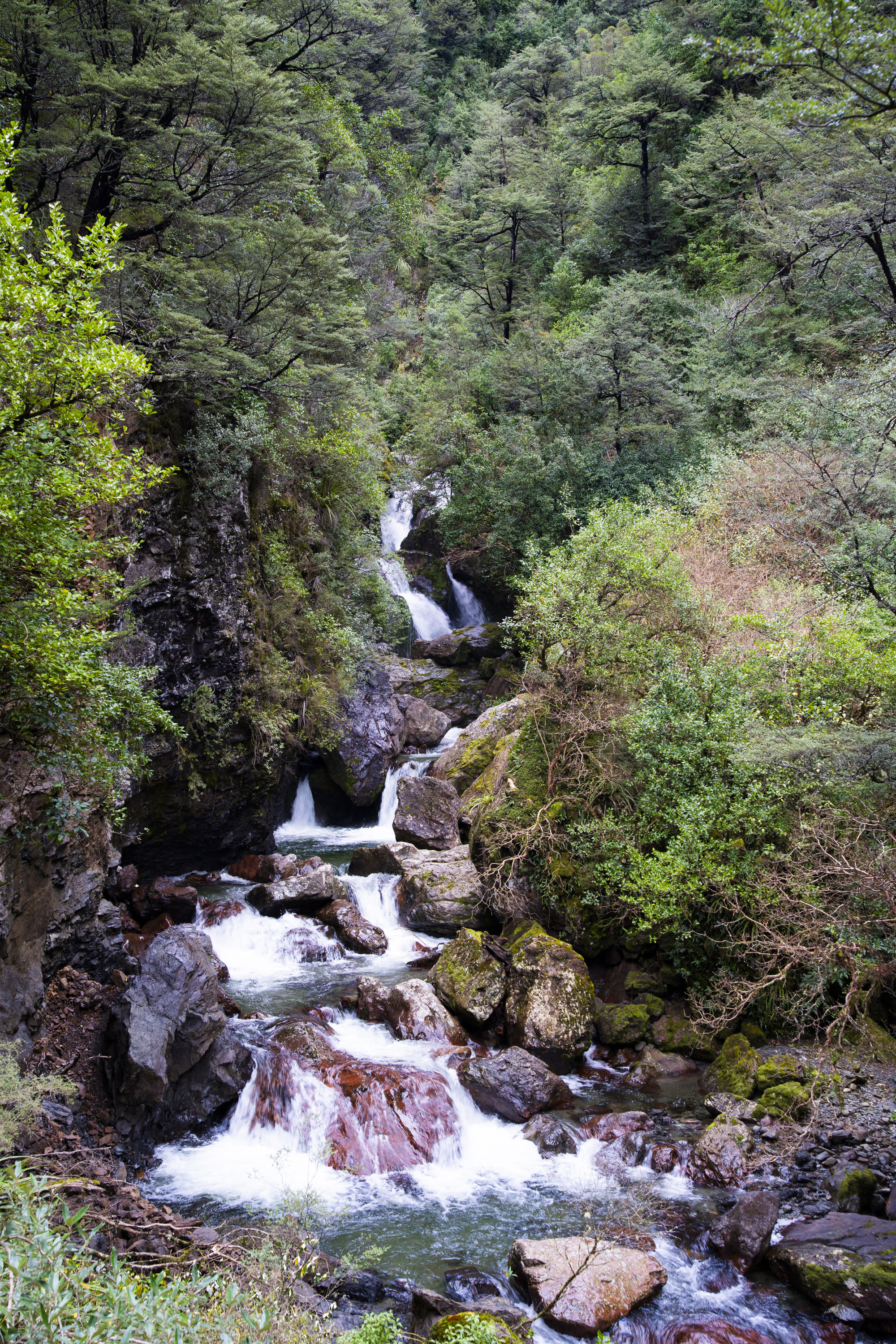


Image quality
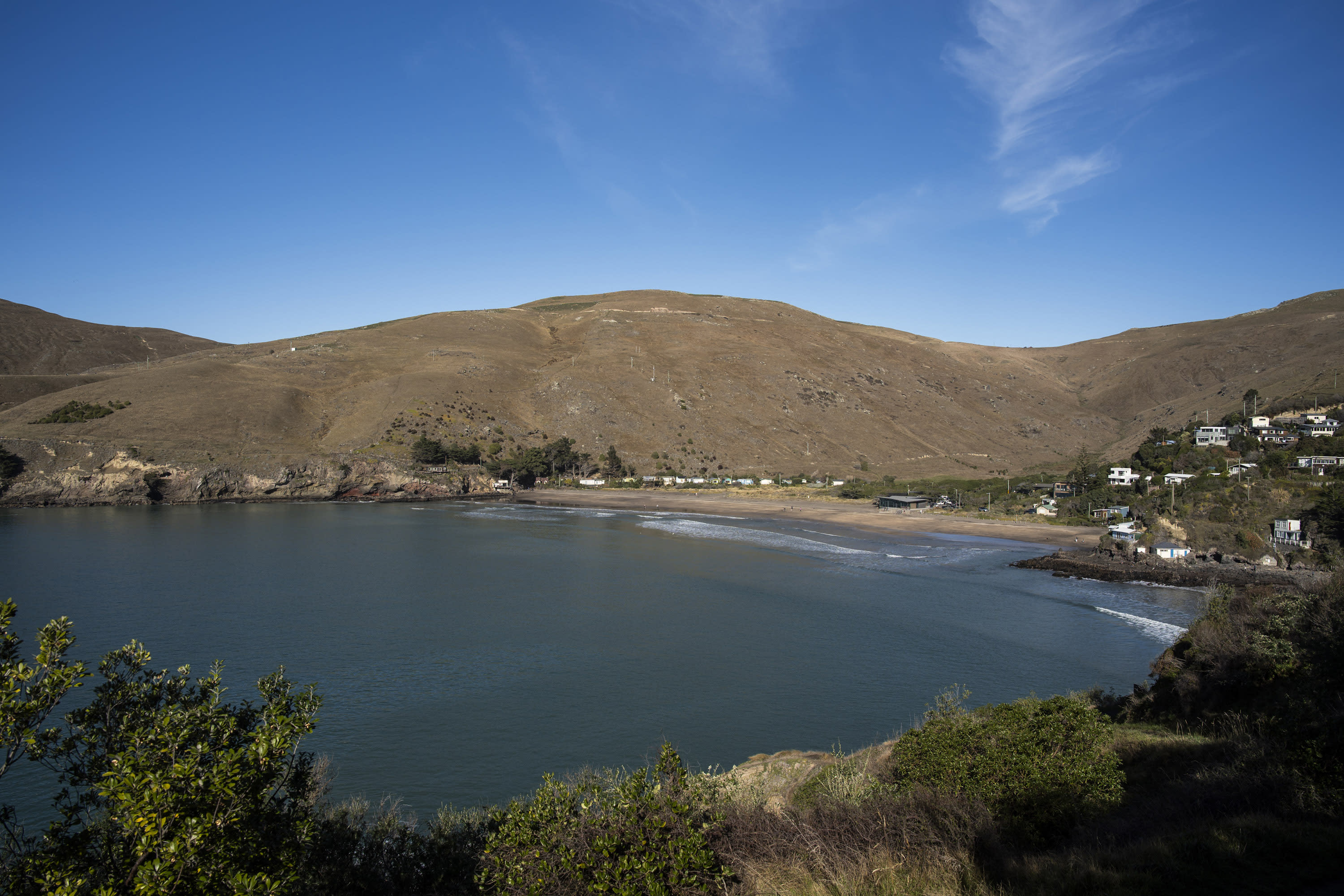
Optically, there's plenty to like here. Centre sharpness is excellent through most of the range, colours have good punch and contrast, and the lens produces generally pleasing, natural-looking files. Corner sharpness isn't class-leading, particularly towards 50mm, but for landscapes stopped down a little or everyday photography it's rarely something you'd lose sleep over.
The real question is whether 24-50mm is enough.
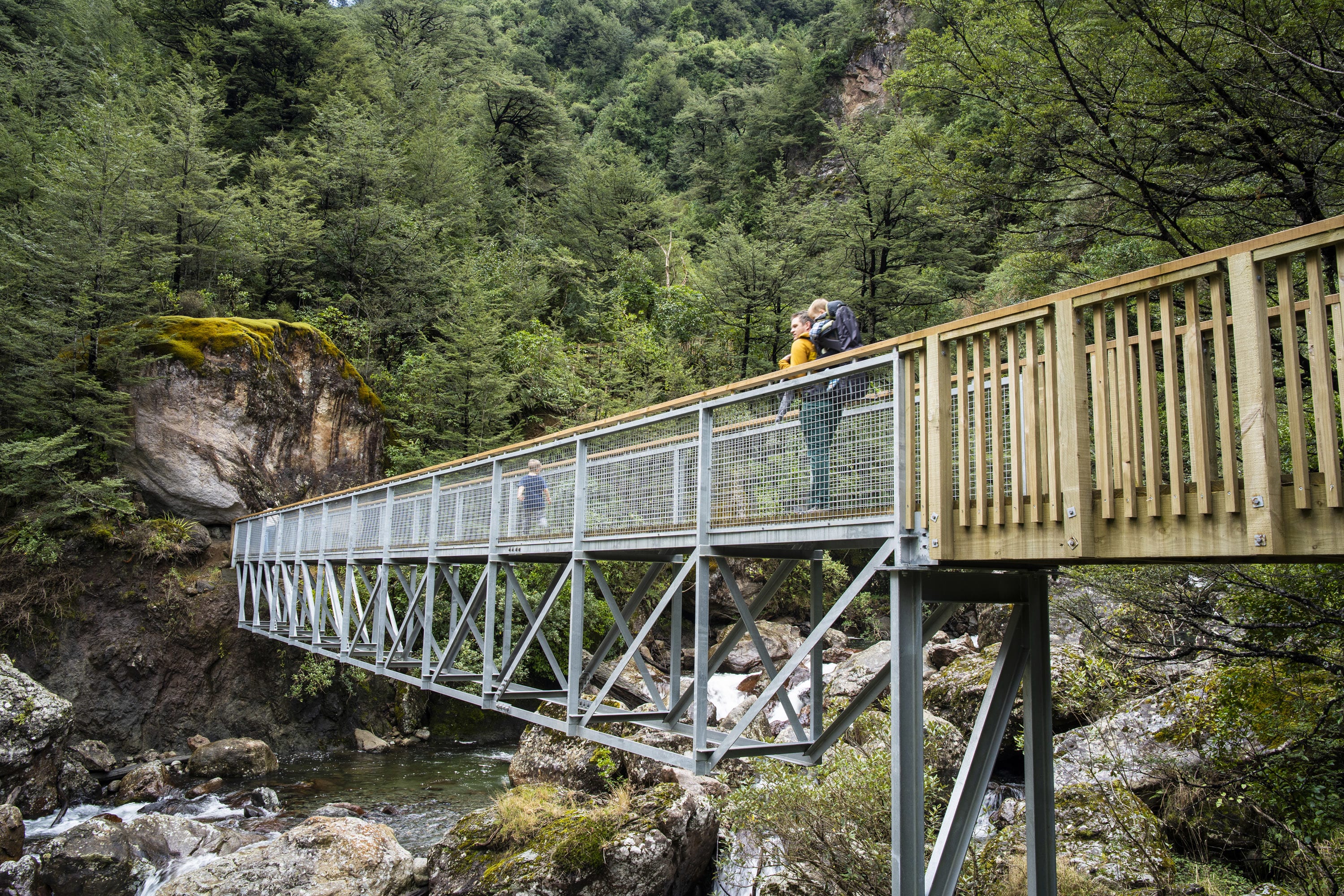
That's less a criticism of the lens than the format itself. During travel, family outings and general walkaround photography, the range works surprisingly well. You spend most of your time between 24mm, 35mm and 50mm anyway, and having those focal lengths in one compact package is genuinely liberating.
But there were also moments where I found myself twisting the zoom ring for another 20mm that wasn't there. Whether photographing details in a landscape, grabbing candid portraits or isolating subjects in busy scenes, I occasionally wished it stretched to 70mm.
I guess that's the compromise you make for keeping the lens this small, and probably one of the reasons why the 24-70mm focal length remains so popular.
The biggest competition naturally comes from Sony's own FE 24-50mm f/2.8 G. Sony's version offers faster autofocus and stronger edge-to-edge optical performance, but it also costs substantially more at around $2,000.
I personally use Sony's 20-70mm f/4 lens, and would probably still pick that over the Thypoch as despite the slower speed, its focal length is a little more versatile for the type of photography I like.
At the same time, if you don't mind a larger lens, alternatives such as the Sigma 28-70mm f/2.8 DG DN Contemporary or Tamron's 28-75mm f/2.8 G2 provide much greater versatility thanks to their extra reach. They're excellent lenses, but at the same time neither feels quite as compact or discreet mounted on a camera.
In many ways, the Voyager carves out its own niche. It's for photographers who prioritise size, weight and simplicity over maximum flexibility.



The wrap-up
The Thypoch Voyager 24-50mm f/2.8 won't replace a 24-70mm for everyone, but what I do appreciate is that it brings a fast aperture into a zoom lens for a relatively affordable price.
It also offers a lightweight, thoughtfully designed alternative that encourages you to carry your camera more often. The compact dimensions, de-clickable aperture ring, pleasing handling and dependable autofocus make it an enjoyable lens to use day to day.
Yes, you'll occasionally wish for a little more reach. But if travelling light is high on your priority list, that's a compromise many photographers are likely to accept.
For Sony shooters looking for a premium-feeling everyday zoom without paying Sony G prices, the Voyager makes a compelling case. It may not be the obvious choice, but it's certainly one of the more interesting lenses to arrive for E-mount this year.
Results
Handling ★★★★
Features ★★★★
Focusing ★★★
Image Quality ★★★
Value For Money ★★★ 1/2
More images