OM SYSTEM at 90: A legacy of bold engineering
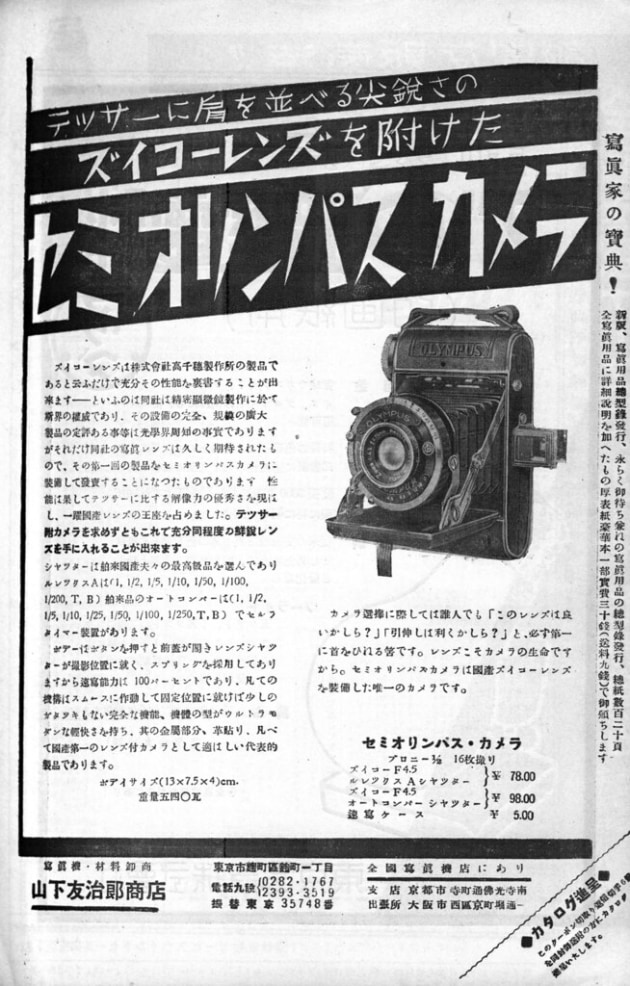
In 1936, a Japanese optical company primarily known for microscopes released its first camera – the medium-format Semi-Olympus I.
Fitted with their own Zuiko lens, it was a practical and capable 4.5×6cm folding camera that embraced the global trend for 'pocketable' cameras – assuming, of course, you had fairly large pockets – which most people did.
Since those early days, Olympus – the heritage brand name behind today's OM System – went on to engineer a series ofpopular cameras that cemented their reputation for intelligent, compact design.
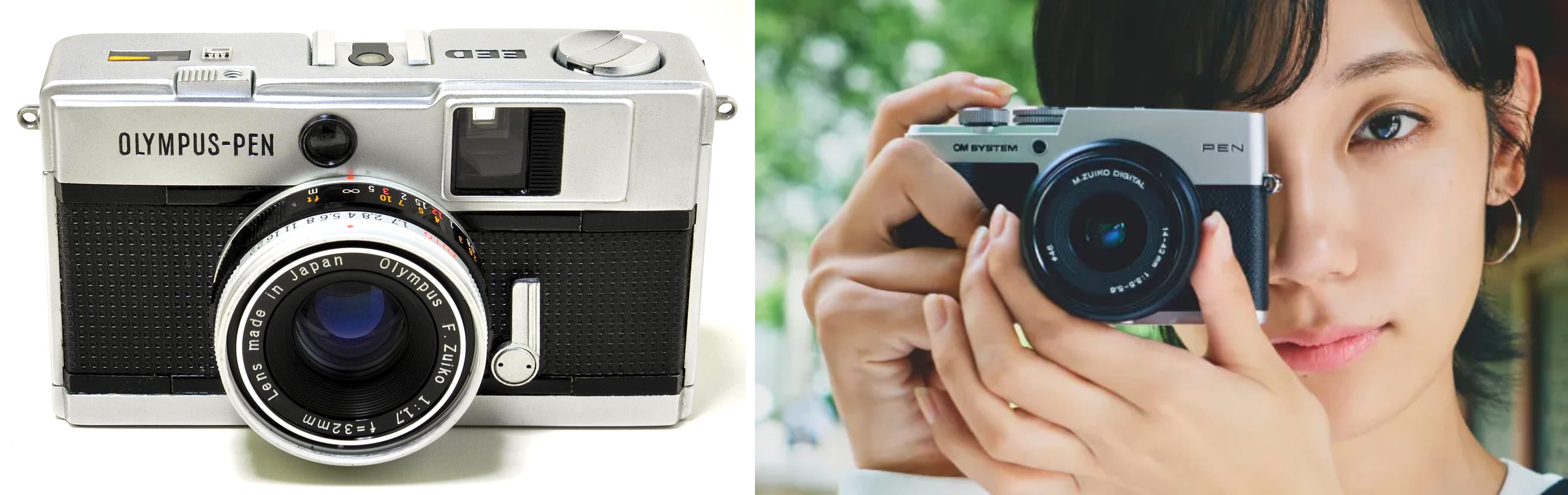
The first major paradigm shift was the 1959 PEN camera. Launched as a super-portable half-frame camera, it ingeniously squeezed 72 images from a standard 36-exposure 35mm film, making everyday photography accessible, portable and affordable.
By 1972, the OM-1 arrived as the brand's first professional-grade manual exposure SLR.
While competitors like Nikon and Canon were pushing large, modular systems that weighed well over 840g, the OM-1 tipped the scales at a mere 500g. It proved that a rugged, professional tool didn't need to weigh you down.
Building on that success, the OM-2 launched in 1975, bringing aperture-priority automatic exposure to the same compact chassis. It introduced an industry first: off-the-film (OTF) direct metering that even calculated flash exposure in real time during the shot.

For astrophotographers and night-time cityscape shooters, the OM-2 became a popular tool. Its OTF system could automatically hold the shutter open for up to 120 seconds (or even longer), remaining the gold standard for long-exposure work for years.
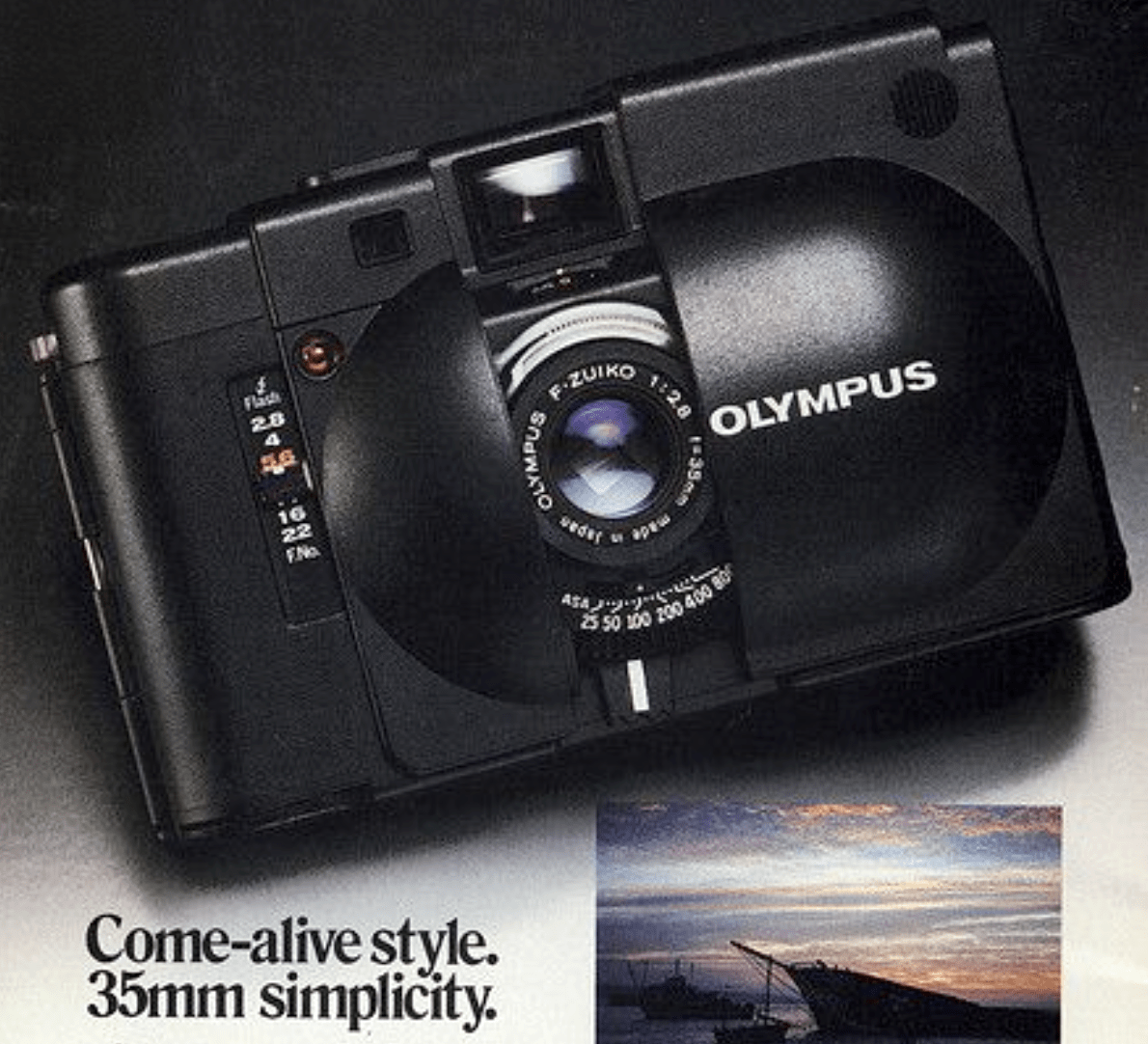
Then, in 1979, while well-heeled photojournalists were buying up expensive Leica systems, Olympus produced a pocketable camera called the XA.
Weighing just 225g, it was a true 35mm rangefinder featuring aperture priority and a sharp 35mm f/2.8 glass lens. It was – and still is – one of the smallest rangefinder cameras ever made, literally fitting into a top shirt pocket.
These also remain highly desirable film cameras, typically selling for $200–$500 on the second-hand market. Just be sure to seek out the original 'XA' – not the XA1 or XA3. Those later variations are fully automatic and lack the manual controls of the more 'professional' original.
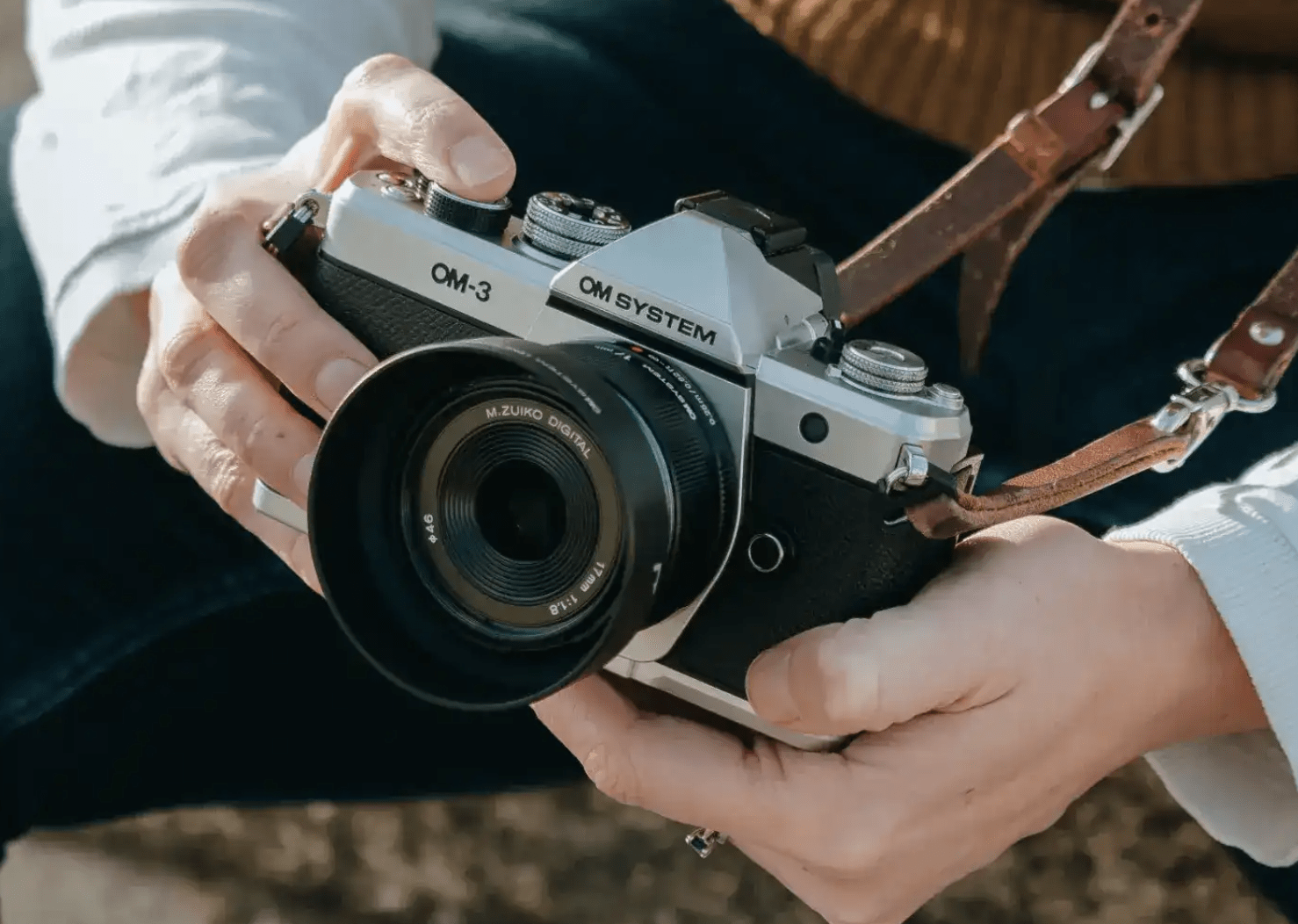
Fast forward ninety years. The badge on the modern camera's viewfinder may read OM SYSTEM after a rebrand in 2021, but the underlying engineering philosophy has remained consistent: reliable optical quality built into a system designed to be carried anywhere.
When the industry shifted to digital, the company maintained its focus on portability. Rather than competing solely on sensor size, it committed to purpose-designed optics with its Four Thirds and Micro Four Thirds systems.
Micro Four Thirds has its trade-offs, particularly when it comes to sensor size, but its combination of compact bodies, relatively small lenses and image stabilisation continues to offer an alternative to larger camera systems, reflecting the company's long-standing design philosophy.
For photographers who spend long days travelling, hiking or working outdoors, that balance can be just as important as resolution.
The digital PEN and OM-D lineups offered features suited to photographers working in the field, including compact bodies, five-axis image stabilisation and weather sealing.
When we spoke to cycling photographer Beardy McBeard in 2025, he highlighted the compactness and reliability of OM System cameras as key advantages for him when working in the field.
Under the OM System brand, computational photography has become an increasingly important part of the company's approach.
Features such as Live ND, handheld High-Res Shot and AI subject tracking extend the capabilities of its cameras, offering options for long exposures, high-resolution images and tracking moving subjects.
Ninety years after a folding medium format camera started the journey, OM System occupies a distinct space in the photographic market.
While sensor resolution will always be a talking point, out on the street or in the landscape, the practical reality of the craft remains unchanged: the best camera is the one you actually have with you.
You can see the Olympus / OM System product history here.
Or find out more about the current range of OM System cameras here.